
Why Spring Is Peak Tick Season — And Why I’m Obsessed With Prevention
I’ll be honest with you: I didn’t take tick prevention seriously until my Brittany Spaniel, Rosie, got Lyme disease in 2019. Two weeks of antibiotics, $800 in vet bills, and watching her limp around the house cured me of any “it won’t happen to my dog” thinking forever.
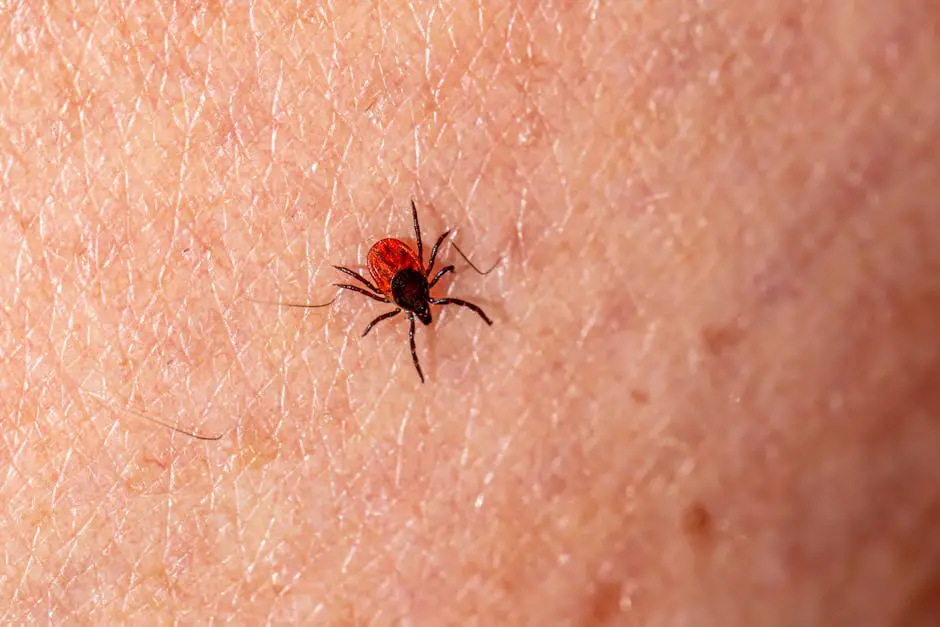
Here’s what nobody told me back then: tick populations have exploded over the past decade. Warmer winters mean these little bloodsuckers survive year-round in places they never used to. The CDC now estimates that tick-borne disease cases have more than doubled since 2004. And Lyme is just the headline act — Ehrlichiosis, Anaplasmosis, Rocky Mountain Spotted Fever, they’re all transmitted by different tick species that are expanding their territories northward every single year.
The good news? Prevention actually works. The confusing part? There are now so many options that picking the right one feels like choosing a phone plan. Oral chewables, topical spot-ons, long-lasting collars — each has genuine advantages and real drawbacks depending on your dog, your lifestyle, and your budget. I’ve tried nearly all of them across three dogs over the past six years. Let me save you some trial and error.
The Three Prevention Categories: A Quick Breakdown
Before we get into specific products, you need to understand what you’re actually choosing between. Every tick prevention method falls into one of three buckets:
Oral chewables are prescription medications your dog eats like a treat. They work systemically — the active ingredient circulates in your dog’s bloodstream, killing ticks (and usually fleas) when they bite. Most last 1-3 months per dose.
Topical treatments are liquids you apply directly to your dog’s skin, usually between the shoulder blades. The medication spreads across the skin’s oil layer and kills parasites on contact. Some also repel ticks before they bite. Available over-the-counter or by prescription.
Tick collars use slow-release technology to distribute active ingredients across your dog’s coat over months. The Seresto collar dominates this category — it’s really the only one worth discussing in detail.
| Type | Duration | Prescription? | Swimming OK? | Starts Working |
|---|---|---|---|---|
| Oral | 1-3 months | Yes | Yes | 2-4 hours |
| Topical | 1 month | Some OTC | Usually not | 24-48 hours |
| Collar | 8 months | No | Varies | 24-48 hours |
Best Oral Tick Prevention Medications
I’m putting oral medications first because, honestly, they’ve become my default recommendation for most dogs. No greasy residue, no waiting for your dog to dry before you can cuddle them, no worrying about the medication washing off during a swim.
Bravecto: The “Set It and Forget It” Option
Bravecto changed the game when it launched. One beef-flavored chew protects against ticks and fleas for 12 full weeks. That’s just four doses per year instead of twelve.
My current dog, a 60-pound Lab mix named Walter, has been on Bravecto for three years now. I buy the three-pack from Chewy for around $150, which works out to roughly $12.50/month. Not the cheapest option, but I never miss a dose because I only have to remember four times a year.
The 12-week duration uses fluralaner, which kills American dog ticks, black-legged ticks, and brown dog ticks. It also handles lone star ticks for 8 weeks. Works within 2 hours for fleas, 12 hours for ticks.
Who it’s for: Anyone who struggles to remember monthly doses. Camping families. People who want the simplest possible routine.
The catch: Some dogs experience vomiting or diarrhea after the first dose. Walter had a bout of the runs his first time — fine ever since. Also, the FDA added a warning in 2018 about potential neurological effects (seizures, tremors, ataxia) in some dogs. Reports are rare, but worth discussing with your vet if your dog has a seizure history.

Simparica Trio: Three-in-One Coverage
Simparica Trio bundles tick/flea prevention with heartworm protection and intestinal parasite control into one monthly chew. If you’re already giving a separate heartworm preventative, switching to Simparica Trio can actually save money.
A 6-month supply for a medium-sized dog runs about $120-140 at most vets. That sounds steep until you realize you’re replacing both your tick and heartworm medications.
Uses sarolaner for ticks/fleas plus moxidectin and pyrantel for heartworm and intestinal parasites. Works fast — kills fleas within 4 hours, ticks within 8.
Who it’s for: Dogs who need heartworm prevention anyway. People who hate managing multiple medications. Folks in heartworm-heavy regions (basically the entire South and Midwest).
The catch: Monthly dosing means more chances to forget. Also, the combination approach means if your dog reacts poorly, you’ve lost three medications at once instead of just one.
Credelio Quattro: The Kitchen Sink Approach
This is the newest and broadest-spectrum oral option. Credelio Quattro tackles fleas, ticks, heartworm, roundworms, hookworms, AND tapeworms. That last one matters — most combination products don’t touch tapeworms.
Pricing is similar to Simparica Trio, around $20-25/month for medium dogs. It’s a small, pork-flavored tablet rather than a chewy treat, which some picky dogs prefer.
Who it’s for: Dogs who’ve had tapeworm issues. Multi-pet households where parasites spread easily. Anyone who wants absolute maximum coverage.
The catch: Being newest to market means less long-term data. Also, some dogs just won’t eat tablets — they can smell the medication.
NexGard: The Established Monthly Standard
NexGard has been around since 2013 and remains hugely popular. It’s a soft, beef-flavored chew that most dogs gobble up like a treat. Walter thinks his is a reward, not medicine.
Costs around $20-22/month at most vets, with discounts available for 6-12 month supplies. Only covers fleas and ticks (no heartworm), so you’ll need a separate preventative.
Who it’s for: Dogs who are extremely picky eaters — NexGard’s palatability is genuinely impressive. People who prefer proven, long-term safety data.
The catch: Monthly dosing. Doesn’t include heartworm. Slightly higher per-month cost if you’re also buying separate heartworm meds.
Quick note on all oral medications: they require a prescription, which means a vet visit. Most vets will prescribe after an exam and heartworm test. Online pharmacies like Chewy and 1800PetMeds can fill the prescription at lower prices than most vet offices.
Best Topical Tick Treatments
Topicals were the gold standard before oral chewables took over. They’re still a solid choice — especially if your dog won’t take pills or if you want something available without a prescription.
K9 Advantix II: The Repellent Option
Here’s something unique about K9 Advantix II: it actually repels ticks before they bite. Most other products kill parasites after they’ve attached. Advantix keeps them from getting on your dog in the first place.
This matters more than you’d think. Ticks can transmit disease within 24-48 hours of attachment. A product that stops attachment entirely — not just kills after — gives you extra protection.
It’s also water-resistant after 24 hours, which is more than you can say for most topicals. A 6-month supply for large dogs costs around $70-80 at pet stores.
The critical warning: K9 Advantix II is TOXIC TO CATS. The permethrin in it can kill cats through contact. If you have cats in your house, skip this one entirely. Not worth the risk.
Frontline Plus: The Reliable Workhorse
Frontline has been around since 1996. Your vet probably used it on dogs when you were in middle school. It works. It’s boring. It’s fine.
Fipronil and (S)-methoprene kill fleas, ticks, and chewing lice. Waterproof after 24 hours. Available everywhere — Walmart, Target, Amazon, pet stores. Six months runs $60-90 depending on dog size.
Who it’s for: People who trust long track records. Dogs who can’t do oral medications. Budget-conscious owners who still want reliable protection.
The catch: Doesn’t repel — only kills after attachment. Some anecdotal reports of reduced efficacy in certain regions, possibly due to resistance developing. Also, you really do need to wait 24-48 hours before bathing or swimming.
TevraPet FirstAct Plus: The Budget Pick
I’ll level with you — generic fipronil products work. TevraPet FirstAct Plus uses the same active ingredients as Frontline Plus at literally half the price. Around $35-40 for a 6-month supply.
The formula is essentially identical. It’s like buying store-brand ibuprofen instead of Advil.
The catch: Less research on this specific formulation. No repellent properties. Same drying time restrictions as any topical.
The universal topical annoyance: You’ve got 24-48 hours where your dog feels greasy, you can’t pet them normally, and they absolutely cannot swim or get bathed. With a Lab who loves puddles? This is a significant lifestyle constraint.
Best Tick Prevention Collar: Seresto Dominates
I’m not going to pretend there’s a meaningful comparison here. The Seresto collar is the only tick collar worth buying. Everything else is either less effective, shorter-lasting, or both.
How Seresto Works
The collar uses polymer matrix technology to slowly release imidacloprid and flumethrin over 8 months. These ingredients spread through your dog’s natural skin oils, creating a protective layer across their entire body.
It’s odorless (unlike older flea collars that smelled like a chemistry experiment) and water-resistant. Swimming and bathing are fine — just avoid prolonged submersion more than once a month.
A single collar costs $55-70 depending on size. That’s about $7-9/month for 8 months of protection. On a pure cost basis, it’s competitive with monthly topicals and cheaper than most oral medications.
The Fit Matters Enormously
This is where Seresto gets tricky. The collar needs to fit snugly — you should only be able to slip two fingers underneath. Too loose and it won’t make proper skin contact. Too tight and… well, that’s obviously bad.
For giant breeds (Great Danes, Mastiffs, Saint Bernards), the large collar is already sized at the upper limit. Some owners report inconsistent coverage on the hindquarters of very big dogs because the active ingredients can’t spread that far from the neck.
Small dogs have the opposite issue: the collar must be trimmed to fit, and the reflective safety band only works with a certain minimum length.
Safety Considerations
I need to mention this: the EPA received over 75,000 incident reports related to Seresto collars between 2012 and 2026, including some deaths. Consumer groups have called for recalls.
But context matters. With an estimated 34 million collars sold, that incident rate is around 0.2%. Many reports describe minor skin irritation that resolved when the collar was removed. Serious reactions appear rare.
My take? Seresto works well for most dogs. But I’d never use it on a dog with a history of skin sensitivities, and I’d watch closely for any scratching or hair loss around the neck during the first week. If you see ANY signs of a reaction, remove it immediately.
Who Seresto is for: Low-maintenance owners. Dogs who won’t take pills. Budget-conscious people who want set-and-forget protection.
Who should skip it: Dogs with sensitive skin. Very large breeds where coverage may be inconsistent. Anyone uncomfortable with the incident reports.
Breed-Specific Considerations
Not every dog is the same, and prevention methods that work perfectly for one breed can be problematic for another.
Long-Haired Breeds
If you’ve ever tried to part the fur on a Shih Tzu or Pomeranian to apply a topical treatment, you know the struggle. The medication needs to reach the skin, not just coat the fur. On double-coated breeds like Huskies or Collies, this can feel nearly impossible.
Oral medications are genuinely easier here. No worrying about whether you got the placement right.
Swimming and Active Dogs
My Lab mix hits the water every chance he gets. Topicals just aren’t practical — I’d need to time applications around his swim schedule and pray for no unexpected puddles.
Oral medications are waterproof from the inside out. Bravecto or Simparica Trio and you’re done. No restrictions.
Small Breeds
Toy and small breeds face dosing concerns with some products. Always buy the correct weight range — never split a larger dose. The concentration differences between size categories matter.
With Seresto collars, make sure to cut off excess length properly and check the fit regularly as your dog grows.
The MDR1 Gene Issue
This is critical for Collie-type breeds. Collies, Shelties, Australian Shepherds, and their mixes often carry a genetic mutation (MDR1) that makes them hypersensitive to certain drugs, including some parasiticides.
Ivermectin (found in some heartworm preventatives) is the biggest concern, but reactions to other ingredients occur too. Your vet can recommend a DNA test, or you can order one from Washington State University’s veterinary genetics lab for about $70.
If your dog has MDR1, your vet will guide you toward safe options. Don’t try to figure this out yourself.
Pet Insurance and Tick Prevention Costs
Here’s something frustrating: standard pet insurance doesn’t cover preventative medications. Your base policy covers accidents and illnesses, not the stuff that prevents them.
But many insurers now offer wellness add-ons (sometimes called “preventative care riders”) that do cover flea and tick meds.
| Company | Wellness Option | Flea/Tick Coverage | Annual Cost |
|---|---|---|---|
| Embrace | Wellness Rewards | Up to $650/year | ~$25-35/month |
| Pumpkin | Preventive Essentials | Up to $200/year | ~$15/month |
| MetLife | Wellness Care | Varies | ~$10-20/month |
| Spot | Preventive Care | Up to $450/year | ~$10-25/month |
Average annual spending on tick prevention runs about $150-400 depending on your dog’s size and which product you choose. If your wellness plan covers $200+ annually and costs $15/month ($180/year), you’re basically breaking even while also getting coverage for vaccines, dental cleanings, and other preventive care.
Worth it? Depends on how much other preventive care your dog needs. For puppies and senior dogs who see the vet frequently, wellness plans often pay for themselves. For healthy adults, the math is closer.
How to Choose: My Decision Framework
After six years of testing products across three dogs, here’s how I’d think through this decision:
Start with lifestyle. Does your dog swim regularly? Oral meds, no question. Is your dog terrible at taking pills? Seresto collar or topical. Do you travel to high-risk tick areas? Consider the repellent properties of K9 Advantix II.
Factor in other medications. Already giving monthly heartworm prevention? Simparica Trio or Credelio Quattro bundles everything together. Using flea prevention separately? Maybe stick with that system rather than switching everything.
Consider your memory. I know myself — I’ll forget monthly doses. Bravecto’s 12-week schedule or Seresto’s 8-month duration are better fits for my brain.
Do the actual math. For a 50-pound dog over one year:
- Bravecto: ~$150
- Simparica Trio: ~$180 (but includes heartworm)
- NexGard + Heartgard: ~$300
- K9 Advantix II: ~$140
- Seresto collar: ~$70
Talk to your vet. Tick pressure varies enormously by geography. Your vet knows which species are active in your area and which products work best against them. A 15-minute conversation can save you months of trial and error.
FAQ
Can I use multiple prevention methods at once?
Generally, no. Don’t layer an oral medication with a topical without explicit vet guidance. Doubling up increases the risk of adverse reactions without adding meaningful protection. The exception: some vets recommend a Seresto collar plus oral medication for dogs in extremely high-tick environments, but get specific guidance first.
When should I start tick prevention?
Year-round is the current recommendation in most of the US. Ticks can be active any time temperatures are above 40°F. In the Northeast and Midwest, April through November is high season, but I’ve pulled ticks off Walter in January during warm spells.
Are “natural” tick preventatives effective?
I’ve tried essential oil sprays, brewer’s yeast supplements, and garlic additives. None worked. My dogs still got ticks. Save your money and use something proven.
What if my dog has a reaction?
For topicals and collars, remove immediately and bathe with dish soap to strip the oils. For oral medications, call your vet — you can’t un-give a pill, but they can advise on monitoring and whether treatment is needed. Always report reactions to the manufacturer and FDA.
Do I still need to check for ticks?
Yes. No prevention is 100% effective. Run your hands over your dog after walks, especially around the ears, between toes, under the collar, and in the groin area. Catching a tick before it attaches beats relying entirely on medication.
Can puppies use these products?
Most tick preventatives have minimum age requirements — typically 8 weeks for topicals, 8-12 weeks for orals, and 7 weeks for Seresto. Weight minimums also apply. Check the specific product labeling and consult your vet.
Final Recommendations
After everything I’ve tried and researched, here’s where I land:
Best overall value: Seresto collar. Eight months of protection for under $70 is hard to beat if your dog tolerates it well.
Best for swimming dogs: Bravecto or Simparica Trio. Oral medications don’t care about water.
Best all-in-one: Simparica Trio if you need heartworm prevention anyway. One chew, one monthly routine, done.
Best budget topical: TevraPet FirstAct Plus. Same active ingredients as Frontline at half the price.
Best repellent option: K9 Advantix II — but only if you have zero cats in your household.
Whatever you choose, start now. Don’t wait until you’re pulling engorged ticks off your dog in May. Prevention is cheaper, easier, and infinitely less stressful than treating Lyme disease. Trust me on this one.
Featured Image Source: Pexels