

Why Your Dog Needs Tick Prevention (And What Happens If You Skip It)
My Golden Retriever Jake tested positive for Lyme disease three years ago. We caught it early—just some joint stiffness and lethargy—but the two weeks of antibiotics, the follow-up bloodwork, and the genuine terror of watching him decline? That cost me about $800 and a lot of sleepless nights. The prevention I’d been “saving money” by skipping would’ve run me roughly $25 a month.
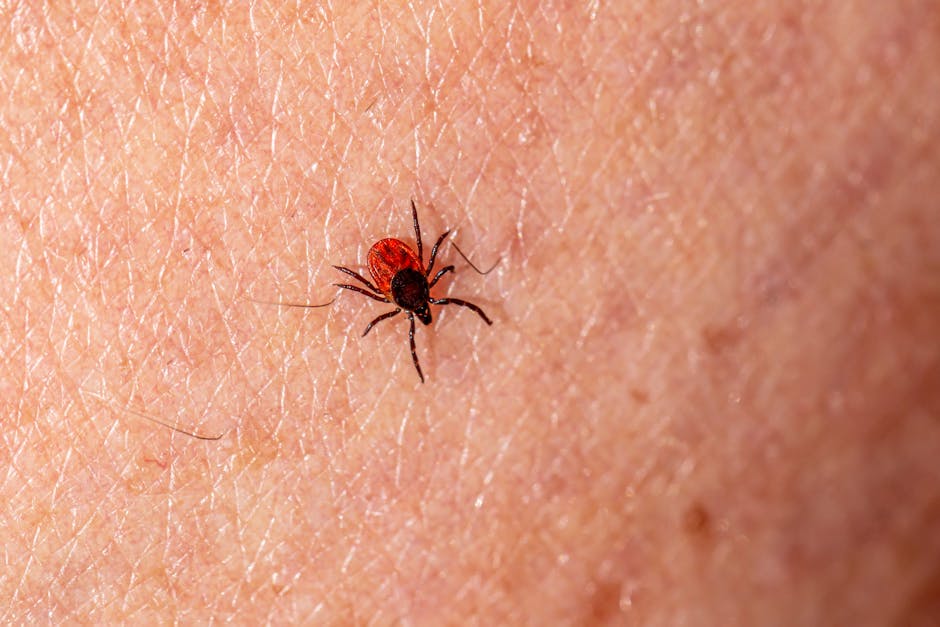
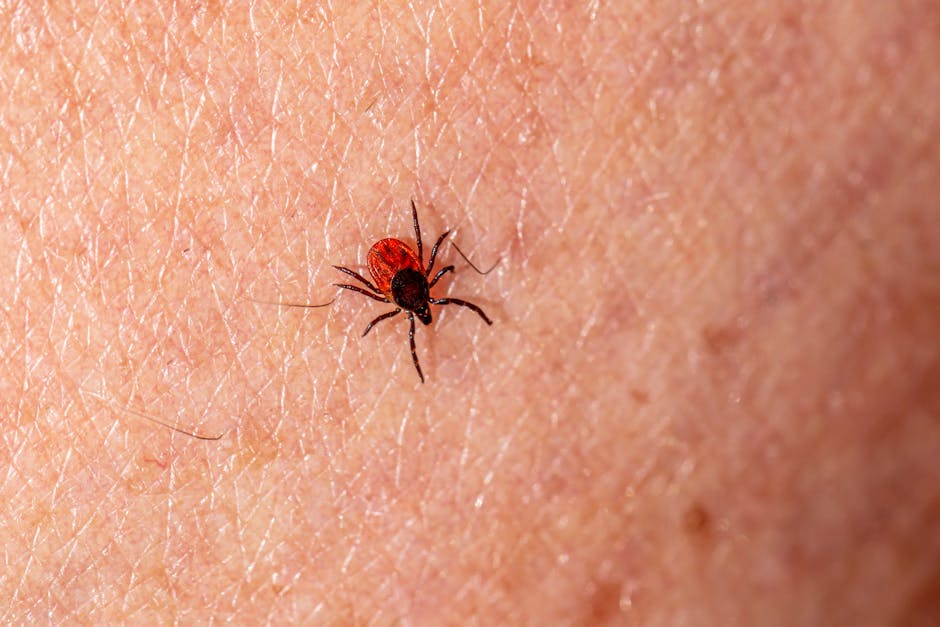
Ticks aren’t just gross. They’re disease vectors carrying Lyme disease, Rocky Mountain spotted fever, ehrlichiosis, anaplasmosis—stuff that can wreck a dog’s kidneys or joints permanently. The Companion Animal Parasite Council’s 2026 forecasts show tick-borne diseases pushing into new territory: eastern Ohio, Kentucky, Tennessee, Virginia, North Carolina. Climate change has stretched tick season longer, and in some regions up to 50% of dogs are exposed to disease-carrying ticks.
What keeps me up at night is co-infection. Dogs can pick up multiple tick-borne diseases from a single tick season—sometimes from a single tick. A dog infected with both Lyme and anaplasmosis is nearly twice as likely to develop clinical symptoms than one carrying either alone. If you’re on the fence about prevention, talk to your vet about what’s circulating in your zip code. The answer will probably convince you faster than anything I can write here.
Understanding Your Three Main Options
Before we get into specific products, you need to understand how each category actually works. This matters more than you’d think.
Oral Preventatives
These are flavored chewables your dog eats monthly (or every 12 weeks for Bravecto). The active ingredients—usually isoxazolines like afoxolaner or sarolaner—enter your dog’s bloodstream. When a tick bites, it ingests the medication and dies.
The catch: Ticks still have to bite your dog. The medication kills them after attachment, usually within hours. For most dogs, this works perfectly well. But it means the tick does make contact with your dog’s skin.
The upside: Nothing on your dog’s coat. No residue on furniture. No risk to cats or kids who might pet your dog. If you’ve got a household with small children crawling around, oral preventatives are probably your safest bet.
Topical Treatments
These are the liquid you squeeze between your dog’s shoulder blades. The medication spreads across the skin’s surface through natural oils. Products like K9 Advantix II actually repel ticks before they attach—they call it the “hot foot” effect where ticks become agitated, can’t latch on, and fall off to die.
The trade-off is messiness. You’ve got residue on your dog for 24-48 hours after application, and if you have cats, you need to be extremely careful—permethrin (found in K9 Advantix II) is highly toxic to felines. Your cat could get poisoned just by grooming a recently-treated dog. But that repellent action is genuinely useful if your dog spends time in heavily wooded areas. Fewer tick bites means fewer chances for disease transmission, full stop.
Flea and Tick Collars
These release active ingredients slowly over months—the Seresto collar works for 8 months straight. The medication spreads through your dog’s coat continuously.
| Pros | Cons | |
|---|---|---|
| Convenience | One collar, 8 months of protection | Needs direct skin contact to work |
| Cost | Works out to ~$7-9/month | Some dogs get skin irritation at the collar site |
| Maintenance | Basically zero | Seresto has had controversy (more on that below) |
For people who struggle to remember monthly doses, collars solve that problem completely. I switched my older dog to a collar after I realized I’d missed two months of his chewable without noticing.
Best Oral Tick Preventatives Compared
Simparica Trio: The One I Actually Use
If I had to pick one product for most dogs, this would be it—and it is what Jake’s been on since his Lyme scare. Simparica Trio handles fleas, ticks, heartworm, roundworms, and hookworms in a single monthly chew. One pill, done.
It starts killing fleas within 4 hours, which is faster than most competitors. The active ingredients are sarolaner, moxidectin, and pyrantel, covering 6 tick species plus heartworm and intestinal worms. You’re looking at roughly $23-28 per month depending on your dog’s size, and your dog needs to be at least 8 weeks old and 2.8 lbs.
The reason I keep coming back to it: why give three separate medications when one handles everything? Jake was on a heartworm preventative plus a separate flea/tick product before, and consolidating into Simparica Trio was simpler and actually cheaper.
It’s prescription-only, so you need a vet visit regardless. And like all isoxazolines, there’s a small seizure risk—I’ll cover that in detail later. But for the average healthy adult dog, this is what I recommend first.
Note on purchasing: Simparica Trio requires a prescription. You won’t find it on Amazon. Order through your vet or Chewy Pharmacy with a valid prescription.
NexGard Plus and Credelio Quattro: Two Solid Alternatives
I’m grouping these because they occupy similar territory—monthly all-in-one chewables competing directly with Simparica Trio.
NexGard Plus built its reputation on being the first FDA-approved oral flea and tick chew, and the Plus version adds heartworm and intestinal parasite coverage. Active ingredients are afoxolaner, moxidectin, and pyrantel. It runs $25-30/month for most dogs, covers 5 tick species, and your dog needs to be 8 weeks old and 4+ lbs.
One thing I’ve noticed—some picky eaters reject it more than other chews. My friend’s Frenchie would spit it out repeatedly until they started wrapping it in cheese. If your dog is particular about flavored chews, ask your vet for a sample before committing to a full course.
Credelio Quattro is the newer option that doesn’t get enough attention. It combines four active ingredients (lotilaner, moxidectin, praziquantel, pyrantel) and covers tapeworms on top of everything else—something neither Simparica Trio nor NexGard Plus handles. It’s also approved for puppies as young as 8 weeks at just 3.3 pounds. I haven’t used this one personally, so I can’t speak to palatability, but the spec sheet is impressive. Pricing is similar to Simparica Trio.
Both are prescription-only. Order through your vet or an online pet pharmacy—not Amazon.
Bravecto: For People Who Hate Monthly Dosing
Bravecto’s entire pitch is one chew every 12 weeks. Three months of coverage from a single dose. If you’re the kind of person who sets a monthly reminder and still forgets (no judgment, I’ve been there), this removes most of the human error.
It also starts killing fleas within 2 hours—fastest in this roundup.
- Active ingredient: Fluralaner
- Coverage: Fleas, 5 tick species
- Cost: $45-55 per dose (12 weeks of coverage, so roughly $15-18/month)
- Minimum age: 6 months
The big gap: no heartworm coverage. You’ll need a separate preventative for that, which partially defeats the convenience advantage. And that 6-month minimum age means puppies are out of luck. For adult dogs in low-heartworm-risk areas who need reliable tick protection with minimal owner involvement, though, Bravecto is hard to beat.
Best Topical Tick Treatments Compared
K9 Advantix II: Best Overall Topical
If topicals are your preference, K9 Advantix II is the one to beat. A study in Parasitology Research found it achieved 84-98% efficacy against brown dog ticks, compared to 56% (and sometimes negative efficacy) for Frontline Plus in repellency tests. That’s not a close race.
The repellent action is the key difference. Ticks don’t just die on your dog—they’re actively driven away before biting. For dogs who hike, camp, or live near wooded areas, that extra layer matters.
- Active ingredients: Imidacloprid, permethrin, pyriproxyfen
- Coverage: Fleas, 4 tick species, mosquitoes, biting flies, lice
- Monthly cost: $15-20
- Minimum age: 7 weeks, 4+ lbs
- Waterproof: Yes (after 24 hours)
Do not use this if you have cats. I can’t stress this enough. Permethrin is extremely toxic to felines. If you have a cat that cuddles or grooms your dog, your cat could die from secondary exposure. This isn’t a maybe—it’s well documented. Cat owners, skip to Frontline Plus below.
Frontline Plus vs. the Budget Generics
Frontline Plus has been around forever. It works. It’s safe around cats. It’s just not as effective at repelling ticks before they bite—it kills them after attachment, similar to how oral preventatives work.
I’ve used Frontline on and off for years. Handles fleas brilliantly. For tick-heavy environments, though, I’d pick K9 Advantix II or switch to an oral preventative entirely.
Here’s where it gets interesting: TevraPet FirstAct Plus and PetArmor Plus contain the exact same active ingredients as Frontline Plus (fipronil and S-methoprene) at roughly half the price. FirstAct Plus runs $8-12/month, PetArmor $10-15. Dogster rated FirstAct their “best for the money” topical.
| Frontline Plus | FirstAct Plus | PetArmor Plus | |
|---|---|---|---|
| Active ingredients | Fipronil, (S)-methoprene | Fipronil, (S)-methoprene | Fipronil, (S)-methoprene |
| Monthly cost | $18-25 | $8-12 | $10-15 |
| Min. age | 8 weeks | 8 weeks | 8 weeks |
| Waterproof | Yes | Yes | Yes |
Should you trust the generics? Honestly, I’m torn. The chemistry is identical, but reviews are all over the place. Some owners swear by FirstAct Plus, others say it flat-out doesn’t work as well despite the same ingredients. Could be application technique, could be batch quality variation, could be placebo working in reverse. If budget is your main concern, they’re worth trying—but buy from a reputable retailer, not a random third-party Amazon seller.
Best Flea and Tick Collars Compared
Seresto Collar: The 8-Month Standard
The Seresto collar dominates this category for good reason. Eight months of continuous flea and tick protection from a single collar works out to roughly $7-8 per month. It’s waterproof, odorless, and sits alongside your dog’s regular collar without getting in the way.
- Active ingredients: Imidacloprid, flumethrin
- Duration: 8 months
- Total cost: $55-70
- Monthly equivalent: ~$7-9
- Minimum age: 7 weeks
I need to address the controversy head-on. Yes, there have been reports of adverse events. The EPA reviewed Seresto and found it effective when used properly. The incident rate according to manufacturer Elanco is about 17 reports per 10,000 collars sold—less than 0.2%. Most involve minor issues like temporary hair loss at the collar site.
But here’s the bigger risk: counterfeit Seresto collars are everywhere online, and those have caused genuinely serious problems. If you’re buying a Seresto for $25 on a marketplace seller, it’s probably fake. Buy from your vet or a verified retailer. I know multiple people who got burned by knockoffs before they realized what was happening—one friend’s dog had a full-blown skin reaction that required steroids to clear up.
If your dog develops skin irritation, excessive scratching, or behavioral changes after putting on a Seresto, remove it immediately and call your vet. Some dogs just don’t tolerate the collar material.
Hartz UltraGuard Pro: I’d Skip This One
At $10-15 for 7 months, Hartz collars are tempting. Some owners report decent results. But I’ll be blunt—I stopped recommending Hartz flea and tick products after too many people told me they just didn’t work. The active ingredients (tetrachlorvinphos and methoprene) are older-generation compounds, and in my experience, you get what you pay for here.
If budget is the concern, I’d rather see someone buy a Seresto collar once than cycle through cheap collars every few months wondering why their dog still has ticks. The math usually works out the same, and you’re not gambling on efficacy.
That said, if someone’s used Hartz and it works for their dog in their area, I’m not going to argue. Tick pressure varies wildly by region. A collar that’s useless in the Connecticut woods might be perfectly adequate in suburban Arizona.