
If you’ve ever watched a French Bulldog try to keep up on a summer walk — tongue out, sides heaving, that worrying wheeze cutting through the air — you already know something isn’t quite right. I’ve been there. My neighbor’s Frenchie, Gus, collapsed on a 75-degree day after ten minutes at the park. Ten minutes. He’s fine now, but it scared the hell out of everyone.
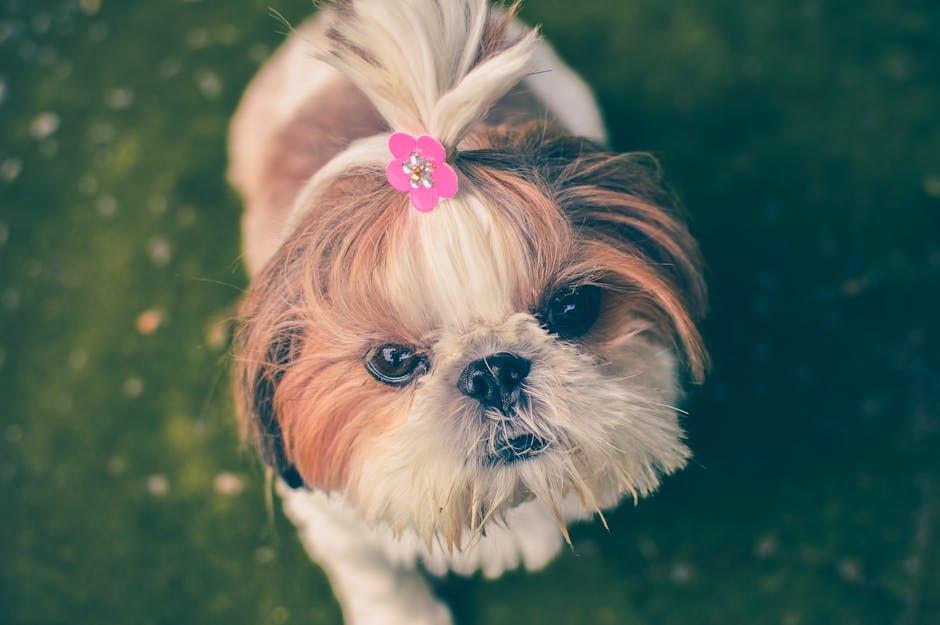
Brachycephalic dog breeds — the flat-faced ones like Pugs, Bulldogs, Boston Terriers, and Shih Tzus — have exploded in popularity over the last decade. And I get it. Those smushed faces are genuinely adorable. But behind that cute factor is a set of health challenges that every potential owner needs to understand before signing an adoption contract or handing over $3,000 to a breeder.
I’m not here to talk you out of getting a brachycephalic breed. I’ve loved every single one I’ve spent time with. But I am going to be straight with you about what you’re signing up for.
What Does “Brachycephalic” Actually Mean?
The word comes from Greek — “brachy” meaning short, “cephalic” meaning head. In practical terms, these dogs have skulls that are wider than they are long. Their faces look pushed in because, well, they kind of are. Selective breeding over hundreds of years shortened the muzzle dramatically, but the soft tissue inside didn’t shrink to match.
That’s the root of almost every health problem these breeds face. You’ve got the same amount of tissue crammed into a much smaller space. Imagine trying to breathe through a coffee straw while someone pinches your nose. That’s closer to daily life for a severely affected brachy dog than most people realize.
Common brachycephalic breeds include:
- French Bulldog
- English Bulldog
- Pug
- Boston Terrier
- Shih Tzu
- Cavalier King Charles Spaniel
- Pekingese
- Boxer
- Brussels Griffon
- Japanese Chin
Not every dog on this list struggles equally. Boxers, for instance, have a much milder degree of brachycephaly than Pugs or English Bulldogs. The severity varies by breed and — this is important — by individual dog and breeding line.
Brachycephalic Obstructive Airway Syndrome (BOAS)
This is the big one. BOAS is an umbrella term for the cluster of airway abnormalities that plague flat-faced breeds, and it affects roughly 50% of French Bulldogs, Pugs, and English Bulldogs to some degree, according to research published in PLOS ONE.
What’s Going Wrong Anatomically
Several things, often all at once:
- Stenotic nares — nostrils that are too narrow, sometimes barely open slits
- Elongated soft palate — the tissue at the back of the throat is too long and partially blocks the airway
- Hypoplastic trachea — a windpipe that’s abnormally narrow for the dog’s size
- Everted laryngeal saccules — small pouches near the voice box get sucked into the airway from the constant struggle to breathe
The snoring, snorting, and reverse sneezing that owners often find “cute”? Those are symptoms. Full stop. A healthy dog doesn’t sound like a chainsaw when it sleeps.
Warning Signs That It’s More Than Just “Normal Brachy Sounds”
- Loud breathing even at rest
- Blue or purple tongue/gums during activity
- Gagging or retching after eating or drinking
- Collapsing or refusing to walk in warm weather
- Sleep apnea — actual pauses in breathing while sleeping
I talked to a Pug owner last year who told me her dog snored so loud it woke the whole house. She thought it was hilarious until her vet explained the dog was essentially suffocating in its sleep. That dog had corrective surgery three weeks later.
Beyond Breathing: Other Health Risks
BOAS gets most of the attention, and rightly so. But brachycephalic breeds face a whole constellation of issues that flat-faced-dog newbies rarely expect.
Eye Problems
Those big, round, expressive eyes? They’re actually protruding from shallow eye sockets. This makes brachycephalic breeds prone to:
- Corneal ulcers from eyes drying out or getting scratched (they can’t blink fully in some cases)
- Proptosis — the eyeball literally popping out of the socket from trauma or even rough play
- Cherry eye — prolapse of the third eyelid gland
My friend’s Boston Terrier needed eye drops twice daily for the last four years of his life. That’s roughly $40/month in medication alone.
Skin Fold Infections
All those adorable wrinkles trap moisture, yeast, and bacteria. English Bulldogs are notorious for this. If you’re not cleaning between facial folds daily — yes, daily — you’re going to end up at the vet with a skin infection that smells awful and looks worse.
Dental Crowding
Same number of teeth crammed into a much shorter jaw equals overlapping, rotated teeth that are magnets for plaque buildup and periodontal disease. Annual dental cleanings aren’t optional for these breeds. Budget $400-$800 per cleaning depending on your area, and that’s without extractions.
Spinal Issues
Bulldogs and Frenchies in particular are prone to hemivertebrae — malformed spinal bones that can press on the spinal cord. Some dogs live with it fine. Others end up paralyzed. It’s a roll of the dice that makes me genuinely angry at breeders who don’t screen for it.
Heat Intolerance
This one kills dogs every summer. Brachycephalic breeds cannot thermoregulate efficiently because panting — a dog’s primary cooling mechanism — depends on airflow over a long nasal passage. These dogs don’t have that. A brachy dog can overheat in conditions that a Labrador would barely notice.
I keep saying this to anyone who’ll listen: if you live somewhere that regularly hits 85°F+ and you don’t have reliable air conditioning, a brachycephalic breed is a dangerous choice.
The Real Cost of Owning a Brachycephalic Breed
Let’s talk money, because this is where people get blindsided.
| Expense | Typical Cost | Notes |
|---|---|---|
| BOAS corrective surgery | $1,500–$5,000 | Soft palate resection, nares widening |
| Annual dental cleaning | $400–$800 | Almost always needed yearly |
| Eye medications/surgery | $200–$2,000+ | Corneal ulcer treatment varies widely |
| Skin fold care products | $20–$50/month | Wipes, antifungal treatments |
| Emergency vet visits | $500–$3,000+ | Heat stroke, breathing crises |
| Pet insurance premium | $80–$150/month | Higher than average due to breed risks |
A Nationwide pet insurance study found that Bulldogs cost 30% more in veterinary care over their lifetime compared to mixed breeds. French Bulldogs weren’t far behind.
I’m not trying to scare you with numbers. But if you’re stretching your budget to afford the puppy, you absolutely cannot afford the dog. That’s just reality.
Choosing a Responsible Breeder (Or Adopting)
If you’ve weighed the risks and still want a brachycephalic breed — and that’s a perfectly valid choice — how you get your dog matters enormously.
Red flags in breeders:
- No health testing documentation for parents
- Extremely flat faces marketed as “exotic” or “rare”
- Dogs with visible breathing distress being bred
- No questions asked about your living situation
- Multiple litters available at once
What good breeders do:
- Screen for BOAS, cardiac issues, spinal problems, and eye conditions
- Breed for more moderate facial structure (slightly longer muzzle)
- Provide health guarantees and take dogs back if you can’t keep them
- Ask YOU as many questions as you ask them
The trend toward “retro Pugs” and more moderate Bulldogs is genuinely encouraging. Some breeders are actively working to give these dogs more functional anatomy without losing the breed’s character. Seek those breeders out. They’re doing the hard, thankless work.
Adoption is also a fantastic option. Breed-specific rescues like the French Bulldog Rescue Network or local Bulldog rescues always have dogs that need homes. You’ll often get a dog whose health issues are already known and managed, which removes some of the guesswork.
Daily Care Tips for Brachycephalic Dogs
Okay, you’ve got your brachy pup. Here’s how to keep them healthy and comfortable.
Temperature Management
- Never exercise in heat above 75°F. Early morning or evening walks only during summer.
- Keep your home air-conditioned. This isn’t a luxury for these dogs — it’s a medical necessity.
- Carry water on every walk. A collapsible bowl and a bottle. Always.
- Watch for heavy panting, drooling, or glazed eyes — get them into shade and cool (not cold) water immediately.
Feeding and Weight
Brachy dogs gain weight fast, and extra pounds make every breathing problem worse. Keep them lean. You should be able to feel ribs with light pressure. If you can’t, cut back portions.
Use a slow-feeder bowl — these dogs eat fast, swallow air, and that leads to vomiting and regurgitation. The $12 I spent on a slow-feeder for my sister’s Frenchie was probably the best money she ever spent on that dog.
Skin and Eye Maintenance
Clean facial folds with a damp cloth or unscented baby wipe every single day. Dry thoroughly afterward — moisture is the enemy. For eyes, keep a vet-recommended eye wash on hand and check daily for redness, squinting, or discharge.
Exercise — But the Right Kind
These aren’t hiking dogs. They aren’t running partners. Short walks, indoor play, puzzle toys, and low-impact games are the way to go. Swimming can be excellent exercise, but many brachy breeds can’t swim safely due to their body shape. Always use a life vest and never leave them unsupervised near water.
Harness Over Collar
Always. A collar puts pressure on the trachea, which is the last thing a brachy dog needs. Get a well-fitted harness — the Ruffwear Front Range is a solid choice, or the Julius-K9 for stockier builds.
When to Talk to Your Vet
Don’t wait for a crisis. If your brachycephalic dog shows any of these, schedule a vet appointment:
- Breathing that’s noticeably louder than it used to be
- Reluctance to exercise or walk
- Frequent vomiting or regurgitation
- New snoring patterns or restless sleep
- Any eye changes — redness, cloudiness, squinting
And here’s something most people don’t know: BOAS surgery has the best outcomes when done early, ideally before age two. If your vet suggests it, don’t put it off thinking it’ll get better on its own. It won’t. The tissue damage gets worse with time as the dog’s airway struggles create secondary problems.
Frequently Asked Questions
Are all brachycephalic dogs unhealthy?
No, and that’s an important distinction. Severity varies hugely between breeds, individual dogs, and breeding lines. A well-bred Boston Terrier from health-tested parents may have zero breathing issues. A poorly bred English Bulldog might need surgery before its first birthday. The breed matters, the breeder matters, and genetics matter. But you should go into ownership with eyes open about the elevated risks.
How long do brachycephalic breeds typically live?
It depends on the breed. French Bulldogs average 10-12 years. Pugs can reach 12-15 with good care. English Bulldogs have one of the shortest lifespans at 8-10 years, often due to the cumulative health burden. Keeping your dog lean, managing airway issues proactively, and staying on top of dental care can genuinely add years.
Is pet insurance worth it for brachycephalic breeds?
Absolutely — but get it early. Most policies won’t cover pre-existing conditions, so you want coverage in place before any diagnosis. Expect to pay more than you would for a mixed breed. I’d specifically look at policies from Healthy Paws, Embrace, or Trupanion that don’t have per-condition caps. A single BOAS surgery can pay for years of premiums.
Can brachycephalic dogs fly on airplanes?
Most major airlines have banned or restricted brachycephalic breeds from cargo holds because they’re at significantly higher risk of respiratory distress and death during flights. Some airlines allow small brachy dogs in the cabin in an approved carrier. Check your specific airline’s policy, but honestly? If you can drive instead, drive. The stress and pressure changes aren’t worth the risk.
Should brachycephalic breeds be banned from breeding?
This is a hot-button topic. Countries like the Netherlands and Norway have moved toward breeding restrictions for severely affected breeds. I don’t think blanket bans are the answer, but I do think breeding standards need to evolve — prioritizing health and function over extreme appearance. The breeds we love can exist with better anatomy. Some breeders are already proving that.
The Bottom Line
Brachycephalic dogs are some of the most loving, personality-packed breeds you’ll ever meet. I’ve never known a Pug that didn’t make me laugh or a Frenchie that didn’t want to be in my lap. Their appeal is real and it’s earned.
But loving these breeds means being honest about the challenges they face. It means budgeting for higher vet bills, adjusting your lifestyle around their limitations, and choosing breeders who prioritize health over aesthetics. It means being the kind of owner who recognizes that a snore isn’t always just a snore.
If you do the work — and it is work — these dogs will give you everything they’ve got. They always do.
Featured Image Source: Pexels