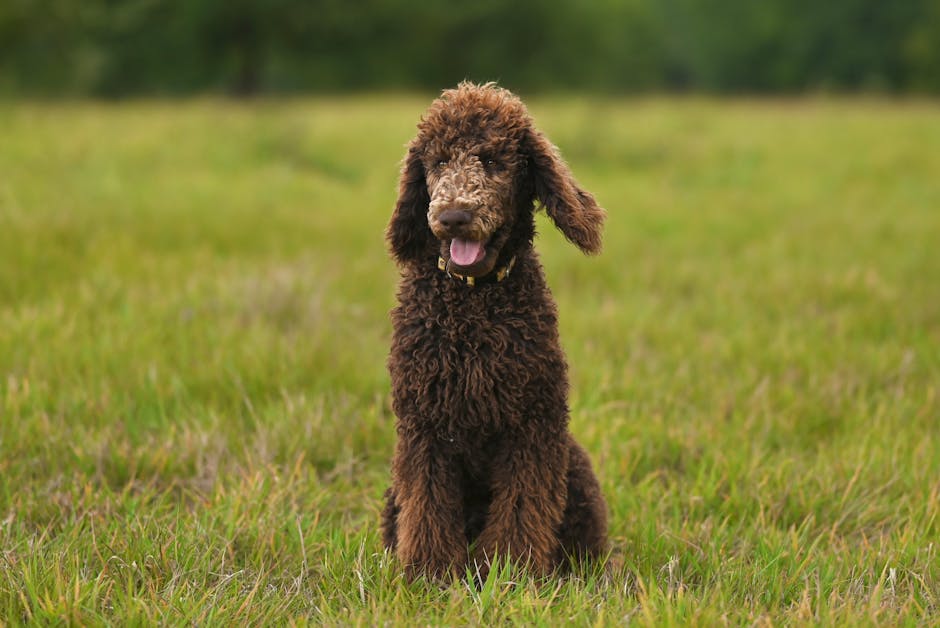

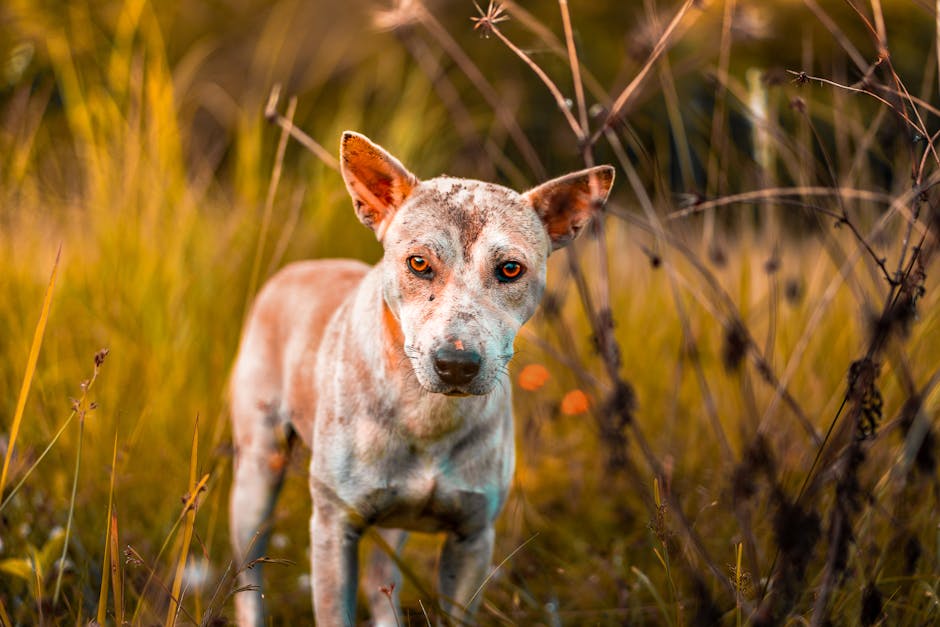

When your vet first says “Cushing’s disease,” it feels like the ground shifts. I remember sitting in the waiting room with a friend whose 10-year-old Miniature Poodle, Biscuit, had just been diagnosed. We’d spent weeks chalking up the excessive drinking and the pot belly to “just getting older.” Turns out, it was hyperadrenocorticism — a condition where the body pumps out way too much cortisol.
Here’s what I want you to know right away: a Cushing’s diagnosis isn’t a death sentence. Dogs can live well for years with proper management. But learning how to care for a dog with Cushing’s disease does require some real adjustments to your daily routine. It’s not just about popping a pill. It’s about rethinking water access, meals, exercise, skin care, and knowing when something’s gone sideways.
This guide covers the practical, day-to-day stuff — the things that make the biggest difference in your dog’s quality of life. I’m not going to sugarcoat it. Managing Cushing’s takes effort. But it’s absolutely doable.
Understanding Cushing’s Disease in Dogs
Cushing’s disease happens when your dog’s adrenal glands produce too much cortisol. Cortisol is a stress hormone — totally normal in small amounts, but devastating when it floods the system around the clock. It’s most common in dogs over 6, and certain breeds get hit harder than others. Poodles, Dachshunds, Boston Terriers, Boxers, and Beagles all show up on the “at risk” list more than you’d like.
Pituitary-Dependent vs Adrenal-Dependent Cushing’s
About 85% of Cushing’s cases are pituitary-dependent. That means a tiny tumor on the pituitary gland — a pea-sized structure at the base of the brain — is telling the adrenal glands to keep producing cortisol nonstop. The adrenals are just following orders.
The other 15% are adrenal-dependent. A tumor directly on one of the adrenal glands is the culprit. These can sometimes be removed surgically, but it depends on the tumor’s size and whether it’s spread.
There’s also a third type that doesn’t get discussed enough: iatrogenic Cushing’s. This happens when dogs are on long-term steroid medications like prednisone. The treatment here is gradually tapering the steroids — never stop them cold turkey.
Why does the type matter? Because it affects your treatment options and long-term outlook. Pituitary-dependent Cushing’s is managed medically in most cases. Adrenal tumors might be surgical candidates. Your vet should confirm which type your dog has before starting treatment.
How Excess Cortisol Affects Your Dog’s Body
Think of cortisol as an alarm system that never turns off. When it’s constantly elevated, it wreaks havoc on basically everything.
What excess cortisol does:
– Suppresses the immune system, making infections far more likely
– Breaks down muscle tissue, causing weakness and that classic pot-bellied look
– Increases blood sugar, putting your dog at risk for diabetes
– Thins the skin, making it fragile and slow to heal
– Raises blood pressure, which can damage organs over time
– Promotes blood clot formation — a genuinely dangerous complication
– Increases calcium deposits in skin and other tissues
It’s a lot. And it’s why Cushing’s dogs need more than just medication. They need a whole care approach.
Recognizing Cushing’s Symptoms Day to Day
Most owners notice the big symptoms first. But once your dog is diagnosed and on treatment, you’ll need to track subtler changes too. Knowing what to watch for helps you catch problems early and gives your vet better information at checkups.
Excessive Drinking and Urination
This is usually the first thing people notice. And I mean excessive. We’re talking about a dog that empties the water bowl three or four times a day, then has accidents in the house — even if they haven’t had an accident since puppyhood.
A healthy dog drinks roughly 1 ounce of water per pound of body weight daily. A Cushing’s dog might drink two to three times that. A 30-pound dog slamming back 60-90 ounces of water daily? That’s a problem.
Keep track of water intake before and after starting treatment. It’s one of the most reliable indicators of whether the medication is working.
Pot-Bellied Appearance and Muscle Weakness
The pot belly isn’t fat in the way you’d think. It’s a combination of muscle wasting in the abdominal wall (so the organs sag outward), fat redistribution to the abdomen, and an enlarged liver. Cortisol literally eats away at muscle while directing fat storage to the midsection.
You’ll also notice your dog getting tired faster. Stairs become harder. Jumping onto the couch takes more effort or stops entirely. Hind-leg weakness is common. Biscuit went from a dog who’d chase squirrels all afternoon to one who’d look at the stairs and just… sit down.
Skin and Coat Changes
Cushing’s dogs often develop thin, papery skin. You might notice:
- Hair loss, particularly on the flanks and belly (usually symmetrical)
- Skin that bruises easily or tears with minor trauma
- Blackheads, especially on the belly
- Recurring skin infections that just won’t clear up
- Hard, calcified patches on the skin (calcinosis cutis)
- Slow wound healing
The coat often gets dull and dry. Some dogs lose their undercoat entirely. It’s one of the more visible signs, and honestly, one of the hardest to watch.
Daily Care Routine for a Dog with Cushing’s
This is where learning how to care for a dog with Cushing’s disease gets practical. Your daily routine matters more than you’d expect.
Managing Water Intake and Bathroom Access
Never restrict water. I can’t stress this enough. Your Cushing’s dog is drinking excessively because the cortisol is affecting their kidneys’ ability to concentrate urine. They genuinely need that water. Restricting it can lead to dehydration fast.
What you can do:
- Provide constant access to fresh, clean water. Multiple bowls around the house if needed.
- Increase bathroom breaks to every 3-4 hours. If you work full-time, a dog walker or doggy door isn’t optional — it’s a necessity.
- Use waterproof mattress covers and washable pee pads near the door for overnight accidents. Don’t punish your dog. They literally can’t help it.
- Track daily water intake by measuring what goes into the bowl each morning. This becomes your baseline.
Once treatment kicks in (usually within 2-4 weeks on trilostane), you should see water consumption start to drop. If it doesn’t, tell your vet.
Adapting Exercise for Muscle Weakness
Your Cushing’s dog still needs to move. In fact, gentle exercise helps maintain whatever muscle mass they have left and prevents further deterioration. But you need to adjust expectations.
What works:
– Short walks, 15-20 minutes, twice daily. Watch your dog, not your watch.
– Flat routes. Hills and stairs are brutal on weakened muscles.
– Swimming, if your dog enjoys it. It’s low-impact and supports their weight.
– Gentle play sessions. Keep it short and let them set the pace.
What doesn’t:
– Long hikes or runs. Not until treatment has stabilized.
– Forced activity when your dog clearly wants to stop.
– Rough play with other dogs. Their thin skin tears easily.
I’d also recommend non-slip rugs on hardwood floors. Cushing’s dogs with weakened legs slip more, and a bad fall can cause real injury.
Skin Care and Infection Prevention
With a suppressed immune system and compromised skin, infections become a constant battle. This is where a lot of Cushing’s disease dog daily care effort goes.
Weekly skin checks — get your hands on your dog and actually look. Check the belly, armpits, between toes, and around the tail. You’re looking for redness, hot spots, unusual lumps, or any broken skin.
Bathing protocol:
– Use a gentle, medicated shampoo (your vet can recommend one with chlorhexidine or ketoconazole)
– Bathe every 1-2 weeks, more if your vet recommends it
– Pat dry thoroughly — damp skin breeds bacteria
– Apply any prescribed topical treatments after bathing
Keep bedding clean. Wash it weekly in hot water. Cushing’s dogs are infection magnets, and dirty bedding is asking for trouble.
If you notice any skin infection starting — redness, discharge, odor — don’t wait for your next vet appointment. UTIs are also extremely common in Cushing’s dogs, so if you notice cloudy urine, straining, or increased accidents, get a urine culture done.
Diet and Nutrition for Cushing’s Dogs
Diet won’t cure Cushing’s, but the right Cushing’s disease dog diet supports treatment and helps manage symptoms. The wrong diet makes everything harder.
Low-Fat, Moderate-Protein Feeding Guidelines
Cortisol messes with fat metabolism. Cushing’s dogs are prone to high cholesterol, high triglycerides, and pancreatitis. A low-fat diet isn’t just a good idea — it’s protective.
| Nutrient | Target Range | Why It Matters |
|---|---|---|
| Fat | 8-12% (dry matter) | Reduces pancreatitis risk and supports liver |
| Protein | 18-25% (dry matter) | Maintains muscle mass without overloading kidneys |
| Fiber | Moderate-high | Helps regulate blood sugar and digestion |
| Sodium | Low | Cushings dogs are prone to hypertension |
| Omega-3s | Supplemented | Anti-inflammatory, supports skin and coat |
Practical feeding tips:
- Feed 2-3 smaller meals instead of one large one. This keeps blood sugar more stable.
- Lean proteins are your friend — chicken breast, turkey, white fish.
- Add steamed vegetables like green beans, broccoli, or zucchini for fiber without calories.
- Fish oil supplementation (EPA/DHA) helps with skin issues. Ask your vet about dosing — typically 1,000 mg combined EPA/DHA per 30 pounds of body weight.
If you’re feeding commercial food, look for formulas marketed for weight management or senior dogs. They tend to be lower in fat and higher in fiber. But always check the guaranteed analysis — marketing claims and actual nutrient profiles don’t always match.
Foods to Avoid
Some foods are particularly bad for managing Cushing’s in dogs at home because they spike blood sugar, add unnecessary fat, or stress the liver.
Skip these:
– High-fat treats — cheese, bacon, peanut butter (in large amounts). I know. It hurts. But pancreatitis hurts more.
– Simple carbs — white rice, white bread, sugary treats. These cause blood sugar spikes that a Cushing’s dog handles poorly.
– High-sodium foods — processed treats, deli meat. Blood pressure is already a concern.
– Excessive organ meats — liver is fine occasionally, but too much adds fat and vitamin A.
For treats, try blueberries, apple slices (no seeds), carrot sticks, or small pieces of cooked chicken. They’re low-calorie, low-fat, and most dogs love them.
Medication Management (Trilostane and Monitoring)
Trilostane (brand name Vetoryl) is the most commonly prescribed medication for Cushing’s in dogs. It works by blocking an enzyme involved in cortisol production. It doesn’t cure the disease — it manages it. And it requires regular monitoring to keep the dosage dialed in.
Important: Give trilostane with food. Always. It absorbs significantly better with a meal, and giving it on an empty stomach can lead to under-dosing and poor control.
Most dogs start on a dose based on body weight (typically 1-2 mg per pound) given once or twice daily. Your vet will adjust based on test results and clinical response.
Understanding ACTH Stimulation Tests
The ACTH stim test is how your vet monitors whether trilostane is doing its job. Here’s what happens:
- A blood sample is taken (pre-cortisol level)
- A synthetic hormone (ACTH) is injected, which tells the adrenal glands to produce cortisol
- Another blood sample is taken 1-2 hours later (post-cortisol level)
The post-stimulation cortisol level tells your vet whether the adrenals are being properly suppressed.
| Post-ACTH Cortisol | What It Means |
|---|---|
| 1.0-5.0 µg/dL | Good control — ideal therapeutic range |
| 5.1-9.0 µg/dL | Adequate but may need dose increase |
| Above 9.0 µg/dL | Under-controlled — dose increase likely needed |
| Below 1.0 µg/dL | Over-suppressed — dose too high, risk of Addisonian crisis |
Testing schedule: Expect an ACTH stim test at 10-14 days after starting trilostane, again at 30 days, 90 days, and then every 3-6 months for life. Yes, it adds up financially. Budget for it.
The test timing matters — blood should be drawn 4-6 hours after the morning trilostane dose. If your appointment is at the wrong time, reschedule. An incorrectly timed test gives unreliable results, which leads to wrong dosage decisions.
Tracking Medication Effectiveness at Home
Between vet visits, you’re the monitor. Keep a simple daily log. Nothing fancy — a notebook or phone note works fine.
Track these daily:
– Water consumption (measure the bowl)
– Number of urinations and any accidents
– Appetite (normal, increased, decreased)
– Energy level (1-5 scale)
– Any vomiting, diarrhea, or lethargy
This data is gold for your vet. When someone walks in and says “she seems about the same,” that’s less helpful than “water intake dropped from 80 oz to 45 oz in the first two weeks, energy went from a 2 to a 3, but she had diarrhea on days 8 and 9.”
You should see improvement in water intake and urination within 2-4 weeks. Skin and coat changes take longer — sometimes 3-6 months. The pot belly may partially resolve as muscle tone improves, but some abdominal distension from the enlarged liver can persist.
When to Call the Vet Between Checkups
This section could save your dog’s life. I’m not being dramatic.
Dogs on trilostane can develop Addisonian crisis — a sudden, dangerous drop in cortisol. It happens when the medication suppresses the adrenals too much, or when a Cushing’s dog gets sick and their already-medicated adrenals can’t produce the extra cortisol the body needs during stress.
Call your vet immediately if you notice:
– Vomiting or diarrhea that doesn’t resolve within a few hours
– Complete loss of appetite lasting more than 24 hours
– Extreme lethargy or collapse
– Shaking, weakness, or inability to stand
– Bloody stool
– Signs of a UTI (straining, frequent small urinations, cloudy or bloody urine)
Critical rule: If your Cushing’s dog becomes ill for any reason — vomiting, diarrhea, injury, anything — stop the trilostane and call your vet. A sick body needs cortisol to cope with stress. Continuing to suppress cortisol production during illness can trigger an Addisonian crisis. Your vet will tell you when it’s safe to restart.
Keep your vet’s emergency number and the nearest 24-hour animal hospital number somewhere accessible. Not buried in your phone contacts. On the fridge. In your wallet. Wherever you’ll actually find it at 2 AM when your dog is vomiting.
Also worth discussing with your vet: keeping an emergency supply of prednisone at home. Some vets prescribe a small stash specifically for situations where you can’t get to a clinic immediately and your dog is showing signs of cortisol crash. This isn’t standard everywhere, but it’s worth asking about.
Frequently Asked Questions
How long can a dog live with Cushing’s disease?
With proper treatment and monitoring, many dogs live 2-4 years after diagnosis — and some go even longer. The prognosis depends heavily on the type (pituitary vs adrenal), whether there are complicating conditions like diabetes, and how well the disease responds to medication. I’ve known dogs who lived perfectly happy lives for 3+ years post-diagnosis. Quality of life matters more than the number.
Is Cushing’s disease painful for dogs?
Cushing’s itself isn’t typically painful in the way we think of pain. But the secondary effects can cause discomfort — UTIs are uncomfortable, skin infections can be itchy and sore, muscle weakness makes movement harder, and the constant thirst and need to urinate is stressful. Managing these symptoms well is a big part of how to care for a dog with Cushing’s disease effectively.
Can I manage Cushing’s disease in my dog without medication?
For mild cases, some owners and vets take a “watchful waiting” approach — monitoring symptoms without starting trilostane. This can work if symptoms are mild and quality of life is good. But for moderate to severe cases, medication makes a real difference. The risks of uncontrolled Cushing’s (diabetes, blood clots, infections) generally outweigh the risks of treatment. Talk honestly with your vet about your dog’s specific situation.
How much does Cushing’s disease treatment cost?
Let’s be real — it’s not cheap. Trilostane alone runs $50-200 per month depending on your dog’s size and dosage. ACTH stim tests cost $150-350 each, and you’ll need several per year. Add in more frequent vet visits, possible UTI treatments, blood panels, and dietary changes, and you’re looking at $1,500-3,000+ annually. Pet insurance helps if you have it, but most policies won’t cover pre-existing conditions.
What’s the best diet for a dog with Cushing’s disease?
Low fat, moderate protein, higher fiber. That’s the short answer. The longer answer involves looking at your individual dog’s bloodwork — if triglycerides or cholesterol are elevated, fat restriction becomes even more important. If blood sugar is trending high, reducing simple carbs matters more. A veterinary nutritionist can create a custom plan, but for most dogs, a quality senior or weight management formula combined with the guidelines above works well.
Should I still give my Cushing’s dog heartworm and flea prevention?
Absolutely, yes. Cushing’s dogs have suppressed immune systems, which means parasites and the infections they carry are even more dangerous. Don’t skip preventatives. If anything, staying current on preventative care is more important now, not less.
Living with a Cushing’s diagnosis means adjusting to a new normal. There’ll be more vet visits, more careful monitoring, and some changes to how you do things. But dogs are remarkably adaptable — honestly, more adaptable than we are. With consistent daily care, the right medication protocol, and a solid partnership with your vet, your dog can still enjoy good days, belly rubs, and all the things that make life worth living. It just takes a bit more work on your end. And they’re worth every bit of it.
Featured Image Source: Pexels