

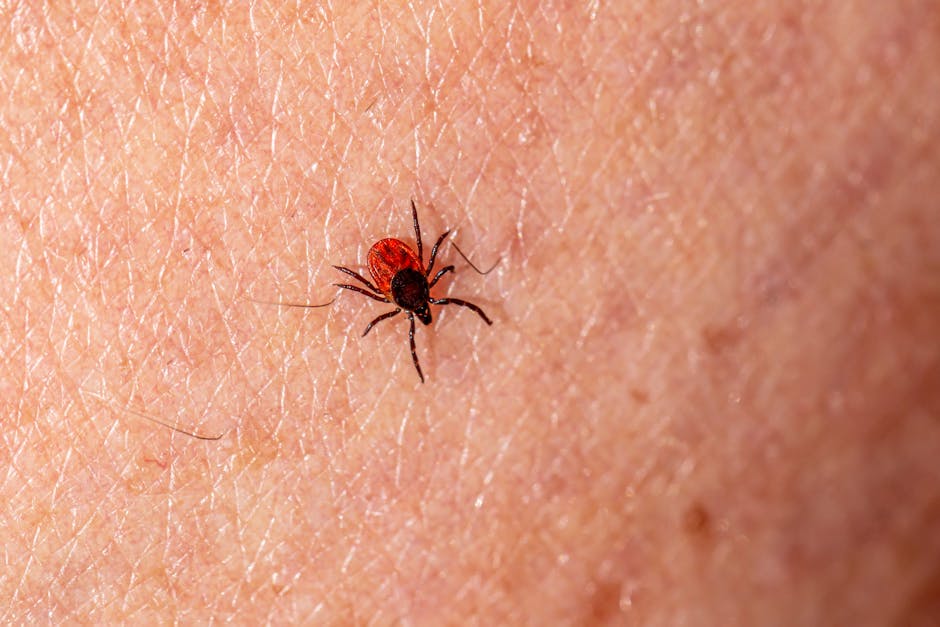

Why I’m Obsessed With Tick Prevention (And You Should Be Too)
I’ll be honest — I didn’t take ticks seriously until my Lab mix, Benson, came down with ehrlichiosis three years ago. $800 in vet bills, six weeks of antibiotics, and watching my normally bouncy dog barely lift his head off his bed. That’ll change your perspective real quick.
Tick populations have been expanding across North America for over a decade now, and 2026 is shaping up to be another banner year for these little nightmare parasites. Milder winters mean more ticks survive to spring. More deer and mice mean more hosts for tick larvae. And suburban sprawl keeps pushing us right into prime tick habitat.
Here’s the thing that gets me: most tick-borne diseases are completely preventable. Not “mostly preventable” or “preventable with careful monitoring.” Completely preventable. The right medication, applied correctly, and your dog never has to go through what Benson did. So yeah, I have Opinions about tick prevention. Let’s get into it.
The Diseases We’re Actually Fighting
Before we talk products, you need to understand what’s at stake. Because “tick prevention” sounds vague until you know what these parasites actually transmit.
Lyme Disease
The big one. Caused by Borrelia burgdorferi bacteria, transmitted primarily by black-legged ticks (deer ticks). Early symptoms include fever, lethargy, swollen lymph nodes, and that telltale lameness that shifts from leg to leg. Miss the early signs and you’re looking at kidney damage, heart problems, and neurological issues.
The scary part? Dogs don’t develop that bullseye rash humans get. By the time most owners notice something’s wrong, the infection is well-established.
Ehrlichiosis
This is what got Benson. Transmitted by brown dog ticks and lone star ticks, it attacks white blood cells. Symptoms ramp up over weeks — mild fever becomes severe lethargy, loss of appetite becomes dangerous weight loss, slight bleeding becomes nosebleeds and bruising. Left untreated, it can be fatal.
Anaplasmosis
Similar to ehrlichiosis but targets different blood cells. Joint pain is the hallmark here — sudden lameness, reluctance to move, a dog that whimpers getting up from a nap. Can become chronic if not treated early.
Rocky Mountain Spotted Fever
Despite the name, this one’s everywhere. High fever, lethargy, vomiting, diarrhea, and those distinctive petechiae (tiny red spots) on the gums and whites of the eyes. It moves fast and hits hard. Dogs can die within two weeks of infection without treatment.
Breaking Down Your Prevention Options
The market’s crowded with tick prevention products, and they work in fundamentally different ways. Understanding the categories helps you make sense of the endless options.
Oral Chewables work systemically — your dog eats a flavored tablet, the active ingredient enters the bloodstream, and when a tick bites, it ingests a lethal dose. The tick has to bite to die, but it’s killed before it can transmit most diseases (transmission typically takes 24-48 hours of attachment).
You’ve got two main timelines here: monthly chews like NexGard and Simparica, and extended-release options like Bravecto that last 12 weeks. Same basic concept, different commitment levels.
Topical Treatments are applied to the skin, usually between the shoulder blades. They spread through the skin’s oil layer and either kill on contact or after biting, depending on the formula. Some repel ticks before they can attach at all — a genuine advantage if the idea of dead ticks falling off your dog grosses you out.
Collars release active ingredients continuously over months. The good ones (emphasis on good — more on that later) provide protection for 6-8 months from a single collar. They work via contact, killing ticks that crawl across treated fur.
Natural Alternatives — let me be direct. Essential oil sprays, diatomaceous earth, garlic supplements… I’ve tried most of them. Some might have mild repellent properties. None of them provide the reliable protection of the products above. If you’re in a low-risk area and just want some extra peace of mind during a quick backyard potty break, fine. But if you’re hiking, in tick-heavy regions, or just want to not worry about it? Go with something proven.
The Oral Medication Showdown
Let’s compare the three prescription oral options most vets recommend. I’ve used all of them at various points.
Bravecto (Fluralaner)
Twelve weeks of protection from one chew. That’s the selling point, and honestly? It’s a good one. I’m the person who forgets monthly heartworm pills until I see my phone reminder for the third time, so quarterly dosing works for my brain.
Bravecto kills both fleas and ticks, including the four major tick species that transmit disease in the US. The chew itself is huge — my 65-pound dog gets a tablet the size of a small cookie — but most dogs scarf it down like a treat. Benson does, anyway.
The numbers: Around $55-75 for a single dose depending on your dog’s weight and where you buy. That works out to roughly $18-25 per month of protection.
What I like: Set it and forget it. No missed doses because you were traveling, no greasy spot-on residue, no collar to adjust.
What I don’t: It’s prescription-only, so you need a vet relationship (not a bad thing, but adds a step). Some dogs experience GI upset — usually mild and temporary, but worth knowing.
Simparica Trio (Sarolaner + Moxidectin + Pyrantel)
This one’s doing triple duty: ticks, fleas, heartworm, plus intestinal parasites like hookworms and roundworms. If you were already giving separate heartworm and tick prevention, switching to Simparica Trio cuts your monthly routine in half.
Monthly dosing, so you’re managing it more often than Bravecto. The tablets are smaller and liver-flavored. My friend’s picky Shiba Inu actually takes these willingly, which is saying something.
The numbers: $20-30 per monthly dose, depending on size. Slightly more expensive than single-purpose tick meds, but cheaper than buying everything separately.
What I like: The all-in-one convenience is real. One tablet covers basically everything except tapeworms. Great for forgetful owners who want to minimize the number of things they can forget.
What I don’t: You’re paying for heartworm prevention even if you live somewhere with minimal heartworm risk. The monthly schedule is also more demanding if you’re already not great with routines.
NexGard (Afoxolaner)
The original isoxazoline-class tick chew. Been on the market since 2014, which means we’ve got a decade of real-world safety data. That track record matters to some people, and I get it.
Monthly beef-flavored chew. Kills fleas within 4 hours and ticks within 48 hours — fast enough to prevent disease transmission. The dosing sizes are more granular than competitors, so you’re less likely to overshoot your dog’s needs.
The numbers: $18-25 per monthly dose. One of the more affordable prescription options.
What I like: Proven, affordable, works. If it ain’t broke…
What I don’t: Monthly dosing is monthly dosing. And if you want heartworm protection bundled in, you’ll need NexGard Plus (different product, slightly higher price) or a separate heartworm med.
Quick Comparison
| Product | Duration | Covers Heartworm? | Avg Monthly Cost | Requires Rx |
|---|---|---|---|---|
| Bravecto | 12 weeks | No | $18-25 | Yes |
| Simparica Trio | 1 month | Yes | $20-30 | Yes |
| NexGard | 1 month | No | $18-25 | Yes |
Topical Treatments: When You Want Contact Kill
Some dogs won’t take pills. Some owners prefer not to add medications to the bloodstream. And some situations genuinely call for repellent properties that oral meds don’t provide. That’s where topicals come in.
K9 Advantix II
My top pick for active, water-loving dogs. This is the one I use on Benson during duck hunting season — and yes, I’ve tested it extensively.
K9 Advantix II actually repels ticks before they can attach, thanks to the permethrin component. That’s a meaningful advantage over products that only kill after biting. It’s also waterproof after 24 hours, though “waterproof” is doing some heavy lifting. A quick swim? You’re fine. Daily lake retrieves for a week straight? Reapply early.
The numbers: $50-70 for a 6-pack, so about $8-12 per monthly dose.
Critical warning: Permethrin is toxic to cats. Seriously toxic. If you have cats in your home, this probably isn’t worth the risk. Even residue on furniture or bedding can harm them. I’ve never had cats, so it’s never been an issue for me, but I’ve heard enough horror stories to lead with this.
What I like: The repellent action means fewer attached ticks to find during post-hike inspections. Works on mosquitoes too. Budget-friendly compared to prescription options.
What I don’t: Monthly application, greasy spot for 24 hours, and the cat situation.
Frontline Plus (Fipronil + S-methoprene)
Look, Frontline was the gold standard for a long time. It’s been around since the 90s. Your parents probably used it on your childhood dog.
But here’s the uncomfortable truth: tick resistance to fipronil has been documented. It still works in many areas, but I’ve heard from enough owners in the Southeast and Northeast who switched away from Frontline because it stopped being effective. If you’re in a high-tick-pressure region, I’d lean toward other options.
The numbers: $40-60 for a 6-pack. One of the cheapest options out there.
What I like: Established track record, easy to find, affordable.
What I don’t: The efficacy questions are real. It’s not that it doesn’t work — it’s that it might not work as well as it used to.
TevraPet FirstAct Plus
Budget option alert. This is basically a generic version of Frontline’s active ingredients at a fraction of the cost. If Frontline works in your area, FirstAct Plus should too.
The numbers: $25-35 for a 6-pack. That’s like $4-6 per month.
What I like: It’s cheap. That matters if you’re protecting multiple dogs.
What I don’t: Same efficacy concerns as Frontline, plus it’s an OTC product, meaning no vet oversight unless you initiate it.
The Seresto Deep-Dive
The Seresto collar deserves its own section because it’s genuinely different from other collars — and from other prevention methods entirely.
Eight months of continuous protection from one $60-70 collar. The math works out to under $9 per month, which makes it one of the most economical options that actually works. My sister’s Beagle has been on Seresto for four years now and never had a tick issue, even with daily off-leash walks through Connecticut woods.
The collar uses imidacloprid and flumethrin, released in low concentrations through a polymer matrix. No greasy residue, no monthly applications, no pills to remember. Once it’s on, it’s working.
Fitting matters more than you’d think. You need two fingers of space between the collar and your dog’s neck — snug enough to ensure contact but loose enough to not cause irritation. Trim the excess length; don’t leave it dangling.
The authenticity problem is real. Counterfeit Seresto collars flooded the market a few years back, and they’re still out there. These fakes look identical but contain little to no active ingredient. Buy from verified retailers only — your vet’s office, Chewy, major pet store chains. Random Amazon third-party sellers or suspiciously cheap eBay listings? Hard pass.
I’ve heard scattered reports of skin reactions, but in my experience (and my sister’s, and several friends’), proper fitting prevents most issues. If you notice any redness or hair loss under the collar, remove it immediately.
Who shouldn’t use Seresto: Households with cats that groom dogs (though it’s far safer than permethrin products). Dogs who swim constantly — official guidance says it’s water-resistant, but daily submersion will shorten effective life. Dogs with existing skin sensitivities might want to try something else.
Stretching Your Dollar: Budget Options That Work
Not everyone can swing $50+/month on tick prevention, especially with multiple dogs. Here’s what I tell friends who need to economize.
PetArmor Plus is the store-brand Frontline equivalent. Same active ingredients (fipronil + S-methoprene), manufactured to the same standards, usually 30-40% cheaper. Same caveats about regional efficacy apply.
Seresto generics have started appearing — collars from manufacturers like Rolf Club 3D that use similar active ingredient combinations. I haven’t personally tested enough of them to make a blanket recommendation, but early reports are promising. Do your research on specific products.
Costco’s Kirkland brand topicals use the same fipronil-based formula as Frontline and PetArmor at Costco prices. If you’re already a member and fipronil works in your area, this is the cheapest option I know of.
One approach I DON’T recommend: buying the “large dog” size of a topical and splitting it across multiple small dogs. Dosing isn’t just about volume — it’s about concentration per pound. You might underdose (ineffective) or overdose (toxic). Don’t do it.
What About Your Specific Dog?
Water Dogs (Labs, Goldens, Spaniels, Poodles)
If your dog is in the water more than on land, oral medications are your safest bet. They can’t wash off, swim off, or get diluted. Bravecto or Simparica Trio during swimming season, then switch to whatever’s convenient in winter.
If you prefer topicals, K9 Advantix II is the most water-resistant option, but you’ll likely need to apply more frequently than monthly during heavy swimming periods. Read the label — it tells you exactly what “water-resistant” means (hint: not “waterproof forever”).
Toy Breeds (Under 10 lbs)
Dosing precision matters more at small sizes. Prescription oral meds have specific formulations for dogs 4-10 lbs, 2-4 lbs, etc. This is actually where having a vet relationship really pays off — they’ll make sure you’re getting the right dose.
Some tiny dogs struggle with even small chews. Topicals might be easier, just be extra careful with application — you want it on the skin, not pooling in the fur.
Dogs With Sensitive Skin or Allergies
Oral medications bypass the skin entirely. If your dog reacts to topicals or collars, this is probably your path. Start with whichever oral your vet recommends and monitor for GI upset, which is the main side effect to watch for.
Multi-Pet Households (Especially With Cats)
Avoid permethrin-based products entirely. K9 Advantix II is out. Many generic topicals contain permethrin too, so read labels carefully.
Seresto is safer around cats than permethrin products, but there’s still some risk if your cat grooms your dog heavily. Oral medications are the safest choice for dog-cat households — nothing transfers on fur.
When to Start (And Should You Go Year-Round?)
Traditional wisdom said tick season runs April through October. That’s increasingly outdated.
Black-legged ticks are active whenever temperatures are above freezing. I’ve personally found engorged ticks on Benson in February during a warm spell. Climate patterns have made “tick season” more like “tick year” in much of the country.
My recommendation: year-round prevention if you can swing it, especially in the Northeast, Upper Midwest, and anywhere deer populations are high. At minimum, start protection in early March — before you see the first tick — and continue through the first hard frost.
Regional Considerations
High-risk areas (Northeast, Upper Midwest, Northern California): Year-round prevention is standard at this point. Don’t skip months.
Moderate-risk areas (Southeast, Pacific Northwest, Rocky Mountain states): Seasonal prevention is probably fine, but err on the side of starting early and ending late.
Lower-risk areas (Desert Southwest, Hawaii): Talk to your local vet. Risk profiles are genuinely different, and you might get away with less intensive prevention.
Mixing Prevention Methods: What’s Safe?
Can you use a Seresto collar AND a monthly oral medication? What about a topical plus a collar?
The general answer: combining products should only be done under vet guidance. Some combinations are fine; others create toxicity risks through ingredient overlap.
Generally safe combinations:
- Oral tick medication + heartworm prevention (different drug classes)
- Seresto collar + oral heartworm prevention
- Natural repellent sprays + any of the above (they’re not powerful enough to interact meaningfully)
Ask your vet first:
- Any two products containing isoxazolines (Bravecto + NexGard, for example)
- Multiple topical products
- Collar + topical combinations
What I personally do: Bravecto every 12 weeks for systemic tick/flea prevention, plus a spray-on repellent before hikes in heavy tick areas. My vet signed off on this approach.
Why I Usually Recommend Prescription Over OTC
Over-the-counter products aren’t inherently worse than prescription options. But the prescription requirement does several things:
-
Ensures vet oversight. Your vet knows your dog’s health history, current medications, and risk factors. They’ll steer you away from problematic choices.
-
Better efficacy data. Prescription products go through more rigorous FDA approval processes. The efficacy claims are backed by controlled studies.
-
Newer active ingredients. The isoxazoline class (used in Bravecto, NexGard, Simparica) is only available by prescription and represents the most recent advancement in tick control.
-
Resistance concerns. Older active ingredients in OTC products have been in use for decades. The newer prescription options have less resistance documented — for now.
That said, if budget is tight and fipronil-based products work in your area, OTC options are absolutely better than nothing. Protection with limitations beats no protection at all.
Frequently Asked Questions
My dog ate a tick. Should I be worried?
Probably not. Eating a tick doesn’t transmit disease the way a bite does. The pathogens aren’t in the tick’s body fluids; they’re in its saliva, delivered during feeding. Your dog might have minor GI upset from eating something weird, but disease transmission from swallowing a tick is essentially unheard of.
How do I know if tick prevention is working?
The gold standard: no attached ticks. If you’re finding live, attached ticks on a dog that’s been consistently protected, something’s not working. Either the product isn’t effective in your area, it wasn’t applied correctly, or you’re using a product that requires biting (oral meds) and you’re just finding them before they die.
Dead ticks on your dog? That’s actually the prevention working. They bit, got a dose of whatever’s in your dog’s system, and died.
Are tick prevention medications safe for pregnant or nursing dogs?
This varies significantly by product. Some are FDA-approved for breeding, pregnant, and lactating dogs. Others haven’t been tested in those populations. Check with your vet before continuing or starting any tick prevention on a pregnant or nursing dog.
My dog had a reaction to [product]. What should I try instead?
Different drug classes cause different reactions. If your dog reacted to an isoxazoline (Bravecto, NexGard, Simparica), try a topical or collar. If they reacted to a topical, try an oral medication. Document the specific product and active ingredients so your vet can identify the most likely culprit.
Can puppies use tick prevention?
Most products are approved for puppies 8 weeks and older, but weight minimums vary. NexGard and Simparica are approved for puppies over 8 weeks weighing at least 4 lbs. Bravecto requires 6 months of age and at least 4.4 lbs. Check specific product labels and confirm with your vet.
I found an attached tick. How do I remove it?
Fine-tipped tweezers, grasp as close to the skin as possible, pull straight up with steady pressure. Don’t twist, don’t squeeze the body, don’t burn it or coat it in petroleum jelly. Those old tricks either don’t work or increase disease transmission risk. After removal, clean the area with rubbing alcohol. Save the tick in a sealed bag if you want it tested later.
The Bottom Line: What Would I Buy?
Here’s my quick decision matrix based on what I know works:
Best overall for most dogs: Bravecto (12-week oral chew). Set it, forget it, done. The convenience factor alone is worth the slight price premium over monthly options.
Best for simplicity + heartworm coverage: Simparica Trio. One monthly chew covers ticks, fleas, heartworm, and intestinal parasites. Hard to argue with that.
Best for water-loving dogs: K9 Advantix II if you don’t have cats. The repellent action and relative water resistance beat oral options for truly aquatic dogs. Or just use oral meds and accept you’ll see dead ticks occasionally.
Best budget option: Seresto collar. Under $9/month for 8 months of protection. Buy from verified retailers only to avoid counterfeits.
Best for multi-pet households with cats: Any oral tick medication for the dogs. Zero permethrin exposure risk.
Whatever you choose, use it consistently. A half-used tube of topical sitting in your medicine cabinet isn’t protecting anyone. The best tick prevention is the one you’ll actually apply on schedule, every time.
Now go hug your dog. And then check behind their ears for ticks.
Featured Image Source: Pexels