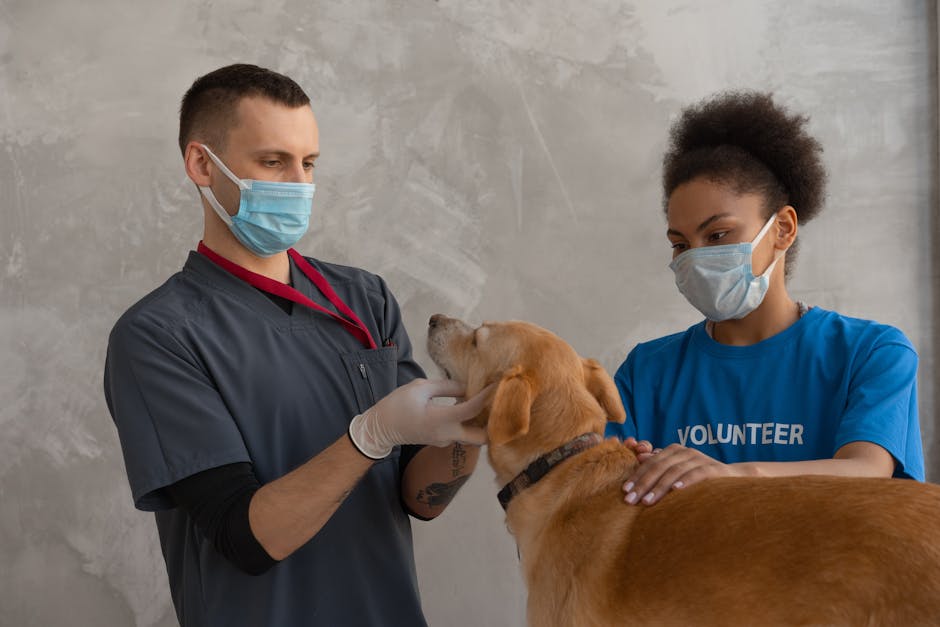


Why Spring Hits Allergic Dogs So Hard
Every April, I watch my neighbour’s Golden Retriever turn into a scratching, miserable mess. She spends hundreds at the vet, tries every remedy, and by June things calm down — only to repeat the whole cycle next year. Sound familiar?
Here’s what most people don’t realise: dogs don’t get seasonal allergies like we do. While you’re reaching for tissues and dealing with a runny nose, your dog is tearing at their skin. Canine allergies show up almost entirely on the skin and ears, not the respiratory system. That’s why so many owners miss the signs entirely — they’re looking for sneezing when they should be checking for red, irritated paws.
This guide covers everything I’ve learned from managing allergies in three different dogs over the years, plus what I’ve picked up from far too many vet visits. We’ll go through symptoms, treatments (from cheap antihistamines to the fancy prescription stuff), and the environmental tricks that actually make a difference.
What’s Actually Happening When Your Dog Reacts to Pollen
The technical term is canine atopic dermatitis, but basically it’s your dog’s immune system losing its mind over harmless stuff. Tree pollen in early spring, grass pollen through summer, mold spores when things get damp — these trigger an inflammatory response that manifests as intense itching.
Why does your dog have allergies when the neighbour’s dog is fine? Genetics, mostly. Some dogs inherit a predisposition to overreact to environmental allergens. The frustrating part? It often gets worse over time. A dog with mild symptoms at age two might be a disaster by age five if you don’t stay on top of it.
The immune system essentially becomes sensitised. Each exposure reinforces the overreaction. I’ve seen dogs go from “occasional scratching in May” to “year-round skin problems” because the underlying inflammation was never properly managed.
Spotting the Signs (It’s Not Always Obvious)
The Big Three: Itching, Scratching, Paw Chewing
If your dog is obsessively licking their paws — especially the tops of them — that’s often the first sign. The saliva staining turns light fur a rusty brown colour. You might notice them chewing between their toes or grinding their face into the carpet.
Scratching is obvious, but watch for the intensity. Every dog scratches occasionally. An allergic dog scratches like they’re trying to remove their own skin.
Skin Changes Worth Noting
Red, inflamed skin — particularly in the armpits, groin, and around the ears. Hot spots that seem to appear overnight. Hair loss in patches. One of my Westies would get a specific bald patch on her side every spring without fail. Same spot, same time, every year.
Ear Problems Nobody Warned You About
Chronic ear infections are a massive allergy red flag that gets overlooked constantly. If you’re treating ear infections repeatedly — say, more than twice a year — there’s almost certainly an underlying allergy driving it. The ears get waxy, red, and smell yeasty. Head shaking becomes constant.
The Timing Tells You Everything
Track when symptoms appear. Dog seasonal allergies follow pollen counts. Worse after windy days. Better after heavy rain. If your dog’s symptoms fluctuate with weather patterns, you’re almost certainly dealing with environmental allergies rather than food sensitivities.
Some Breeds Just Got Unlucky
West Highland White Terriers are basically allergy magnets. I’ve owned two, and both needed allergy management from around age three. Scottish Terriers, Bulldogs, Retrievers (both Golden and Labrador), Irish Setters — these breeds pop up constantly in allergy discussions.
Brachycephalic breeds (the flat-faced ones) seem particularly prone, possibly because their skin folds trap allergens. Bulldogs with seasonal allergies are genuinely difficult to manage.
But here’s the thing — any dog can develop allergies. My current dog is a random mix from a shelter, and she still needs Apoquel every spring. Genetics load the gun, but any dog can pull the trigger.
Over-the-Counter Options: What Actually Works
Let’s be honest: antihistamines are far less effective in dogs than humans. Studies suggest they help maybe 20-30% of allergic dogs. But they’re cheap, safe, and worth trying first.
The Big Three Antihistamines
Benadryl (diphenhydramine): The classic. Dosing is typically 1mg per pound of body weight, given 2-3 times daily. A 50-pound dog gets 50mg. It causes drowsiness, which can be a feature or a bug depending on your perspective.
Zyrtec (cetirizine): Less sedating. Usually dosed at 0.5mg per pound once daily.
Claritin (loratadine): Similar to Zyrtec. Some dogs respond better to one than the other — you might need to experiment.
The Warning That Could Save Your Dog’s Life
Never, ever give your dog an antihistamine combined with a decongestant. Anything with pseudoephedrine or phenylephrine — like Claritin-D, Zyrtec-D, or Benadryl with decongestant — is toxic to dogs. It can cause fatal heart arrhythmias. Always read the label. Plain antihistamine only.
Supporting Players
Omega-3 fatty acid supplements won’t solve allergies alone, but they reduce skin inflammation over time. Fish oil is the standard choice — look for products specifically formulated for dogs with a good EPA/DHA ratio.
Medicated shampoos with oatmeal, aloe, or chlorhexidine can provide temporary relief and wash allergens off the coat. I bathe my dog weekly during peak season with a vet-recommended hypoallergenic formula.
When You Need the Prescription Stuff
If OTC options aren’t cutting it after a few weeks, it’s vet time. And honestly? The prescription medications are so much more effective that I sometimes wonder why I bother with antihistamines at all.
Apoquel (Oclacitinib)
This changed everything when it came out. It’s a targeted itch-relief medication that works within hours — sometimes you’ll see improvement the same day. One pill daily, minimal side effects for most dogs. The mechanism is clever: it blocks specific itch signals without broadly suppressing the immune system.
Cost is the downside. Expect around £50-80 monthly depending on your dog’s size. But for dogs with severe allergies, it’s transformative.
Cytopoint
An injectable option that lasts 4-8 weeks. Your vet administers it, so no daily pills to remember. It works by neutralising a specific protein involved in the itch cycle.
Some dogs respond brilliantly to Cytopoint. Others find Apoquel more effective. You might need to try both. I know people who swear by each one.
Steroids: Effective But Complicated
Prednisone works. Fast, dramatic relief. But the side effects with long-term use — increased thirst and urination, weight gain, muscle weakness, increased infection risk — make it a poor choice for ongoing management. Most vets reserve steroids for short-term flares or breakthrough itching.
Can You Combine Medications?
Sometimes. Cytopoint and Apoquel can be used together in severe cases under veterinary supervision. Adding antihistamines to prescription meds is generally safe. Your vet can tailor a combination approach if single-drug therapy isn’t enough.
Immunotherapy: The Closest Thing to a Cure
Allergy shots (or sublingual drops) work by gradually desensitising your dog to specific allergens. It’s the only treatment that addresses the underlying problem rather than just managing symptoms.
The process starts with allergy testing — either blood tests or intradermal skin testing — to identify exactly what your dog reacts to. Then you administer tiny, gradually increasing doses of those allergens over months.
Results aren’t instant. Most dogs need 6-12 months before you see significant improvement. Success rates hover around 60-70% — not guaranteed, but the dogs who respond well often see dramatic, lasting improvement.
It’s a commitment. Weekly injections (or daily drops) for months, then ongoing maintenance. But if your dog is young and severely allergic, it’s worth discussing with a veterinary dermatologist.
Environmental Management (The Free Stuff)
You can reduce allergen exposure without spending a penny on medications. These strategies won’t replace treatment for severely allergic dogs, but they absolutely help.
Wipe down your dog after every outdoor walk. A damp cloth over the coat and paws removes surface pollen before your dog tracks it through the house and onto their bed. Takes thirty seconds. Makes a genuine difference.
Wash bedding weekly in hot water. Allergens accumulate in fabric. Your dog’s bed, your bed if they sleep with you, any blankets they use.
Time your walks strategically. Pollen counts are typically highest mid-morning and early evening. Early morning walks or outings just after rain are better for allergic dogs.
Keep windows closed during high pollen days. Air purifiers with HEPA filters help if your dog spends most of their time indoors. Create at least one allergen-reduced zone where your dog sleeps.
Frequent bathing — weekly during peak season — washes allergens off the skin and provides relief. Don’t overdo it though; you can dry out the skin and make things worse.
Red Flags That Need a Vet Visit
You can manage mild seasonal allergies at home. But some signs mean professional help is needed now, not next week.
Skin that’s broken, oozing, or smells bad — that’s a secondary bacterial or yeast infection. Infections need antibiotics or antifungals; no amount of antihistamines will fix them.
Ear infections — the discharge, smell, and head shaking indicate infection requiring prescription ear medication.
Symptoms not responding to two weeks of consistent OTC treatment — time to escalate to prescription options.
Any facial swelling or breathing difficulty — this could indicate a severe allergic reaction. Rare with seasonal allergies but possible. Emergency vet territory.
Build a relationship with your vet before allergy season hits. Discuss an action plan. Know when to start preventive treatment and what escalation looks like.
Living With a Seasonal Allergy Dog
Dog seasonal allergies aren’t curable, but they’re absolutely manageable. The treatment ladder — start with environmental controls and OTC options, escalate to prescription medications if needed, consider immunotherapy for long-term improvement — gives you plenty of tools.
Consistency matters more than perfection. A dog getting daily Apoquel plus weekly baths plus paw wipes does better than one getting sporadic treatment. And every year you’ll get better at reading your dog’s early signs and intervening before things spiral.
Frequently Asked Questions
Can I give my dog Benadryl every day during allergy season?
Yes, daily Benadryl is safe for most dogs when dosed correctly. The bigger question is whether it’s working. If you’re giving it daily and your dog is still miserable, it’s time to try something else.
How do I know if it’s seasonal allergies or food allergies?
Timing. Seasonal allergies follow pollen patterns — worse in spring and fall, better in winter. Food allergies are constant year-round. There’s overlap (plenty of dogs have both), but if symptoms appear and disappear with the seasons, you’re dealing with environmental triggers. A strict 8-week elimination diet is the only reliable way to rule out food allergies completely.
Is Apoquel safe for long-term use?
The data so far suggests yes. Dogs have been on it for years without significant problems. There were early concerns about increased infection or cancer risk, but real-world evidence hasn’t supported those fears. My own dog has taken it every spring for four years with no issues. Your vet can discuss whether it’s appropriate for your specific dog.
Will my dog’s allergies get worse every year?
Often, yes — if left untreated. The sensitisation process means repeated exposure strengthens the allergic response. But proper management breaks this cycle. Dogs on effective treatment often stay stable or even improve over time.
Should I get allergy testing done?
It depends on your goals. Allergy testing is required if you want to pursue immunotherapy. For dogs you plan to manage with medication and environmental controls, testing is optional — the treatment is the same regardless of which specific pollens are the culprits.
Featured Image Source: Pexels