
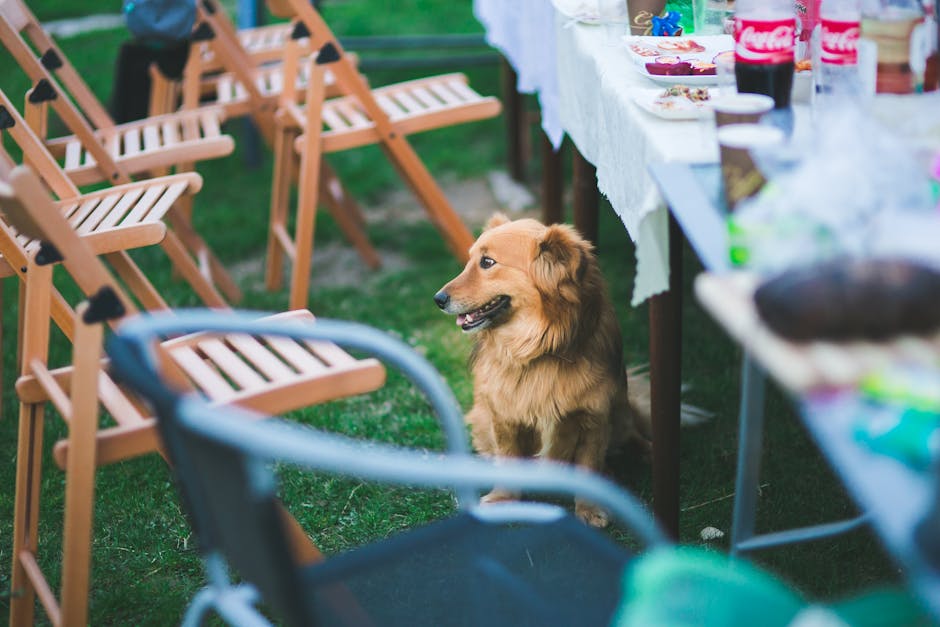

My golden retriever, Benny, nearly ended up at the emergency vet because he wasn’t drinking enough water. I’d been so focused on his food, his walks, his training — water was just… there. In a bowl. On the floor. I assumed he’d drink when he was thirsty.
Turns out, dogs aren’t always great at self-regulating their water intake. Benny had been mildly dehydrated for who knows how long before I noticed his gums were tacky and his skin wasn’t snapping back the way it should. The vet visit cost me $340 and a whole lot of guilt.
So yeah, getting your dog to drink more water matters. Dehydration can lead to urinary tract infections, kidney problems, and in serious cases, organ failure. It’s not dramatic to say that proper hydration is one of the simplest things you can do to keep your dog healthy — and one of the easiest to overlook.
How Much Water Does Your Dog Actually Need?
The general rule is about one ounce of water per pound of body weight per day. So a 50-pound dog should be drinking roughly 50 ounces — that’s over six cups. But here’s where it gets tricky: that number shifts based on activity level, weather, diet, and your dog’s individual quirks.
Dogs eating dry kibble need more water than dogs on wet or raw food. Makes sense — kibble is about 10% moisture while canned food can be 70-80%. If your dog just ran around the yard for an hour in July heat, they’ll need significantly more than on a lazy winter afternoon spent on the couch.
A quick hydration check: gently pinch the skin on the back of your dog’s neck and let go. It should snap back immediately. If it takes a second or two to settle, your dog’s probably dehydrated. Also check their gums — they should be wet and slippery, not dry or sticky.
I started actually measuring Benny’s water intake for a week after that vet scare. Poured a specific amount in the morning, checked how much was left at night. You’d be surprised how eye-opening that simple exercise can be.
Why Some Dogs Don’t Drink Enough
Before you start trying every trick in the book, it helps to understand why your dog might be avoiding their water bowl in the first place.
The Bowl Itself
This one surprised me. Some dogs don’t like the taste or smell of their bowl. Plastic bowls can leach chemicals and develop scratches that harbor bacteria — even after washing. Stainless steel or ceramic bowls are better options. And some dogs are genuinely bothered by the metallic sound of their tags clinking against a steel bowl. I watched my friend’s border collie avoid her water bowl for a week before they figured out the noise was spooking her.
Stale Water
Would you want to drink a glass of water that’s been sitting on your counter since yesterday morning? Dogs have about 1,700 taste buds (compared to our 9,000), but they can absolutely tell the difference between fresh and stale water. Bacteria starts multiplying the moment water sits in a bowl, and on a warm day, it can get funky fast.
Location and Access
If the water bowl is in a high-traffic area, a nervous dog might avoid it. If it’s too close to their food, some dogs won’t touch it — wolves in the wild don’t eat and drink in the same spot, and that instinct hasn’t fully disappeared. If you’ve got a multi-dog household, a submissive dog might not drink if the bowl is in another dog’s “territory.”
Health Issues
Sometimes low water intake signals something medical. Dental pain makes drinking uncomfortable. Nausea from GI problems kills thirst. Certain medications can affect how thirsty a dog feels. If your dog’s water intake drops suddenly and none of the environmental fixes work, get to a vet. Don’t guess with this one.
10 Practical Ways to Get Your Dog Drinking More
Here’s what’s actually worked for me and what I’ve seen work for dozens of dog owners I know. Not everything will work for every dog — try a few and see what sticks.
1. Get a Pet Water Fountain
This was the single biggest game-changer for Benny. Dogs are naturally drawn to moving water — it’s an instinct thing, since flowing water in the wild is generally safer than stagnant pools. I picked up a PetSafe Drinkwell fountain for about $35, and his water intake nearly doubled within the first week.
The constant filtration also keeps the water cleaner and cooler. Just make sure you actually replace the filters on schedule. A dirty fountain is worse than a clean bowl.
2. Add Flavor to the Water
A splash of low-sodium chicken broth or bone broth in the water bowl works wonders. I’m talking a tablespoon or two — you’re flavoring, not making soup. You can also freeze broth into ice cubes and drop a couple in their regular water.
Important: avoid broths with onion or garlic, which are toxic to dogs. Read the label every time, because brands change their recipes. I like to make my own bone broth in big batches and freeze it specifically for this purpose.
3. Switch to a Different Bowl
Try different materials and see if your dog has a preference. Some dogs love ceramic. Others prefer stainless steel. A few of mine over the years have only wanted to drink from a wide, shallow bowl — I think the whisker fatigue thing that cats get might affect some dogs too, especially smaller breeds.
4. Multiple Water Stations
Put bowls in several locations around your house and yard. I’ve got three inside and two outside. The idea is that your dog should never have to go far to find water. This is especially important for older dogs with mobility issues or puppies who get distracted and forget where the bowl is.
5. Add Water to Their Food
This is the stealth method. Pour a quarter cup of warm water over your dog’s kibble and let it soak for a minute. Most dogs don’t mind — some actually prefer it. You’re sneaking in extra hydration without them even noticing.
For raw feeders, you can add a splash of water or broth to meals too. I’ve done this with every dog I’ve owned and it’s the most reliable method on this list.
6. Ice Cubes as Treats
Some dogs go absolutely nuts for ice cubes. Benny treats them like the world’s best snack. They’re hydrating, zero calories, and keep dogs entertained for a few minutes. You can level this up by freezing small treats inside ice cubes or making frozen broth cubes.
Fair warning though — if your dog is a gulper who tries to swallow ice cubes whole, stick with crushed ice or small chips. You don’t want a choking situation.
7. Keep It Fresh
Change the water at least twice a day. I do morning and evening, same time I feed. It takes ten seconds and makes a noticeable difference. On hot days, I’ll change it three times and add a couple of ice cubes to keep it cool.
8. Try Fruit and Veggie Snacks
Watermelon is 92% water and most dogs love it. Cucumber is another great option — low calorie and super hydrating. Blueberries, strawberries, and seedless apple slices all add moisture too.
Just stay away from grapes and raisins (toxic), and remove all seeds and pits. I keep a container of cut watermelon cubes in the fridge during summer specifically as dog treats.
9. Make It a Game
Splash your hand in the water bowl. Drop a small toy in there. Some dogs will bob for treats in their water bowl like it’s a party game. This works especially well with playful breeds and puppies who are still figuring out the whole water thing.
10. Time It With Exercise
Offer water immediately after walks, play sessions, or training. Dogs are more receptive to drinking when they’re warm and panting. I carry a collapsible silicone bowl (the Ruffwear one has lasted me three years) on every walk longer than 20 minutes.
Special Considerations by Life Stage
Not every dog needs the same hydration approach. Age changes things.
| Life Stage | Water Needs | Key Notes |
|---|---|---|
| Puppies (under 1 year) | ~½ cup every 2 hours | Monitor closely; puppies dehydrate fast and forget to drink when playing |
| Adult dogs | 1 oz per pound per day | Adjust for activity, weather, and diet type |
| Senior dogs (7+ years) | Same baseline, but watch closely | Kidney function declines; some seniors drink more, some less |
| Nursing mothers | 2-3x normal intake | Milk production demands massive hydration |
Puppies need special attention because they’re terrible at regulating themselves. They’ll play until they collapse before they’ll stop to drink. With my last puppy, I set phone alarms every two hours to offer water — annoying, but it kept her hydrated during those chaotic first months.
Senior dogs are tricky in the opposite direction. My old lab mix started drinking way more than usual around age 10 — turned out to be early kidney disease. Increased thirst in an older dog isn’t something to celebrate. It’s a reason to call your vet.
When to Worry
Normal fluctuations in water intake happen. Hot day? They drink more. Lazy Sunday? Less. That’s fine. But there are some signs that should get your attention fast.
See your vet if you notice:
- A sudden, significant increase or decrease in drinking
- Dry, pale, or sticky gums
- Skin tenting (the pinch test I mentioned earlier)
- Dark yellow or orange urine
- Lethargy combined with low water intake
- Vomiting or diarrhea alongside reduced drinking
Dehydration can go from “eh, they’ll be fine” to “emergency vet visit” faster than you’d think. I’ve learned to trust my gut on this one — if something feels off about how much your dog is or isn’t drinking, it’s worth a call to the vet. A phone consultation is usually free and could save you a lot of money and heartache down the road.
The Water Bowl Hygiene Thing Nobody Talks About
Here’s something that grosses me out now that I know about it: a 2022 NSF International study found that pet bowls are the fourth germiest item in the average home. Fourth. After kitchen sponges, sinks, and toothbrush holders. We’re talking coliform bacteria, yeast, mold — all happily growing in that bowl you rinse out once a day.
Wash your dog’s water bowl daily with hot, soapy water. Not just a rinse — actually scrub it. That pink slimy film that builds up? That’s biofilm, a colony of bacteria. It forms within 24-48 hours in a standing water bowl.
I run mine through the dishwasher every other day and hand-wash on the off days. Since I started doing this, Benny drinks noticeably more. I think he could taste the difference all along and I was just being lazy about it.
Quick bowl cleaning checklist:
- Daily: hot water and dish soap scrub
- Weekly: diluted white vinegar soak (10 minutes) or dishwasher cycle
- Monthly: replace plastic bowls; inspect ceramic for chips where bacteria hide
- Always: rinse thoroughly so no soap residue remains
Frequently Asked Questions
How can I tell if my dog is dehydrated?
The fastest check is the skin elasticity test — pinch the skin at the back of their neck and release. It should snap back within one second. Also check their gums: healthy hydration means moist, pink gums. Tacky or dry gums are a red flag. Other signs include sunken eyes, excessive panting, loss of appetite, and thick saliva. If you’re seeing multiple symptoms, don’t wait — call your vet that day.
Is it okay to add things to my dog’s water?
Absolutely, with some caveats. Low-sodium chicken or bone broth is great — just make sure there’s no onion, garlic, or excessive salt in the ingredients. A small splash of goat’s milk is another option some dogs love. Avoid anything with artificial sweeteners, especially xylitol, which is fatally toxic to dogs. And always keep a bowl of plain water available too, so they have a choice.
Should I limit my dog’s water intake at night?
Picking up the water bowl 2-3 hours before bedtime is common advice for house-training puppies, and it’s generally fine. But for adult dogs, I’d leave water available 24/7 unless your vet specifically tells you otherwise. Dogs with certain health conditions — diabetes, kidney disease, Cushing’s — need constant access to water. Restricting it could be dangerous.
My dog only drinks from the toilet. How do I stop that?
Ha — classic dog move. Toilet water is actually appealing to dogs because it’s cool, frequently refreshed, and the porcelain keeps it cold. To break the habit, keep toilet lids down (always), make their regular water more appealing with a fountain or flavor boost, and keep their bowl water fresh and cold. If they’re choosing the toilet over their bowl, it’s usually a sign their bowl water isn’t up to their standards.
Can dogs drink too much water?
Yes, and it’s called water intoxication or hyponatremia. It’s rare but dangerous — most often happens during water play when dogs swallow large amounts while fetching balls from lakes or pools. Symptoms include bloating, vomiting, loss of coordination, and seizures. If you notice these after water play, it’s an emergency. For day-to-day life though, most dogs won’t overdrink. If your dog is constantly at the water bowl and can’t seem to get enough, that points to a medical issue like diabetes or kidney disease — worth investigating.
Wrapping Up
Getting your dog to drink more water doesn’t have to be complicated. Start with the basics: fresh water, clean bowl, good location. Then experiment — try a fountain, add some broth, toss in ice cubes, sneak water into their food. Most dogs respond to at least one or two of these methods.
The thing I wish someone had told me years ago is to actually pay attention to how much your dog drinks. Not obsessively, but enough to know what’s normal for them. Because when something changes — and eventually it will — you want to catch it early. Benny’s doing great now, by the way. He’s become a full-on water fountain snob and won’t touch standing water, which honestly feels like a win.
Featured Image Source: Pexels