

Your puppy cowers behind your legs at the sight of a stranger. Or maybe she flattens herself against the ground when a truck rumbles past. You’ve read all the advice about socializing puppies early — but nobody told you what to do when your puppy is genuinely scared of everything.
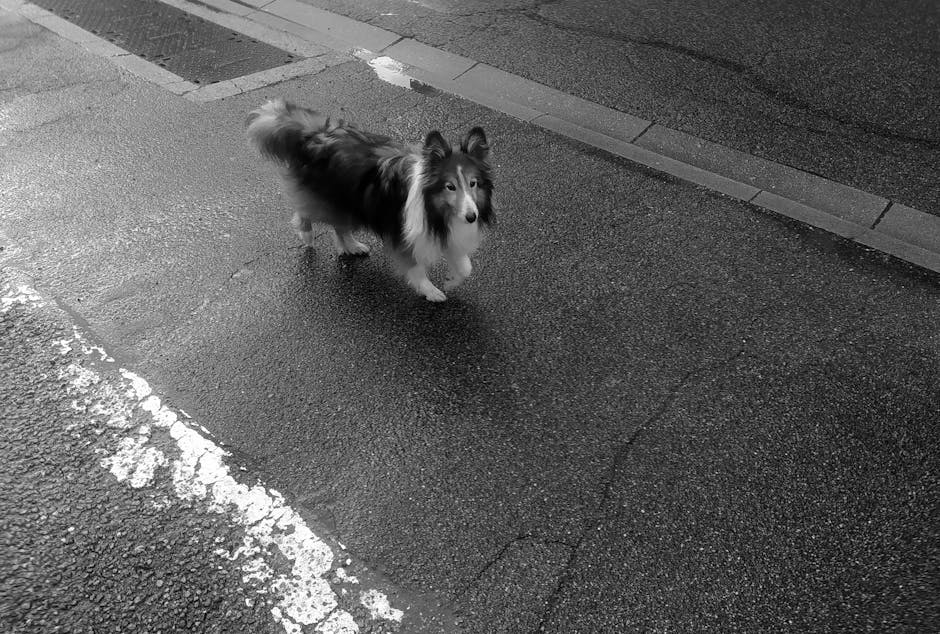
I’ve been there. My friend’s Sheltie puppy, Opal, spent her first three weeks in the house hiding under the kitchen table. Not sleeping under it. Hiding. Every new sound, every visitor, every gust of wind through an open window sent her scrambling. The generic “just expose them to new things!” advice you find everywhere? That would have destroyed that dog’s confidence entirely.
If you’re wondering how to socialize a shy puppy, the approach is fundamentally different from what works with a bold, bouncy Lab pup. You need a plan built around your dog’s fear — not one that ignores it. Here’s what actually works.
Signs Your Puppy Is Shy vs. Just Cautious
First, let’s get something straight. A puppy who pauses before approaching something new isn’t shy. That’s cautious. That’s actually healthy. The puppies I’m talking about are the ones who shut down, retreat, or panic when faced with normal everyday stimuli.
There’s a real difference, and mixing them up leads people to either coddle a perfectly normal puppy or push a terrified one way too hard.
Body Language of a Fearful Puppy
A truly shy or fearful puppy will show several of these signs — often stacked together:
- Whale eye — you can see the whites of their eyes as they look sideways at the scary thing
- Tucked tail — not just low, but pressed tight against their belly
- Lip licking and yawning — when they’re not tired or hungry, these are stress signals
- Cowering or crouching — making themselves as small as possible
- Trembling — full-body shaking that isn’t from cold
- Attempting to flee — pulling on the leash, scrambling behind you, bolting for the door
- Freezing — going completely still and rigid, which people often mistake for “being good”
That last one is the sneaky one. I’ve seen owners at puppy classes say “oh, she’s being so calm!” while their puppy is literally frozen in terror. A calm puppy has loose body language — soft eyes, relaxed mouth, maybe a gentle tail wag. A frozen puppy looks like a statue. Big difference.
If your puppy shows three or more of these signals in everyday situations — not just at the vet or during fireworks — you’re dealing with a shy puppy who needs a specialized approach.
When Shyness Signals a Deeper Issue
Most shy puppies are just temperamentally sensitive. But sometimes the fear runs deeper.
Puppies from puppy mills or hoarding situations often missed their entire critical socialization window (8–16 weeks, based on Dr. Ian Dunbar’s research). They weren’t just undersocialized — they were actively traumatized. Rescue puppies who spent their early weeks in a shelter environment can fall into this category too.
Watch for these red flags that suggest you need professional help sooner rather than later:
- Aggression when cornered or surprised (snapping, growling with hard eyes)
- Complete refusal to eat — even high-value treats — in any new environment
- No improvement after 2–3 weeks of patient, gentle exposure
- Panic that escalates rather than decreases over repeated calm exposures
- Self-harming behaviors like excessive licking or tail-chasing when stressed
If you’re seeing those, skip ahead to the section on veterinary behaviorists. Your puppy may need more than training — she may need medical support alongside behavioral work.
The Threshold Method for Shy Puppies
This is the single most important concept for anyone learning how to socialize a shy puppy. Every dog has a threshold — a distance or intensity level where they notice something scary but can still think, still take treats, still respond to you.
Below threshold: your puppy sees the scary thing but can cope. Above threshold: full panic mode, learning stops completely.
Your entire job is to keep your puppy below threshold while gradually — painfully gradually sometimes — shrinking that distance.
Finding Your Puppy’s Comfort Distance
Here’s how I figure this out in practice. Let’s say your puppy is scared of strangers.
- Have a friend stand at the far end of your street — maybe 50 feet away
- Walk your puppy outside and let her notice the person
- Watch her body language. Ears forward with curiosity? You’re below threshold. Tail tucked and pulling backward? Too close.
- Find the distance where she notices but doesn’t panic. That’s your starting line.
For Opal, that distance was about 30 feet for strangers. For my neighbor’s rescue Chihuahua mix? It was closer to 60 feet. Every dog is different. Don’t compare your puppy to anyone else’s.
Write this distance down. You’ll track it over the coming weeks, and watching that number shrink is genuinely one of the most rewarding things in dog training.
Counter-Conditioning with High-Value Treats
Counter-conditioning is the gold standard for timid puppy socialization — and it’s beautifully simple. You’re teaching your puppy that scary thing = amazing food.
Not kibble. Not milk bones. I’m talking the good stuff:
| Treat Type | Why It Works | Best For |
|---|---|---|
| Tiny pieces of boiled chicken | High value, easy to eat fast | General counter-conditioning |
| Squeeze cheese (from a tube) | Continuous licking keeps them engaged | Sustained scary situations |
| Freeze-dried liver | Intensely smelly, most dogs go crazy for it | Puppies who are picky eaters |
| Baby food (meat flavor, no onion/garlic) | Can lick from a spoon — very soothing | Extremely fearful puppies |
The protocol is dead simple:
- Scary thing appears at a safe distance → immediately start feeding high-value treats
- Scary thing disappears → treats stop
- Repeat. A lot.
Over time, your puppy’s brain literally rewires. Instead of “stranger = danger,” it becomes “stranger = chicken happens.” I’ve watched this transformation dozens of times and it still amazes me. The moment a previously terrified puppy perks up at the sight of a stranger because they’ve learned it means good things — that’s magic.
The critical rule: treats come AFTER the scary thing appears, not before. If you’re shoveling food in your dog’s mouth before they’ve noticed the trigger, you’re just feeding them. The timing matters.
Week-by-Week Socialization Plan for Shy Puppies
This plan assumes your puppy is between 8–16 weeks old. If your puppy is older, the same principles apply — just expect slower progress and be even more patient. Older fearful puppies can absolutely improve, but the timeline stretches.
Week 1 — Home Environment Only
Don’t go anywhere. Seriously.
The first week is about making your home feel completely safe. This is your puppy’s fortress, the place where nothing bad ever happens.
- Let your puppy explore every room at her own pace. Don’t carry her around — let her choose
- Play gentle sounds at low volume: traffic noise, doorbell sounds, children laughing. YouTube has great playlists for puppy desensitization. Keep the volume barely audible at first
- Handle her body gently every day: touch paws, ears, tail, mouth. Pair every touch with a treat
- Keep the household calm. No parties, no loud arguments, no vacuum cleaner right next to her
By the end of week one, your puppy should be moving through your home with a relaxed body and eating meals without looking over her shoulder. If she’s not there yet, stay on week one. The timeline is a guide, not a deadline.
Week 2 — One New Person at a Time
Now we add humans. One at a time. Not two, not a group. One.
Have a calm friend visit. Give them the rules before they arrive:
- No direct eye contact with the puppy
- No reaching toward the puppy
- No high-pitched baby voice (I know, I know — but it’s overwhelming for shy pups)
- Sit on the floor sideways to the puppy. Ignore her completely
- Toss treats gently in the puppy’s direction without looking at her
Most shy puppies will start approaching within 10–15 minutes if the person follows these rules. Some take longer. Opal took 45 minutes during her first visitor session. But she did eventually creep forward to sniff a shoe, and we celebrated that like she’d won Best in Show.
Do this with 2–3 different people over the week. Vary ages and appearances if you can — someone in a hat, someone with a deeper voice, someone taller.
Week 3 — Controlled Outdoor Exposure
Time to leave the fortress. But strategically.
Pick the quietest time and place you can find. An empty parking lot at 6 AM. A quiet residential street during work hours. A park bench far from the playground.
Your job this week:
- Sit somewhere with your puppy and just watch the world go by
- Use counter-conditioning whenever something appears (person walking, car passing, bird landing)
- Keep sessions short — 10 to 15 minutes maximum
- Leave before your puppy gets stressed, not after. End every session on a win
If your puppy hits threshold — ears back, pulling to leave — calmly increase distance. No drama. No “it’s okay, it’s okay” in a worried voice (your anxiety transfers straight down the leash). Just matter-of-fact move farther away, let her decompress, and try again from the safer distance.
Three to four outdoor sessions this week is plenty. More isn’t better when you’re working with a fearful puppy.
Week 4 — Calm Dog Introductions
This is where people rush and mess everything up. Your shy puppy does NOT need to meet every dog on the block.
She needs to meet one. Maybe two. And they need to be the right dogs.
The ideal first dog friend for a timid puppy:
- Adult dog (not another puppy — too unpredictable)
- Calm, gentle temperament — the dog who ignores puppies rather than mobbing them
- Good bite inhibition and clear body language
- Vaccinated and healthy (obviously)
Set up a parallel walk first. Two handlers, two dogs, same direction, 15–20 feet apart. Let them see each other without interacting. Over 10–15 minutes, gradually close the gap if both dogs are relaxed.
If and when they’re close enough to sniff — keep it to 3 seconds. Then cheerfully call your puppy away and reward. Short, positive interactions build confidence. Marathon play sessions overwhelm shy puppies.
Socialization Mistakes That Make Shy Puppies Worse
I get genuinely frustrated watching well-meaning owners sabotage their own progress. These are the big ones.
Why ‘Flooding’ Backfires
Flooding means forcing your puppy to endure the scary thing until they “get used to it.” Taking a noise-phobic puppy to a fireworks show. Bringing a stranger-shy puppy to a crowded farmer’s market. The logic sounds reasonable — they’ll see nothing bad happens and get over it.
But here’s what the research actually shows: flooding increases cortisol (the stress hormone) dramatically, and repeated cortisol spikes during the critical development period can permanently alter a puppy’s stress response. You’re not building tolerance. You’re building a dog who has learned that you’ll put them in terrifying situations they can’t escape.
A puppy who “shuts down” and stops reacting during flooding hasn’t gotten over their fear. They’ve entered a state called learned helplessness. It looks like calm. It’s the opposite.
The difference between counter-conditioning and flooding comes down to choice. In counter-conditioning, your puppy can always retreat. In flooding, they can’t. That distinction changes everything.
The Dog Park Trap
I will die on this hill: dog parks are terrible for shy puppies. I don’t care how nice your local one seems.
Here’s the problem. Dog parks are uncontrolled environments. You cannot predict which dogs will show up, how they’ll behave, or whether their owners will intervene if things go wrong. For a confident, well-socialized adult dog, that unpredictability is manageable. For a fearful puppy who’s learning whether the world is safe? One bad experience — one rough dog who pins them, one big dog who charges — can undo weeks of careful progress.
Instead, look for:
- Small, controlled puppy classes run by a certified trainer (look for CPDT-KA or CAAB credentials)
- Arranged playdates with known, gentle dogs in a fenced yard
- “Puppy social hours” at training facilities where dogs are matched by temperament, not just size
These give you the socialization benefits without the chaos. And if your puppy is truly fearful, talk to the class instructor beforehand. Good trainers will work with you on modified participation — maybe watching from the sidelines at first rather than jumping into the group.
Breeds More Prone to Puppy Shyness
Any puppy can be shy. Genetics loads the gun and environment pulls the trigger, as the saying goes. But some breeds show up in veterinary behaviorist offices more often than others.
| Breed | Notes |
|---|---|
| Shetland Sheepdog | Bred to be alert and reactive; shyness is a common temperament variation |
| Chihuahua | Small size means the world feels bigger and scarier; often undersocialized because owners carry them |
| Border Collie | Intensely sensitive to environmental stimuli; can become overwhelmed fast |
| Australian Shepherd | Similar sensitivity to Border Collies; reserved with strangers is a breed trait |
| Whippet / Italian Greyhound | Sight hounds tend toward nervousness; delicate temperament |
| Akita | Naturally reserved; can tip into fearfulness without early socialization |
| Rescue/Mill puppies (any breed) | Missed critical socialization windows; may have trauma history |
If your breed is on this list, don’t panic. It just means you should start socialization planning before the puppy comes home. Talk to your breeder about their early socialization protocol. Good breeders start the Puppy Culture or Avidog programs from day three — and that head start makes an enormous difference for sensitive breeds.
When to Hire a Veterinary Behaviorist
Regular trainers are great for teaching sit and stay. But fearful puppy training tips from a general obedience trainer can sometimes make things worse if they’re not experienced with anxiety-based behaviors.
A veterinary behaviorist (DACVB credential) is a veterinarian with additional years of specialty training in animal behavior. They can prescribe medication if needed, design behavior modification plans, and differentiate between behavioral shyness and medical issues (like pain or neurological problems) that can mimic fearfulness.
Consider hiring one if:
- Your puppy’s fear is severe — she can’t function normally outside your home
- You’ve followed a structured plan for 4+ weeks with zero improvement
- Your puppy is showing fear-based aggression (growling, snapping when scared)
- You suspect your puppy came from a puppy mill, hoarding situation, or had early trauma
- Your regular vet suggests it
Expect to pay $200–$500 for an initial behavioral consultation, depending on your area. It’s not cheap. But a veterinary behaviorist at 14 weeks can prevent years of expensive, heartbreaking problems. I’ve seen it save dogs who seemed like lost causes.
Your vet can refer you, or search the directory at the American College of Veterinary Behaviorists (DACVB.org).
Frequently Asked Questions
How long does it take to socialize a shy puppy?
Every puppy is different, but plan for 4–8 weeks of consistent, daily work to see meaningful improvement. Puppies still in the critical socialization window (under 16 weeks) typically progress faster. Older puppies and rescues may take 3–6 months. The key is steady improvement over time, not a dramatic overnight change.
Can you socialize an older shy dog, or is it too late?
It’s never too late to improve a dog’s comfort level, but it does get harder after the critical window closes. Dogs over 6 months can absolutely make progress with counter-conditioning and patience — I’ve seen terrified adult rescues become genuinely happy, social dogs. Just adjust your expectations. An adult dog who was never socialized as a puppy may never be the life of the party, but they can learn to be comfortable and relaxed in everyday situations.
Should I comfort my scared puppy or ignore the fear?
Neither extreme. Don’t scoop them up and coo “it’s okay, it’s okay” — that can actually reinforce the fear response. But don’t ignore them either. Be calm, matter-of-fact, and create distance from whatever scared them. A cheerful “let’s go this way!” while moving away from the trigger gives your puppy a coping strategy and shows them you’ve got the situation handled.
Is my puppy shy or just not socialized yet?
A puppy who hasn’t been socialized will typically warm up to new experiences within a few minutes once they realize nothing bad is happening. A truly shy or fearful puppy stays stressed or escalates even with repeated, gentle exposure. If your puppy bounces back quickly, you probably just need standard socialization. If she stays shut down or panicky, use the shy puppy approach outlined in this guide.
Do shy puppies grow out of it?
Some mild shyness does improve naturally as puppies mature — around 6 to 8 months, many puppies gain confidence simply from life experience. But moderate to severe shyness almost never resolves on its own. Without intervention, it usually gets worse as the puppy enters adolescence (around 5–8 months) and hits a second fear period. Early, structured socialization gives your shy puppy the best chance at becoming a confident adult dog.
A shy puppy isn’t a broken puppy. She’s a puppy who needs you to be patient, strategic, and willing to go at her pace instead of yours. The threshold method, counter-conditioning, and a structured week-by-week plan will get you there — I’ve watched it work too many times to doubt it.
Start small. Celebrate every tiny win. And remember that the puppy hiding under your kitchen table today can become the dog who greets visitors with a wagging tail six months from now. It just takes someone willing to do it right.
Featured Image Source: Pexels