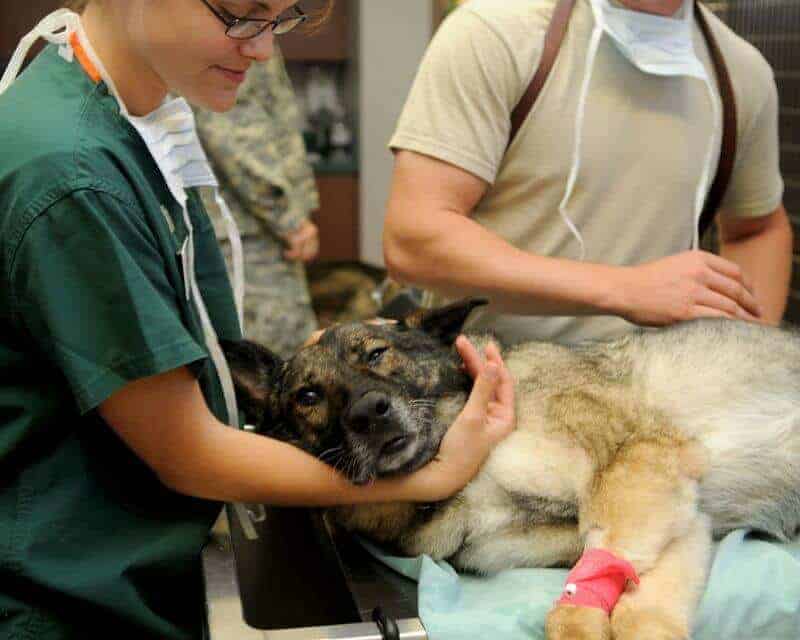

My first encounter with intestinal parasites was about twelve years ago, with my Lab mix, Duke. He’d been a little off for a few days — softer stools, less enthusiasm at dinner — and I figured he’d eaten something weird at the dog park. Spoiler: he had roundworms. The vet showed me what came out after treatment, and I’ll spare you the details, but let’s just say I never ignored a subtle change in his poop again.
Here’s the thing most dog owners don’t realize: intestinal parasites in dogs are incredibly common. We’re not talking about some rare tropical disease. The Companion Animal Parasite Council estimates that a significant percentage of dogs will carry some form of intestinal parasite at any point during their lives. Puppies are even more vulnerable — many are actually born with them.
And yet, so many people don’t think about parasites until there’s a visible worm in the stool or their dog is visibly sick. By then, you’ve got a problem that could’ve been prevented with a $15 monthly preventative. Let me walk you through everything I’ve learned the hard way — and from picking my vet’s brain more times than she probably appreciates.
The Most Common Intestinal Parasites in Dogs
Not all worms are created equal. Some are a mild nuisance; others can genuinely threaten your dog’s life, especially in puppies or immunocompromised dogs.
Roundworms (Toxocara canis)
These are the big ones — literally. Adult roundworms can grow 3-7 inches long and look like spaghetti. Disgusting, I know. They’re the most common intestinal parasite in dogs, and puppies often get them from their mother either in the womb or through nursing.
I’ve seen roundworms firsthand more than once. They’re the ones most likely to show up in vomit or stool, which is usually how owners first notice a problem.
Hookworms
Smaller than roundworms but nastier in some ways. Hookworms attach to the intestinal lining and feed on blood. In puppies, a heavy hookworm infection can cause life-threatening anemia fast. They can also penetrate through your dog’s skin — typically through the paws when walking on contaminated soil.
Whipworms
These guys live in the large intestine and cecum. They’re harder to detect because they shed eggs intermittently, so a single fecal test might miss them. Whipworm infections tend to be chronic and frustrating — your dog might have on-and-off diarrhea for weeks before you get a positive test.
Tapeworms
You’ll usually spot these before your vet does. Tapeworm segments look like grains of rice around your dog’s rear end or in their stool. The most common type, Dipylidium caninum, comes from swallowing infected fleas. So if your dog has fleas, tapeworms are often right behind.
Giardia and Coccidia
Technically protozoans, not worms, but they cause plenty of intestinal trouble. Giardia is waterborne — think puddles, streams, shared water bowls at the dog park. Coccidia tends to hit puppies hardest, especially in shelter or breeder environments where dogs are close together.
Symptoms to Watch For
This is where it gets tricky. Mild infections can show zero symptoms. Your dog might be carrying roundworms right now and acting completely normal. That’s why annual fecal tests matter even if your dog seems fine.
But when symptoms do show up, here’s what to look for:
- Diarrhea — sometimes with blood or mucus, sometimes just persistently soft
- Vomiting — occasionally with visible worms (roundworms especially)
- Weight loss despite a normal appetite
- A dull, rough coat that doesn’t improve with diet changes
- Scooting — dragging their rear on the ground (often tapeworms)
- Pot-bellied appearance in puppies
- Lethargy and general “off” behavior
- Visible worms in stool or around the anus
With Duke, it was the coat that tipped me off first. He’d always had this glossy black coat, and it just started looking… flat. Then came the loose stools. I initially blamed a new treat I’d been giving him. It wasn’t the treats.
One thing I want to stress: don’t wait for dramatic symptoms. If your dog’s energy dips for more than a couple of days, or their stool consistency changes and stays changed, get a fecal sample to your vet. It’s a cheap test — usually $25-$50 — and it gives you answers fast.
How Dogs Get Infected
Understanding the transmission routes honestly changed how I manage my dogs’ outdoor time. It’s not about being paranoid. It’s about being smart.
| Route | Parasites | Where It Happens |
|---|---|---|
| Ingesting contaminated soil or feces | Roundworms, hookworms, whipworms | Dog parks, yards, trails |
| Mother to puppy (transplacental/transmammary) | Roundworms, hookworms | Before and after birth |
| Swallowing infected fleas | Tapeworms | Anywhere fleas exist |
| Contaminated water | Giardia | Puddles, ponds, communal bowls |
| Skin penetration (paws) | Hookworms | Contaminated soil, sandy areas |
| Eating infected prey | Tapeworms, roundworms | Hunting, catching rodents |
Dog parks are honestly ground zero. I still take my dogs — they need socialization and exercise — but I’m a lot more vigilant about what they’re sniffing and whether they’re eating things off the ground. My current dog, Benny, is a scavenger by nature. He’d eat a mysterious lump of anything if I let him. I don’t let him.
Puppies from breeders and shelters alike should be assumed to have parasites until proven otherwise. Good breeders deworm puppies starting at 2 weeks old, repeating every two weeks until they’re on a monthly preventative. If your breeder isn’t doing this, that’s a red flag.
Diagnosis: What Your Vet Actually Does
A fecal exam is the gold standard. Your vet takes a small stool sample, mixes it with a solution, and uses a centrifuge or flotation method to separate parasite eggs from the rest of the… material. They examine it under a microscope.
Simple. Effective. But not perfect.
Here’s what most people don’t know: a single fecal test can miss an infection. Some parasites, especially whipworms and giardia, shed eggs or cysts intermittently. If your dog is symptomatic but the first test comes back clean, ask your vet to retest in a week or two. I’ve had this happen — negative test, symptoms persisted, second test came back positive for giardia.
Some vets now use PCR-based fecal panels that detect parasite DNA rather than relying on finding eggs. These are more sensitive and can catch infections earlier. They cost more — usually $80-$150 — but if you’re dealing with persistent symptoms and negative standard tests, they’re worth asking about.
For tapeworms, the fecal float often misses them entirely. Tapeworm diagnosis is usually visual — you or your vet spots the segments. So if you see those rice-grain things, bring your dog in even if a recent fecal was negative.
Treatment Options
The good news: most intestinal parasites in dogs are very treatable. The bad news: there’s no single drug that kills everything.
Dewormers by Parasite Type
- Roundworms and hookworms: Pyrantel pamoate (Nemex) or fenbendazole (Panacur). Pyrantel is cheap, effective, and available over the counter. Fenbendazole is broader spectrum and requires 3-5 consecutive days of dosing.
- Whipworms: Fenbendazole is the go-to. Treatment usually needs to be repeated at 3 weeks and again at 3 months because whipworm eggs are incredibly resilient in the environment.
- Tapeworms: Praziquantel. Period. Don’t bother with over-the-counter dewormers that claim to treat tapeworms but use different active ingredients — praziquantel is what works. One dose usually does it.
- Giardia: Fenbendazole for 5 days, sometimes combined with metronidazole. Giardia can be stubborn. I had to do two rounds with Benny before it cleared.
- Coccidia: Sulfadimethoxine (Albon) for 10-21 days, or ponazuril as a shorter-course alternative.
Don’t self-diagnose and self-treat. I know it’s tempting to grab an over-the-counter dewormer and skip the vet visit. But if you’re treating for roundworms and the problem is actually giardia, you’ve wasted time and money while your dog stays sick. Get the fecal test. Then treat appropriately.
What to Expect After Treatment
Your dog might have looser stools for a day or two after deworming. That’s normal. You might also see dead worms in their stool — also normal, if unpleasant. Make sure they have plenty of water and keep their eating schedule consistent.
For heavy infections in puppies, watch closely for signs of intestinal blockage after treatment. A large die-off of worms can occasionally cause issues. Your vet can advise on whether to stagger treatment for severe cases.
Prevention: The Stuff That Actually Matters
Monthly preventatives are non-negotiable. Full stop.
Most heartworm preventatives — Heartgard, Interceptor Plus, Simparica Trio — also cover common intestinal parasites. So if your dog is already on monthly heartworm prevention (which they should be), you’re getting intestinal parasite protection as a bonus.
Here’s a quick comparison:
| Preventative | Heartworm | Roundworms | Hookworms | Whipworms | Tapeworms |
|---|---|---|---|---|---|
| Heartgard Plus | Yes | Yes | Yes | No | No |
| Interceptor Plus | Yes | Yes | Yes | Yes | Yes |
| Simparica Trio | Yes | Yes | Yes | No | No |
| Sentinel Spectrum | Yes | Yes | Yes | Yes | Yes |
I switched to Interceptor Plus about three years ago specifically because it covers whipworms and tapeworms. The extra coverage costs about $5 more per month. Worth it.
Beyond medication, practical prevention matters too:
- Pick up poop immediately in your yard. Parasite eggs need 1-14 days to become infective, so prompt cleanup breaks the cycle.
- Don’t let your dog drink from puddles or stagnant water. Bring a collapsible bowl on walks.
- Keep up with flea prevention. No fleas, no flea tapeworms.
- Annual fecal tests — even if your dog is on preventatives. No drug is 100%.
- Wash your hands after handling dog waste. Some of these parasites are zoonotic.
The Human Risk: Yes, You Can Get Them Too
I don’t say this to scare you, but you should know. Several dog parasites can infect humans, particularly children.
Roundworm larvae can migrate through human tissue and cause a condition called visceral larva migrans. In rare cases, the larvae end up in the eyes (ocular larva migrans), which can affect vision. This mostly happens in young kids who play in contaminated soil and put their hands in their mouths.
Hookworm larvae can penetrate human skin and cause cutaneous larva migrans — itchy, red, winding tracks under the skin. Walking barefoot in areas where infected dogs have pooped is the typical scenario.
Giardia strains from dogs don’t commonly infect humans, but it’s not impossible.
This is one more reason to keep your dog on preventatives and pick up after them. It’s not just about your dog’s health — it’s about your family’s.
Frequently Asked Questions
How often should I have my dog’s stool tested for parasites?
At least once a year, even if they’re on monthly preventatives and showing no symptoms. Puppies should be tested more frequently — at every vet visit during their first year. If your dog has chronic GI issues or you’ve recently adopted from a shelter, I’d push for testing every 6 months until you’ve got a clean baseline.
Can I see intestinal parasites in my dog’s stool?
Sometimes. Adult roundworms and tapeworm segments are visible to the naked eye. But hookworms, whipworms, and microscopic parasites like giardia? Nope. You’ll never spot those without a lab test. A clean-looking stool doesn’t mean a parasite-free dog.
Are over-the-counter dewormers safe and effective?
Some are. Pyrantel pamoate (the active ingredient in Nemex-2) is safe and effective for roundworms and hookworms. But many OTC products make broad claims while only covering limited parasite types. And none of them diagnose what your dog actually has. I’d always recommend getting a fecal test first so you’re treating the right thing. Randomly deworming is like taking antibiotics without knowing what infection you have.
How quickly do dewormers work?
Most start killing parasites within 24 hours. You may see dead worms in stool within 1-3 days. But “killing the adults” isn’t the whole picture — many treatments need to be repeated in 2-3 weeks to catch newly hatched larvae that weren’t affected by the first dose. Follow your vet’s full treatment protocol, even if symptoms resolve quickly.
Can my dog get reinfected after treatment?
Absolutely. Treatment kills existing parasites but doesn’t prevent reinfection. If the source of infection is still around — contaminated yard soil, dog park exposure, ongoing flea problems — your dog can pick them up again right away. That’s why ongoing prevention and environmental cleanup matter just as much as treatment.
Wrapping Up
Intestinal parasites aren’t glamorous, and nobody wants to talk about their dog’s poop at dinner parties. But staying on top of this stuff is one of the simplest things you can do to keep your dog healthy and your vet bills low. Monthly preventatives, annual fecal tests, and basic hygiene practices — that’s really the core of it.
I’ve dealt with roundworms, giardia, and a tapeworm scare over my years of dog ownership. Every single time, early detection and proper treatment resolved it without drama. The cases that turn serious are almost always the ones where prevention lapsed or symptoms got ignored for too long.
Keep your dog on their monthly meds. Pick up the poop. And if something seems off, get that fecal sample in. Your dog — and your carpet — will thank you.
Featured Image Source: Pexels