

My old Golden Retriever, Benny, started doing this thing around age 12 where he’d walk into the kitchen and just… stand there. Staring at the fridge like it owed him money. At first it was funny. Then it wasn’t.
He was showing early signs of canine cognitive dysfunction — basically dog dementia. And I wish I’d known then what I know now about how to prevent dog dementia, because a lot of it comes down to keeping their brains active before the decline sets in.
The good news? You can genuinely slow this down. Not with some magic pill (though there are medications that help), but with everyday things — games, food choices, walks, social time. The kind of stuff that doesn’t cost much but makes a real difference in your senior dog’s quality of life.
Understanding Canine Cognitive Dysfunction (Dog Dementia)
Canine Cognitive Dysfunction, or CCD, is a neurodegenerative condition similar to Alzheimer’s in humans. The brain accumulates beta-amyloid plaques, neurons die off, and your dog gradually loses cognitive function. It’s not just “getting old.” It’s a specific, diagnosable condition — and it’s way more common than most owners realize.
How Common Is It?
The numbers are honestly pretty alarming:
| Age Range | Percentage Affected |
|---|---|
| 11-12 years | 28% |
| 13-14 years | 50%+ |
| 15-16 years | 68% |
So by the time your dog hits their mid-teens, the odds are roughly two in three that they’re dealing with some degree of cognitive decline. And those are just the diagnosed cases. Plenty of owners chalk it up to “old age” and never mention it to their vet.
The frustrating part? Most dogs don’t get screened for CCD at routine checkups. You have to bring it up. And the earlier you catch it, the more you can do.
Early Signs: The DISHA Acronym
Vets use the DISHA acronym to identify CCD symptoms. Here’s what to watch for:
D — Disorientation. Getting stuck in corners. Going to the wrong side of the door. Staring at walls. Benny’s kitchen episodes fell squarely into this category.
I — Interaction changes. Your social butterfly suddenly doesn’t greet you at the door. Or your independent dog becomes clingy and anxious when you leave the room.
S — Sleep-wake cycle disruption. This is the one that wrecks owners. Your dog paces at 3 AM, whines, can’t settle. They sleep all day and roam all night.
H — House soiling. A fully housetrained dog starts having accidents. Not because of a UTI or physical issue — they literally forget they’re supposed to go outside.
A — Activity changes. Less interest in toys, food, or play. Repetitive behaviors like circling. Or just… zoning out.
If you’re seeing two or more of these in your senior dog, talk to your vet. Don’t wait.
Daily Mental Enrichment Activities
Here’s the core principle: a dog’s brain works like a muscle. Use it or lose it. And the research backs this up — dogs who get regular mental stimulation show significantly slower cognitive decline than dogs who don’t. Senior dog mental stimulation isn’t optional. It’s maintenance.
Puzzle Feeders and Food-Dispensing Toys
Ditch the regular food bowl. Seriously. Every meal is an opportunity for brain work, and you’re wasting it by dumping kibble into a dish.
Start simple. A Kong stuffed with peanut butter and frozen overnight is beginner-level enrichment. A snuffle mat scattered with kibble forces your dog to use their nose and problem-solve. From there, you can move to actual puzzle feeders — the ones with sliding compartments and flip lids.
A few things I’ve learned the hard way:
- Match difficulty to ability. A frustrated senior dog isn’t getting enrichment — they’re getting stressed. Start easier than you think necessary.
- Rotate toys. Three puzzles on a weekly rotation beat one puzzle used daily. Novelty matters.
- Supervise at first. Some dogs will try to destroy the puzzle rather than solve it. That’s not the point.
The Nina Ottosson line makes great tiered puzzles. Start with Level 1 and only move up when your dog masters each one without frustration.
Scent Work Games for Senior Dogs
This is my absolute favorite brain exercise for old dogs. A dog’s olfactory system is tied directly to their brain’s cognitive centers, and scent work lights up areas that other activities don’t even touch.
The simplest version: hide treats around the house. Start obvious — behind a chair leg, next to the couch. Let them watch you place the first few. Then make it harder. Under cups, inside boxes, in another room.
You can also try:
- Which hand? Close a treat in one fist, hold both out, let them choose.
- Muffin tin game. Put treats in a few cups of a muffin tin, cover all cups with tennis balls, let them figure it out.
- Box search. Scatter 5-6 cardboard boxes, hide treats in only 2-3, let them search.
My friend’s 13-year-old Border Collie — a dog who’d largely stopped engaging with the world — absolutely came alive doing box searches. Tail wagging, nose working, actually present again. It was remarkable.
Short Training Sessions to Learn New Tricks
Old dogs absolutely can learn new tricks. That saying is garbage. What they can’t do is learn for 30 minutes straight, because their attention span and stamina have shortened.
Keep sessions to 5-10 minutes. Two or three short sessions per day beats one long one. And pick tricks that don’t demand physical agility — “touch” (nose to your hand), “find it” (locate a named toy), “spin” (gentle circle), or even shaping behaviors where they have to figure out what you want.
The mental effort of learning something new creates new neural pathways. That’s not me being poetic — that’s actual neuroplasticity at work. Every new trick is literally building brain connections.
Use high-value treats. Senior dogs need extra motivation, and their sense of smell may be slightly diminished. Cheese, deli turkey, freeze-dried liver. Make it worth their while.
Physical Activities That Boost Brain Health
Physical exercise increases blood flow to the brain. That’s true for humans and it’s true for dogs. But senior dog exercise looks different than it did when they were three — and that’s okay.
Gentle Walking in New Environments
Here’s something most people miss: walking the same route every day provides almost zero mental stimulation. Your dog has every fire hydrant memorized. There’s nothing new to process.
Novel environments, on the other hand, are a cognitive goldmine. New smells, new sights, new surfaces underfoot. The brain has to work to process all that unfamiliar input.
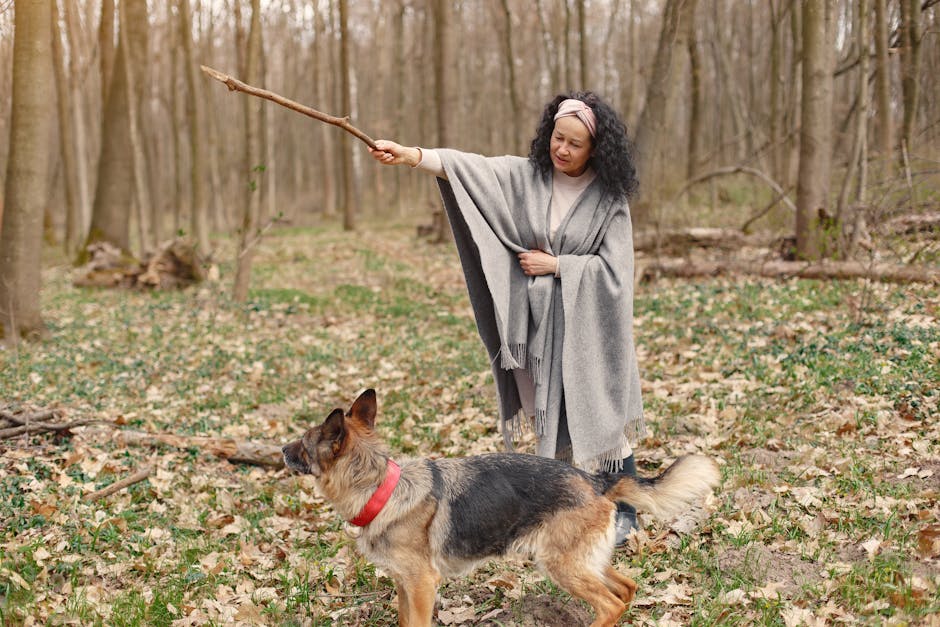
You don’t need to drive an hour to a state park. Just mix it up. Walk a different neighborhood block. Visit a pet-friendly store. Go to a different park. Even walking your usual route in reverse creates novelty — I’m not kidding. Dogs experience direction as a fundamentally different route.
Low-Impact Swimming
If your senior dog tolerates water, swimming is phenomenal. It’s zero-impact on joints, it’s a full-body workout, and the sensory experience of being in water engages the brain differently than land-based exercise.
Not every dog is a swimmer. My Border Collie mix wouldn’t go near water deeper than her ankles. But Benny? He’d swim until you physically removed him from the lake.
A few safety notes for senior swimmers:
– Always use a life vest, even if they were strong swimmers before. Muscle loss is real.
– Keep sessions short — 10-15 minutes max.
– Warm water is better. Cold water stiffens arthritic joints.
– Never leave them unsupervised near water. Older dogs tire fast and can panic.
Sniff Walks (Let Them Lead)
This deserves its own section because it’s completely different from a regular walk. A sniff walk is exactly what it sounds like — you let your dog lead, stop whenever they want to sniff, and the entire purpose is olfactory exploration, not exercise.
Twenty minutes of sniff walking can tire a senior dog’s brain as much as an hour of regular walking. That’s not an exaggeration. Processing scent information is cognitively demanding work.
Let them linger at that patch of grass for two minutes if they want to. Let them zigzag. Let them double back. Your job is to hold the leash and be patient.
I do one dedicated sniff walk per day with my current senior. It’s the highlight of his day, and I can see the difference in his alertness afterward.
Diet and Supplements for Brain Health
What goes into your dog’s body matters as much as what their brain does all day. And there’s actually decent research on this — not just anecdotal stuff.
MCTs (Medium-Chain Triglycerides) and Coconut Oil
This is the one with the strongest clinical evidence. Purina conducted studies showing that MCT oil significantly improves cognitive function in senior dogs. MCTs provide an alternative energy source for brain cells — ketone bodies — which is important because aging brains become less efficient at using glucose.
Purina’s Bright Mind formula is built on this research. But you can also supplement with:
- MCT oil: Start with 1/4 teaspoon per 10 lbs of body weight, once daily. Work up slowly — too much too fast causes digestive upset.
- Coconut oil: Contains MCTs naturally, though in lower concentration. Same dosing principle applies.
I started Benny on MCT oil at 12. Within about three weeks, the kitchen staring episodes became less frequent. Could be coincidence. Could be placebo on my part. But the research says it’s legit, and it’s cheap enough to try.
Antioxidant-Rich Foods
Oxidative stress accelerates brain cell death. Antioxidants fight oxidative stress. The logic is straightforward.
Hill’s b/d (Brain Diet) is a prescription food specifically formulated with antioxidants, omega-3 fatty acids, and other brain-supporting nutrients. Clinical trials showed measurable cognitive improvement in dogs eating this diet. Talk to your vet about whether it’s appropriate.
You can also add antioxidant-rich foods to your dog’s regular diet:
- Blueberries (my dogs go crazy for frozen ones)
- Sweet potato
- Spinach (small amounts)
- Sardines (omega-3 powerhouse)
- Pumpkin
Don’t go overboard. These are supplements to a balanced diet, not replacements. And always check that anything you add is safe for dogs.
SAMe and Senilife Supplements
SAMe (S-adenosylmethionine) supports liver function and has shown neuroprotective effects. The brand Denamarin combines SAMe with silybin and is pretty widely recommended by vets for senior dogs.
Senilife is a supplement specifically designed for canine cognitive dysfunction prevention. It contains phosphatidylserine, pyridoxine, Ginkgo biloba extract, resveratrol, and vitamin E. Some vets swear by it, others are skeptical.
My honest take: these supplements probably help some dogs and probably do nothing for others. They’re generally safe and not wildly expensive. If your dog is showing early signs of decline, they’re worth trying alongside the behavioral enrichment strategies. Just don’t expect miracles from a pill alone.
Social Interaction and Routine
Dogs are social animals, and isolation accelerates cognitive decline. Full stop.
Why Routine Matters More as Dogs Age
Young dogs can roll with changes. Senior dogs — especially those with any cognitive decline — need predictability. A consistent routine reduces anxiety, which in turn protects cognitive function. Stress hormones literally damage brain cells over time.
This means:
– Same feeding times every day
– Same basic walk schedule
– Same sleeping spot
– Predictable household rhythms
That doesn’t mean zero variety — remember, novelty is good for the brain. It means the framework stays consistent while you add stimulating activities within that framework. Walk at the same time, but take a different route. Feed at the same time, but use a puzzle feeder.
Maintaining Social Bonds with People and Dogs
Regular positive interaction with humans is one of the most powerful things you can do for your senior dog’s brain. Talking to them, gentle grooming, training sessions, just sitting together — all of it matters.
Dog-to-dog socialization is trickier with seniors. Some older dogs get anxious or grumpy around unfamiliar dogs. Don’t force it. But if your senior still enjoys canine company, maintain those relationships. A calm, familiar dog friend is worth more than a dozen random encounters at the dog park.
Benny’s best friend was a 14-year-old Lab next door named Rosie. They’d just lie in the yard together, occasionally sniffing each other. Low-key socializing. But he was always sharper after those visits.
Veterinary Interventions
If your dog is already showing signs of CCD, don’t rely on enrichment alone.
Selegiline (brand name Anipryl) is the only FDA-approved medication for canine cognitive dysfunction. It works by increasing dopamine levels in the brain, which improves cognitive function and can reverse some symptoms of CCD.
It’s not a cure. And it doesn’t work for every dog — roughly 70% of dogs show improvement, usually within the first month or two. Side effects are generally mild: decreased appetite, restlessness, or GI upset.
Your vet may also recommend:
– Blood work to rule out thyroid issues, kidney disease, or other conditions that mimic CCD
– Pain management — uncontrolled pain worsens cognitive decline
– Anti-anxiety medication if sleep disruption or anxiety is severe
The key is starting early. By the time a dog is severely affected, medications and enrichment can only do so much. Annual cognitive screening after age 8 is something I wish more vets did routinely. Ask for it.
Frequently Asked Questions
At What Age Should I Start Brain Exercises With My Dog?
Start now, regardless of age. But 8 years old is when I’d really ramp up enrichment activities. That’s when early, subclinical changes can begin. Dogs who’ve had lifelong mental stimulation have better cognitive reserves going into their senior years — think of it as building a savings account for their brain.
Can Dog Dementia Be Reversed?
No. CCD is a progressive, neurodegenerative condition. You can slow it, manage it, and improve quality of life, but you can’t reverse the underlying brain changes. That’s why prevention and early intervention matter so much. Selegiline can improve symptoms in many dogs, but it’s not reversing the plaques — it’s working around them.
How Much Mental Stimulation Does a Senior Dog Need Daily?
Aim for three to four short enrichment sessions per day, totaling about 30-45 minutes of active brain work. That might look like: a puzzle feeder at breakfast, a 10-minute training session mid-morning, a sniff walk in the afternoon, and a scent game before dinner. Adjust based on your dog’s energy level and interest.
Is It Too Late to Start if My Dog Already Shows Signs?
Absolutely not. Dog brain exercises for old dogs make a difference at any stage. Dogs with mild to moderate CCD respond well to enrichment programs, dietary changes, and medication. Even dogs with more advanced symptoms can have better days with the right support. Starting is always better than giving up.
Does Breed Affect CCD Risk?
Research is ongoing, but some studies suggest smaller breeds may have slightly higher rates — possibly because they tend to live longer and CCD is strongly age-correlated. There’s no definitive “high-risk breed” list. Every senior dog benefits from cognitive enrichment regardless of breed.
The thing about keeping your senior dog’s mind sharp is that none of this is complicated. Puzzle feeders. New walking routes. Scent games. Good food. Vet checkups. Time together.
It’s not about doing everything on this list. It’s about doing something — consistently. Benny’s kitchen staring episodes didn’t disappear entirely, but between the MCT oil, the daily scent games, and the sniff walks, he had more good days than bad ones in his final years. And those good days? They were genuinely good. Alert, engaged, tail wagging, him.
That’s what this is really about. Not adding years to their life, but adding life to their years.
Featured Image Source: Pexels