


When I adopted my first English Bulldog in 2012, I thought I was prepared. I’d saved for the purchase price, bought all the gear, even pre-paid for puppy classes. What I hadn’t budgeted for was the £3,200 BOAS surgery she’d need at age two, or the endless skin fold infections, or the eye drops we’d go through for the rest of her life.
That dog taught me something the breeder never mentioned: the sticker price is the smallest part of what a dog costs. The real expense? It sneaks up on you in vet bills, emergency surgeries, and specialist consultations over ten or fifteen years.
I’ve owned five dogs across three breeds since then. Some barely saw the vet beyond annual check-ups. Others practically funded their veterinarian’s kitchen renovation. And the difference almost always came down to breed.
The average dog owner spends somewhere between £700 and £1,500 on veterinary care annually. But that “average” hides enormous variation. A healthy Labradoodle might coast through a decade on basic wellness visits, while a French Bulldog racks up five figures in specialist care before its fifth birthday. If you’re planning to bring a dog into your life, you need to know which breeds fall into which camp—and what financial preparation actually looks like.
The Breeds That’ll Empty Your Emergency Fund
English Bulldog
I’m starting here because I lived it. And because the numbers are genuinely staggering.
English Bulldogs face BOAS (Brachycephalic Obstructive Airway Syndrome) at rates that would make an actuary weep. That surgery—widening nostrils, shortening the soft palate, removing saccules—runs £2,000 to £5,000 at a standard vet. One owner I know was quoted £7,500 at an emergency clinic in a major city.
But BOAS is just the headline act. These dogs also get skin fold dermatitis (monthly medicated shampoos, occasional antibiotics, specialist appointments), cherry eye requiring surgical correction, hip dysplasia, and chronic allergies. Dr Aimee Warner, a veterinarian who’s spoken extensively on breed costs, estimates English Bulldogs incur £15,000+ in lifetime veterinary expenses.
The cruel irony? Many of these problems stem directly from the breed standard. That flat face we’ve bred for? It’s why they can’t breathe properly. Those adorable wrinkles? Perfect breeding ground for infections.
French Bulldog
Frenchies share the brachycephalic curse with their English cousins but add a nasty spinal problem to the mix.
IVDD (Intervertebral Disc Disease) affects French Bulldogs at alarming rates. Their compact bodies and shortened spines make disc herniation almost inevitable in some lines. When a disc ruptures—and you’ll know because your dog will suddenly struggle to walk or become paralysed—emergency spinal surgery costs £3,000 to £8,000. At specialty neurology centres, “all in” treatment including rehabilitation reaches £10,000 to £15,000.
I watched a friend’s Frenchie go through this. Two weeks of not knowing whether the dog would walk again, followed by months of restricted activity, medications, and physiotherapy. She spent £11,000 total. The dog recovered beautifully, but it wiped out her savings.
Bernese Mountain Dog
This one breaks my heart because Berners are genuinely wonderful dogs—gentle giants with the temperament of a well-loved sofa cushion.
But here’s the brutal truth: around 50% of Bernese Mountain Dogs die from cancer before age 8. The median lifespan is just 8 years, and histiocytic sarcoma—an aggressive cancer that Berners are uniquely predisposed to—accounts for up to 64% of cancers in the breed.
Once diagnosed, survival is measured in weeks or months. The life span after diagnosis has been estimated at 49 days for disseminated cases. Even with aggressive surgery and chemotherapy, you’re typically looking at 1.5 to 3 years for localised cases.
Cancer treatment itself costs £5,000 to £15,000 for chemotherapy, with individual sessions running £150 to £600 each. Radiation therapy adds another £3,000 to £10,000. And here’s what nobody tells you: you’ll spend all that money, and the dog will likely still die young.
Great Dane
Bloat will cost you £3,000 to £8,000 if you’re lucky enough to reach the vet in time. If you’re not, it’ll cost you your dog.
Gastric dilatation-volvulus (GDV)—where the stomach twists on itself, cutting off blood supply—kills dogs within hours without emergency surgery. An estimated 40% of Great Danes will develop GDV at some point in their lives.
The good news? Preventive gastropexy, done during spaying or neutering, costs £400 to £1,200 and reduces the recurrence risk from 80% to under 5%. It’s one of the few cases where spending money upfront actually saves money long-term.
Beyond bloat, Great Danes face heart disease (dilated cardiomyopathy) and the usual giant-breed orthopaedic issues. Their size also means everything costs more—larger anaesthetic doses, bigger implants, more medication.
Rottweiler
CCL tears (the dog equivalent of a human ACL injury) cost £2,000 to £6,000 per knee for surgical repair. The type of surgery matters: a lateral suture repair runs £1,500 to £3,000, while TPLO (the gold standard for large breeds) costs £3,000 to £6,000.
Here’s the kicker: more than 50% of dogs who tear one CCL will eventually tear the other. So double those figures.
Rottweilers also get hip and elbow dysplasia at rates that make orthopaedic surgeons very busy. Total hip replacement—sometimes the only solution for severe cases—costs £4,000 to £8,000 per hip.
German Shepherd
The poster child for hip dysplasia. If you Google “hip dysplasia,” a German Shepherd is probably in the stock photo.
Surgery options range from £1,200 for FHO (femoral head ostectomy, which removes the problematic bone rather than replacing it) to £8,000+ for total hip replacement. Average treatment costs including diagnosis sit around £5,200 based on 2026 insurance claims data.
German Shepherds also face degenerative myelopathy—a progressive spinal cord disease with no cure. It’s heartbreaking to watch a working breed slowly lose the use of their back legs. Management involves wheelchairs, physiotherapy, and eventual quality-of-life decisions.
Cane Corso
Everything about a Cane Corso is bigger. Including the bills.
Giant breeds mean giant anaesthetic doses (30-50% higher than medium dogs), giant orthopaedic implants, giant medication requirements. A surgery that costs £3,000 for a Labrador might cost £4,500 for a Corso simply due to scale.
Common issues include hip dysplasia, elbow dysplasia, and the cardiac problems that plague large breeds. Insurance premiums for giant breeds run significantly higher than the national average, reflecting the actuarial reality that these dogs cost more to treat.
Dalmatian
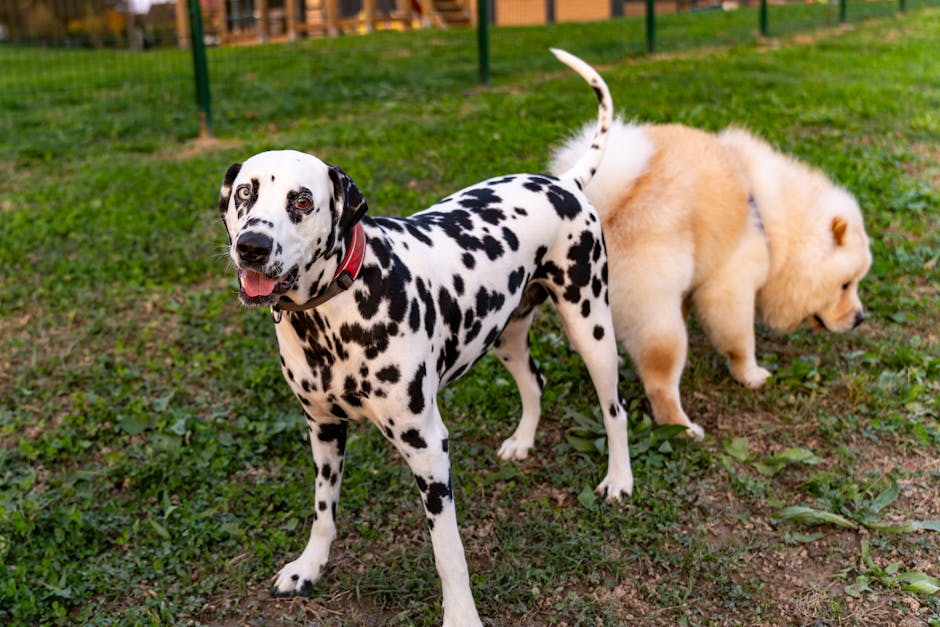
Kidney and bladder stones are the Dalmatian’s particular cross to bear. Their unique metabolism produces high uric acid levels, leading to urate stones that require surgical removal at £1,500 to £4,000 per episode.
Congenital deafness affects approximately 30% of Dalmatians (8% bilaterally deaf, 22% deaf in one ear). While deafness itself doesn’t incur ongoing costs, it does affect training and safety considerations.
Doberman Pinscher
More than 50% of European Dobermans will develop dilated cardiomyopathy (DCM). Read that again.
DCM causes the heart muscle to weaken, leading to heart failure or sudden death—sometimes with no warning signs at all. About one-third of affected dogs die suddenly without any prior symptoms.
Prognosis once symptoms appear is grim: median survival of 3-6 months after congestive heart failure develops. Treatment involves ongoing cardiac medications (pimobendan, diuretics, ACE inhibitors), regular echocardiograms at £200-400 each, and Holter monitoring.
There’s no cure. Just management until the inevitable.
Cavalier King Charles Spaniel
Almost every Cavalier will develop mitral valve disease. Studies suggest over half are affected by age 5, and nearly all by age 10. MVD occurs 20 times more frequently in Cavaliers than in the average breed.
Treatment involves lifelong medication (£50-150 monthly), twice-yearly cardiology visits (£200-500 each), and escalating costs as the disease progresses to congestive heart failure. Total cardiac care typically costs £10,000-20,000 over a Cavalier’s lifetime.
As if that weren’t enough, 50-90% of Cavaliers also have syringomyelia—a neurological condition where fluid-filled cavities develop in the spinal cord. MRI diagnosis costs £1,500-3,000. Treatment adds another £3,000-8,000.
The Breeds Your Wallet Will Thank You For
Not everything’s doom and gloom. Some breeds coast through life with minimal veterinary drama.
Australian Labradoodles average just £226 annually in vet costs according to Forbes Advisor’s insurance claims analysis. Their 13-16 year lifespan and careful breeding practices (Australian Labradoodles specifically, not just any poodle cross) contribute to their robustness.
Miniature Goldendoodles come in at £230 annually. Their medium size avoids giant-breed orthopaedic issues, and multi-generational breeding has reduced some of the health problems seen in first-generation crosses.
Shichons (Shih Tzu-Bichon crosses) average £241 annually.
Why Mixed Breeds Often Cost Less
There’s genuine science behind “hybrid vigour.” When you breed two genetically distinct populations, the offspring often show improved health compared to either parent breed. They’re less likely to inherit the doubled-up recessive genes that cause many breed-specific diseases.
That said, a “designer dog” from a backyard breeder who crosses two unhealthy purebreds isn’t going to be healthier than either parent. The source matters.
What These Conditions Actually Cost: A Quick Reference
| Condition | Typical Cost Range | Notes |
|---|---|---|
| CCL/ACL Surgery | £1,500-6,000 per knee | 50%+ will injure the other knee |
| IVDD Surgery | £3,000-15,000 | Plus 3-6 months rehabilitation |
| Hip Dysplasia Surgery | £1,200-8,000 per hip | FHO cheaper, THR more effective |
| Bloat/GDV Emergency | £3,000-10,000 | 30% mortality even with treatment |
| BOAS Surgery | £2,000-5,000 | May need revision |
| Cancer Treatment | £5,000-20,000+ | Highly variable by type and stage |
Making Insurance Work For You
Here’s when pet insurance genuinely pays off: high-risk breeds enrolled as puppies.
The average dog owner pays about £60 monthly for comprehensive coverage, or roughly £720 annually. For breeds like French Bulldogs, premiums run closer to £90 monthly. That’s £1,080 per year, or around £12,000 over a 12-year lifespan.
If your Frenchie needs one IVDD surgery (£8,000) and one BOAS surgery (£3,000), you’ve already broken even on premiums—and that’s before counting all the smaller claims.
Insurance ROI is highest for:
- Brachycephalic breeds (Bulldogs, Frenchies, Pugs)
- Giant breeds (Great Danes, Mastiffs)
- Cancer-prone breeds (Bernese, Golden Retrievers, Rottweilers)
- Breeds with known cardiac issues (Cavaliers, Dobermans)
Insurance may not be worth it for:
- Healthy mixed breeds from tested parents
- Senior dogs (premiums spike, pre-existing exclusions apply)
- If you have £10,000+ in dedicated emergency savings
The crucial caveat: enrol before symptoms appear. Pre-existing condition exclusions are universal. That Cavalier with a heart murmur detected at the first vet visit? Cardiac coverage is now excluded forever.
Building Your Financial Safety Net
Not everyone can or wants to carry insurance. Here’s how to self-insure responsibly.
Target emergency fund: 3-6 months of potential costs. For a high-risk breed, that’s £3,000-5,000 minimum. For a giant breed or one prone to multiple issues, aim for £8,000-10,000.
Start this fund the day you bring the dog home. Set up an automatic transfer—even £50 monthly builds to £3,000 over five years.
CareCredit and veterinary financing can bridge gaps, but understand the terms. Many promotional “no interest” periods become retroactive interest if not paid in full by the deadline. A £5,000 surgery can balloon to £6,500 if you miss that window.
Wellness plans aren’t insurance. They’re payment plans for routine care—vaccines, dental cleanings, annual bloodwork. Useful for budgeting, useless for emergencies.
Questions to Ask Before You Buy
If you’re set on a purebred, the breeder conversation matters enormously.
Ask about health clearances. Responsible breeders test breeding stock for breed-specific issues before mating. For English Bulldogs, that means BOAS grading, cardiac evaluation, patella examination, and eye certification. For German Shepherds, hip and elbow scoring plus DNA testing for degenerative myelopathy.
Request OFA or BVA/KC certificates. “My dogs are healthy” isn’t evidence. Documentation is.
Ask about longevity in the line. A breeder who can tell you their dogs routinely live to 12+ is saying something. A breeder who’s vague about it is also saying something.
Consider the price. A £500 French Bulldog puppy means corners were cut—probably in health testing, veterinary care, or both. Those savings evaporate in the first emergency.
FAQ
Should I avoid all high-risk breeds entirely?
Not necessarily. But go in with open eyes and open wallet. If you genuinely want a Bulldog and have the resources to handle their medical needs, that’s a valid choice. If you’re stretching to afford the purchase price, you’re not financially ready for the ownership.
Do mixed breeds really have fewer health problems?
Generally yes, but it depends on the cross. A Labradoodle from health-tested parents of both breeds will likely be healthier than either purebred parent. A “designer dog” from a random pairing of two unhealthy dogs inherits problems from both sides. Source matters more than “mixed” status.
When should I get pet insurance?
Day one. Ideally, have a policy activated before you even pick up the puppy. Every day without coverage is a day something could happen that becomes a lifelong exclusion.
Is paying for preventive surgery worth it?
For specific procedures, absolutely. Preventive gastropexy for bloat-prone breeds (£400-1,200 during spay/neuter) versus emergency GDV surgery (£3,000-10,000 plus 30% mortality)? Easy maths.
If I were advising someone who wanted to minimise veterinary costs while still getting a wonderful companion, I’d point them toward an Australian Labradoodle or similar multi-generation doodle from a breeder who does full health testing. Fourteen years of relatively boring vet visits. A dog that actually lives to see fourteen.
But I’d also tell them this: budget for the unexpected anyway. Even the healthiest breed can eat something poisonous, get hit by a car, or develop an oddball condition nobody predicted. The dogs that cost the least aren’t necessarily the ones that never need veterinary care—they’re the ones whose owners planned for it.
Featured Image Source: Pexels