

I still remember sitting in the parking lot before my Golden Retriever puppy’s first vet appointment, scrolling through my phone trying to remember everything I wanted to ask. By the time we got into the exam room, half those questions had evaporated from my brain. The vet was wonderful, but the appointment flew by in about fifteen minutes — and I walked out realizing I’d forgotten to ask about half the things that mattered.
That was over a decade ago, and I’ve since learned that almost every new puppy owner has the same experience. You’re nervous, the puppy is wiggly or terrified, and suddenly you’re nodding along while your brain goes blank. So I started writing things down. And after helping friends prep for their puppies’ first vet visits dozens of times, I figured it was time to put all of it in one place.
Here’s your game plan for walking into that first appointment prepared — the questions to ask, what to bring, and a few things most people don’t think about until it’s too late.
What to Bring to Your Puppy’s First Vet Visit
Breeder/Rescue Health Records
Whatever paperwork came with your puppy, bring all of it. Even if it looks like a mess of scribbled notes. Your vet needs to see what vaccines have already been given, any deworming that’s been done, and whether any health testing was performed on the parents.
If you got your puppy from a breeder, you should have vaccination records showing dates and which specific products were used. Good breeders will have started the DHPP series — usually the first dose at 6-8 weeks. Rescue pups sometimes come with less detailed records, and that’s okay. Your vet will work with what they have and fill in the gaps.
Bring a list of what you’re feeding — brand, how much, and how often. Also jot down anything weird you’ve noticed: loose stools, coughing, excessive scratching, limping. It’s easy to forget these details in the moment.
Stool Sample (Why and How to Collect)
This one catches people off guard. Yes, you need to bring poop to the vet. A fresh stool sample — collected within the last 12 hours — lets the vet check for intestinal parasites. And trust me, it matters. About 36% of puppies test positive for intestinal parasites at their first vet visit. Roundworms, hookworms, giardia — they’re incredibly common, especially in puppies from shelters or large breeding operations.
Collecting it is simple. Use a plastic bag, grab a small amount (about a tablespoon is plenty), seal it up, and keep it in the fridge until you leave for the appointment. I know. It’s gross. But your vet will thank you, and it saves you a second trip.
Questions About Vaccinations
Which Vaccines Does My Puppy Actually Need?
This is the first question on your puppy first vet visit what to ask list, and it’s a big one. Not every puppy needs every vaccine, and a good vet won’t push unnecessary shots.
At minimum, your puppy needs the core vaccines — these are non-negotiable regardless of where you live or your dog’s lifestyle:
| Core Vaccine | What It Protects Against | Typical Schedule |
|---|---|---|
| DHPP (Distemper combo) | Distemper, hepatitis, parainfluenza, parvovirus | 3 doses: 8, 12, and 16 weeks |
| Rabies | Rabies virus | Single dose at 12-16 weeks (required by law) |
Beyond the cores, there are lifestyle vaccines that depend on your specific situation. Your vet should be asking you questions here too — where you live, whether you’ll be doing doggy daycare, hiking in wooded areas, or boarding.
Core vs. Lifestyle Vaccines for Your Area
Ask your vet directly: “Based on where we live and our lifestyle, which additional vaccines do you recommend?” This is where geography matters a lot.
Leptospirosis is a perfect example. It used to be considered optional, but it’s become more common in suburban and even urban areas thanks to wildlife. If you’re anywhere with raccoons, skunks, or standing water (so… most places), your vet will likely recommend it. Lyme disease vaccine makes sense if you’re in the Northeast or Upper Midwest. Canine influenza is worth discussing if your puppy will spend time in boarding or daycare facilities — outbreaks spread fast in those environments.
Here’s what I tell friends: don’t refuse a vaccine just because you read something scary online, but also don’t feel pressured to say yes to everything without understanding why. A good vet explains their reasoning.
What’s the Safest Vaccination Spacing?
Puppies get a series of shots, not just one round. Ask about the timing between doses and whether your vet follows AAHA (American Animal Hospital Association) guidelines. Most vets space DHPP boosters 3-4 weeks apart, finishing around 16 weeks.
One thing worth asking: “Can we avoid giving too many vaccines in one visit?” Some puppies handle multiple shots fine. Others get lethargic or develop mild reactions. I had a Border Collie puppy who was absolutely miserable for two days after getting four vaccines at once. After that, I always asked to spread things out a bit. Most vets are happy to accommodate this — it might mean one extra visit, but it’s easier on the puppy.
Questions About Parasites
What Deworming Protocol Do You Recommend?
Even if your breeder already dewormed the puppy (and they probably did), your vet will likely want to continue a deworming schedule. Puppies can pick up worms from their mother before they’re even born — it’s that common.
Ask these specific questions:
- What parasites did the stool sample show?
- What deworming medication are you prescribing, and how often?
- Should I be concerned about giardia in our area?
- Are there signs of parasites I should watch for at home?
Giardia deserves a special mention because it’s stubborn. I’ve dealt with it twice, and both times it took multiple rounds of treatment plus sanitizing everything the puppy touched. If your vet diagnoses it, ask about environmental decontamination too — not just the medication.
When Can My Puppy Start Flea and Tick Prevention?
Don’t skip this question, even if it’s winter. Many preventatives can’t be used until a puppy reaches a certain age or weight. Your vet needs to recommend the right product for your puppy’s size and age.
Ask whether they recommend oral or topical prevention, and which specific product. I personally prefer oral preventatives — no greasy spot on the fur, no worrying about it washing off. But some puppies do better with topicals, especially very young ones. Your vet knows best here.
Also ask about heartworm prevention. In most of the U.S., year-round heartworm prevention is the standard recommendation. Treatment for heartworm disease is expensive, painful, and risky. Prevention is cheap and easy. Don’t skip it.
Questions About Spaying/Neutering
What Age Do You Recommend for My Breed?
This is where things have changed a lot in the last ten years, and it’s one of the most important questions to ask at your puppy’s first vet appointment. The old blanket advice of “six months for everyone” is outdated.
Ask your vet: “Given my puppy’s breed and size, what age do you recommend for spaying/neutering?” If they give you a one-size-fits-all answer without considering breed, that’s a yellow flag.
New Research on Delayed Spay/Neuter for Large Breeds
A landmark UC Davis study looked at Golden Retrievers and found that early spay/neuter (before 12 months) was associated with increased rates of joint disorders and certain cancers. Similar research has since been done across dozens of breeds, and the trend is consistent for large and giant breeds — waiting until growth plates close (typically 12-18 months) reduces these risks.
For small breeds, the calculus is different. Their growth plates close earlier, and the health risks of early spay/neuter are generally lower.
Here’s what I wish someone had told me years ago: this isn’t an anti-spay/neuter conversation. It’s a timing conversation. Intact dogs come with their own challenges and risks. But the “when” matters more than most people realize, especially for large breeds. A vet who stays current on this research is worth their weight in gold.
Questions About Diet and Growth
Is My Puppy the Right Weight for Their Age?
Your vet should assess your puppy’s body condition score at the first visit. But don’t just nod — ask them to show you what ideal body condition looks like on your puppy. Where should you feel ribs? What does a healthy tuck look like from the side?
This matters because overweight puppies — especially large breed puppies — are at higher risk for developmental orthopedic problems. And underweight puppies might not be getting enough nutrition or could have underlying health issues.
Ask for a target weight range at the next visit, so you have a benchmark to track at home.
What Food Do You Recommend?
Vets get asked this constantly, and honestly, the answers vary. But here’s what to ask:
- Should I feed puppy-specific food, and for how long?
- Do you recommend large-breed puppy formula? (If you have a large breed — the calcium and phosphorus ratios matter for bone development.)
- How many times a day should I feed at this age?
- What brands do you trust?
I’ve raised puppies on a few different foods over the years. The one thing I’ve learned: the best food is one your puppy thrives on. Good stool, shiny coat, steady growth, and plenty of energy. If your puppy is doing well on what they’re eating, don’t feel pressured to switch just because someone online swears by something fancier.
Be cautious about grain-free diets. The FDA investigated a potential link between grain-free diets and dilated cardiomyopathy (DCM) in dogs. The research is ongoing, but most veterinary nutritionists currently recommend foods that include grains unless there’s a documented allergy.
Questions About Behavior
What Behavioral Red Flags Should I Watch For?
Your puppy’s first vet visit is a great time to bring up any behavior concerns — even ones that seem minor. Early intervention makes a massive difference.
Specifically ask about:
- Fear responses — Is it normal for my puppy to be scared of certain things? When does fear become a problem?
- Mouthing and biting — How do I know if this is normal puppy behavior or something more concerning?
- Resource guarding — My puppy growls when I come near their food bowl. Should I be worried?
- Socialization windows — What’s the timeline for safe socialization, especially before vaccines are complete?
That last one is important. There’s a balance between protecting an unvaccinated puppy from disease and making sure they get socialized during the critical window (roughly 3-14 weeks). Your vet can help you navigate that. Puppy classes that require proof of first vaccines and clean facilities are generally considered safe and worthwhile — the behavioral benefits outweigh the small infection risk.
Do You Refer to Veterinary Behaviorists?
This is a question most people don’t think to ask at the first visit. But it tells you something about the clinic. A vet who has a relationship with a board-certified veterinary behaviorist (DACVB) is one who takes behavior seriously and knows when to bring in a specialist.
You probably won’t need one. But if your puppy shows signs of severe anxiety, aggression, or compulsive behaviors down the road, you’ll want that referral pathway already in place.
Questions About Microchipping and Pet Insurance
Two practical topics to cover before you leave that first appointment.
Microchipping: Ask if your puppy is already microchipped (many breeders and rescues do this). If not, ask about getting it done — most vets can do it during a regular visit. It’s quick, no anesthesia needed, and it’s the single best way to get reunited with a lost dog. Make sure you register the chip and keep your contact information updated. The chip is useless if the database has your old phone number.
Pet insurance: I’m a huge advocate for getting pet insurance while your puppy is young and healthy. Ask your vet which companies they see process claims smoothly. Pre-existing conditions aren’t covered, so enrolling early — before any issues are diagnosed — gives you the best coverage. I’ve had insurance save me thousands on a single surgery. It’s not glamorous, but it’s worth every penny when you need it.
Red Flags About a Vet Clinic to Watch For
Not every vet is the right fit, and your puppy’s first visit is essentially an audition — for them, not just your puppy. Here’s what should make you uncomfortable:
- They rush through the appointment without letting you ask questions. Fifteen minutes for a wellness check is normal. Being cut off or dismissed is not.
- They push expensive add-ons without explanation. If they’re recommending something, they should be able to tell you why in plain language.
- They won’t discuss alternative approaches. A vet who gets defensive when you ask about delayed spay/neuter or vaccine spacing isn’t someone I’d trust with nuanced care.
- The staff handles your puppy roughly or seems impatient with a scared animal. Fear-free handling practices are the standard now. If your puppy is terrified and no one adjusts their approach, leave.
- They can’t answer breed-specific questions. Your vet doesn’t need to be a breed expert, but they should know the common health concerns for your puppy’s breed or be willing to look them up.
And one positive sign that might surprise you: a vet who says “I don’t know, let me look into that” is a keeper. Medicine is complex. Honesty beats false confidence every time.
Frequently Asked Questions
How old should my puppy be for the first vet visit?
Schedule the first vet appointment within the first week of bringing your puppy home, ideally within 48-72 hours. Most puppies come home between 8-12 weeks of age, and they’ll likely need their next round of vaccines soon. If your puppy seems sick — lethargy, diarrhea, not eating — get in even sooner.
What happens at a puppy’s first vet appointment?
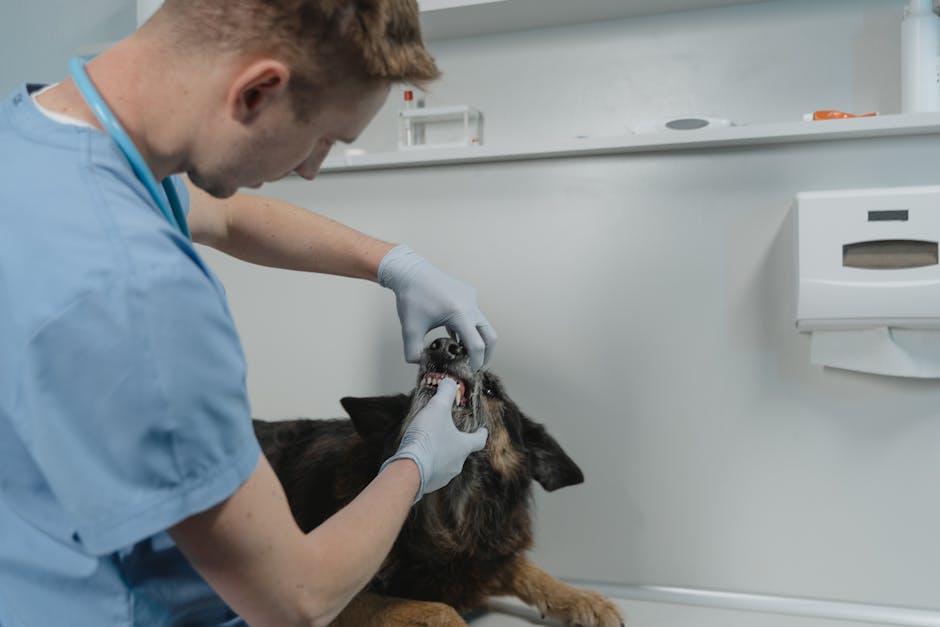
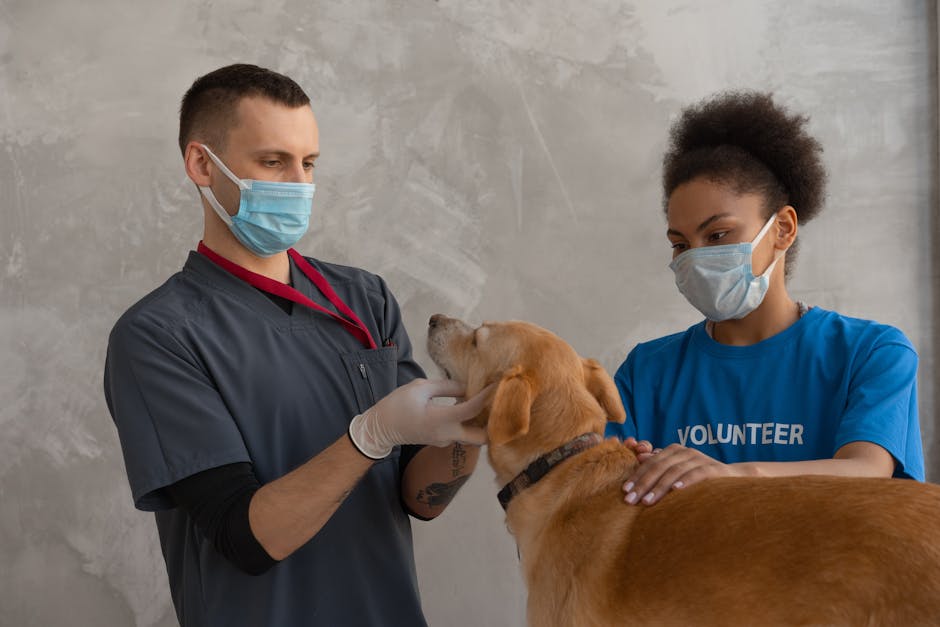
The vet will do a full physical exam: checking eyes, ears, heart, lungs, abdomen, skin, and joints. They’ll assess your puppy’s weight and body condition, review vaccination records and administer any due vaccines, run a fecal test if you brought a stool sample, and discuss a preventive care plan. The whole visit usually takes 20-30 minutes.
How much does a puppy’s first vet visit cost?
Expect to pay between $100-$300 for the first visit, depending on your location and what’s included. The exam fee is typically $50-$75, with vaccines, fecal testing, and any deworming medication adding to the total. Some clinics offer puppy packages that bundle the first few visits at a discount — always worth asking about.
Should I write my questions down before the appointment?
Absolutely — this is the single best piece of advice I can give you. I bring a typed or handwritten list to every vet visit, even after all these years. The vet won’t think you’re being difficult. They’ll think you’re a responsible owner. Most vets genuinely appreciate prepared clients because it means they can address what actually matters to you instead of guessing.
Can I take my puppy outside before all vaccines are done?
You can and should — but with precautions. Avoid high-traffic dog areas like dog parks, pet stores, and anywhere with unknown dogs until the vaccine series is complete (around 16 weeks). But carrying your puppy in public, visiting friends’ vaccinated dogs, and attending well-run puppy socialization classes are all reasonable. The socialization window closes fast, and under-socialized dogs face lifelong behavioral challenges that are frankly harder to deal with than the small infection risk.
Getting through your puppy’s first vet visit doesn’t have to be stressful. Bring your records, bring your stool sample, and bring your list of questions. A good vet will welcome every single one of them. And if they don’t? Find a vet who does. Your puppy is counting on you to advocate for them from day one.
Featured Image Source: Pexels