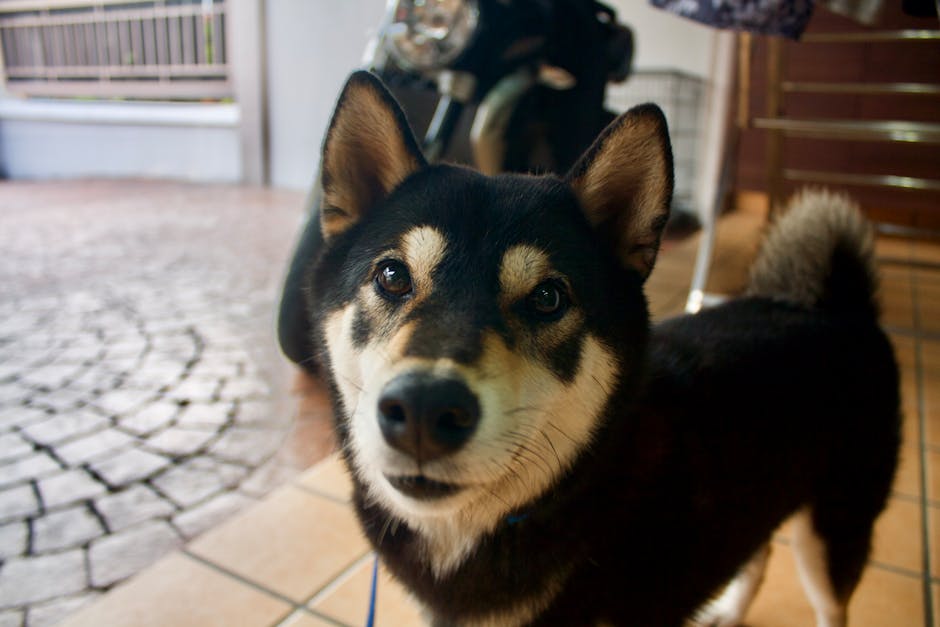


I’ll be honest with you — if you’re here because you saw a cute Shiba Inu meme and thought “I need one,” this article might change your mind. And that’s okay. In fact, that’s the point.
Shibas are stunning dogs. That fox-like face, the curled tail, the confident little strut. I get the appeal. But after helping three different friends navigate Shiba ownership (two of whom rehomed their dogs within the first year), I’ve learned that the gap between what people expect from this breed and what they actually get is enormous.
The shiba inu temperament for first time owners is, frankly, a tough match. Not impossible — but tough in ways most people aren’t prepared for. This isn’t a Golden Retriever in a smaller package. It’s not even in the same universe. If you’re seriously considering this breed, keep reading. I’d rather you know the truth now than learn it the hard way at 3 AM while your Shiba screams because you tried to clip a toenail.
The Meme Dog vs The Real Dog
How Internet Fame Created Unrealistic Expectations
The “doge” meme did something no breed club could have predicted — it turned a relatively obscure Japanese hunting dog into one of the most recognized breeds on the planet. And the consequences have been brutal.
Shiba Inu rescue organizations across the US report that surrender rates have climbed steadily since the breed’s internet fame exploded. The National Shiba Club of America has been sounding alarms for years. People see the memes, the cute videos, the derpy expressions — and they see a fun, quirky little dog that’ll be great for their apartment.
What they don’t see is the video that got cut short. The one where the Shiba destroyed a couch cushion because it was left alone for four hours. Or the one where it bit a stranger who reached for its head without permission.
The internet shows you the highlight reel. Living with a Shiba is the director’s cut — unedited, three hours long, and not always entertaining.
What Shibas Were Actually Bred to Do
Shibas are the oldest and smallest of Japan’s native breeds. They were bred to flush birds and small game through dense mountain underbrush. Let that sink in for a second — this is a dog that was designed to work independently, make its own decisions in thick brush where its handler couldn’t even see it, and chase down anything that moves.
The breed nearly went extinct after World War II. Bombing raids and a post-war distemper epidemic decimated the population. Today’s Shibas descend from just three surviving bloodlines. They’re now the #1 companion dog in Japan, but that hunting heritage? It didn’t go anywhere.
When your Shiba ignores your recall command to chase a squirrel, that’s not a training failure. That’s 3,000 years of breeding doing exactly what it was meant to do.
Core Shiba Inu Personality Traits
Independent and Cat-Like
I’ve owned Golden Retrievers. Those dogs live to make you happy. They’ll stare at you with those big eyes, waiting for direction, desperate for approval. A Shiba will look at you, consider your request, and then decide whether it aligns with their current plans.
This is the single most important shiba inu personality trait to understand: they are not people-pleasers. They’re more like cats trapped in dog bodies. A Shiba will come to you for affection — on their schedule. They’ll sit next to you on the couch — when they feel like it. They’ll follow a command — if there’s something in it for them.
My friend Alex got a Shiba after years with Labs. She called me six weeks in, genuinely confused. “He doesn’t care if I’m happy with him,” she said. And honestly? That’s the most accurate one-sentence description of Shiba temperament I’ve ever heard.
Some Shibas are cuddlier than others. But if you need a dog that orbits around you like a satellite, this breed will disappoint you.
The Shiba Scream — Yes, It’s Real
If you haven’t heard a Shiba scream, look it up on YouTube before you commit to this breed. I’m serious.
It’s not a bark. It’s not a howl. It’s a high-pitched, ear-splitting shriek that sounds like someone is actively harming the dog. The first time my friend’s Shiba did it — during a nail trim — her neighbor called to ask if everything was okay.
Shibas scream when they’re:
– Excited (seeing you come home)
– Frustrated (you won’t let them chase that cat)
– Being handled in a way they don’t like (vet visits, baths, nail trims)
– Throwing a tantrum (yes, they throw tantrums)
It’s dramatic. It’s loud. And it happens in public. If you live in an apartment with thin walls, your neighbors will have opinions about your Shiba.
Dramatic, Stubborn, and Wickedly Smart
Shibas aren’t dumb. That’s a common misconception from people who equate obedience with intelligence. A Golden Retriever learns “sit” in three repetitions because it wants to please you. A Shiba learns “sit” in three repetitions and then spends the rest of its life deciding on a case-by-case basis whether sitting is worth the effort.
They’re problem-solvers. They’ll figure out how to open doors, escape crates, and find the one weakness in your fence. One Shiba I know learned to open a lever-style door handle in under a week. His owner had to switch every handle in the house to round knobs.
And the drama. Oh, the drama. Shibas have been known to go completely limp on walks when they don’t want to go in a certain direction. They’ll flop on the ground like a toddler in a grocery store. They’ll make direct eye contact with you while deliberately doing the thing you just told them not to do.
It’s infuriating. It’s also — if you have the right personality for it — kind of hilarious.
The Training Challenge
Why Positive Reinforcement Is the Only Way
Let me be direct: if you try to dominate, intimidate, or physically correct a Shiba Inu, you will destroy your relationship with that dog. Full stop.
Shibas do not respond to force. They shut down. They become fearful, then reactive. I’ve seen it happen, and it’s heartbreaking. The alpha-roll, leash-pop, punishment-based training methods that some people still cling to are a fast track to a Shiba that bites.
What works with Shibas is positive reinforcement with a twist — you have to make them think everything was their idea. Short training sessions (5-10 minutes max), high-value treats (forget the dry biscuits — bring cheese, chicken, liver), and ending on a win every single time.
Here’s what a good Shiba training approach looks like:
| What Works | What Doesn’t |
|---|---|
| Short, varied sessions (5-10 min) | Long, repetitive drills |
| High-value food rewards | Praise alone (they don’t care enough) |
| Capturing natural behaviors | Forcing physical positions |
| Making training feel like a game | Making training feel like a job |
| Quitting while they’re still engaged | Pushing until they shut down |
| Giving choices within boundaries | Demanding instant compliance |
The best Shiba trainers I know treat it like a negotiation. You’re not commanding — you’re persuading. And you’d better bring a good offer to the table.
Recall — The Shiba’s Biggest Weakness
Recall means coming when called. It’s the foundation of off-leash reliability. And with Shibas? It’s the number one reason are shiba inus hard to own — because reliable recall is nearly impossible to achieve.
A Shiba with a squirrel in sight is deaf to the world. Their prey drive overrides every treat, every command, every bond you’ve built. I’ve watched a Shiba that was “perfectly trained” in the backyard completely ignore its owner at a park when a rabbit appeared. The owner was in tears.
You can work on recall. You should work on recall. Use a long line (30-foot leash) for practice. Use insanely high-value rewards. Train in gradually more distracting environments. But understand this: most Shiba owners never achieve truly reliable recall, and the ones who claim they have are either exceptionally lucky or not being tested by real distractions.
Shibas and Off-Leash — Why It Rarely Works
This deserves its own section because it’s that important.
Shibas should not be off-leash in unfenced areas. Period. I know that sounds extreme. I know you think your Shiba will be different. But every Shiba owner who lost their dog to a road or had their dog go missing for days thought the same thing.
Their prey drive is hardwired. A Shiba that spots a squirrel, cat, or rabbit will bolt — and they’re fast. They can cover ground quickly and they won’t look back. They won’t hear you calling. In that moment, 3,000 years of hunting instinct is running the show, and your voice is just background noise.
Invest in a good harness (not a collar — Shibas can slip collars like Houdini), a secure leash, and accept that walks will always be leashed. A securely fenced yard is great for off-leash play. But open areas? Not worth the risk.
Living with a Shiba: The Honest Reality
Shedding (The ‘Shiba Blow’ Is No Joke)
Shibas have a thick double coat. Twice a year — usually spring and fall — they “blow” their undercoat. And when I say blow, I mean it looks like a small woolly animal exploded in your house.
During coat blow season, you will vacuum daily and it still won’t be enough. Clumps of fur will float through the air like tumbleweeds. Your black clothes are a distant memory. I visited a friend during her Shiba’s spring blow and left with enough fur on my jeans to knit a small sweater.
Outside of blowing season, they still shed. Not as aggressively, but enough that you’ll need to brush a few times a week and accept fur as a permanent fixture in your life.
The upside? Shibas are naturally clean dogs. Almost cat-like in their self-grooming. They rarely smell doggy, and many Shibas actively avoid puddles and mud. So there’s that.
Handling and Touch Sensitivity
Many Shibas are touch-sensitive, especially around their paws, ears, and mouth. This makes vet visits, grooming, and basic care more challenging than with a typical breed.
Start handling exercises early if you get a Shiba puppy. Touch paws daily. Look in ears. Lift lips to examine teeth. Pair every touch with treats. Build positive associations before you ever need to do a real nail trim or ear cleaning.
If you’re adopting an adult Shiba, go slow. Respect their boundaries. Some Shibas never love being handled, and you’ll need a vet who understands the breed and works with that reality rather than against it.
And about grooming — never shave a Shiba’s double coat. It insulates against both heat and cold, and it may not grow back correctly. A good de-shedding tool and regular brushing is all they need.
Resource Guarding Tendencies
Shibas are more prone to resource guarding than many breeds. Food bowls, toys, sleeping spots, even people — some Shibas will guard these things with growling, snapping, or worse.
This isn’t a character flaw. It’s a breed tendency rooted in their independent, self-reliant nature. But it needs to be managed from day one.
Trade games work well — drop a treat near them when they have a toy, so they learn that people approaching their stuff means good things happen. Never reach into a Shiba’s food bowl or take things from their mouth by force. That’s how bites happen.
If you see resource guarding developing, get a certified behaviorist involved early. This is one area where DIY training can make things worse if you don’t know what you’re doing.
Who Is a Good Shiba Owner?
Ideal Lifestyle and Living Situation
The shiba inu temperament for first time owners is challenging, but that doesn’t mean no first-time owner can succeed. It means you need to be a very specific kind of first-time owner.
Good Shiba owners tend to be:
- Patient. Not just regular patient. Zen-master patient. The kind of person who can laugh when their dog deliberately ignores them for the fourth time in a row.
- Independent themselves. If you need a dog that’s emotionally velcroed to you, get a Retriever. Shibas suit people who respect boundaries — their own and the dog’s.
- Committed to learning. You need to study this breed before and after getting one. Read breed-specific forums. Join Shiba groups. Talk to longtime owners.
- Consistent. Shibas will exploit every inconsistency in your rules. If they’re not allowed on the couch, they’re never allowed on the couch. One exception, and the negotiation starts over.
- Financially prepared. Between a trainer experienced with primitive breeds, potential behaviorist consultations, high-quality food, and grooming tools — Shibas aren’t a budget breed.
Shibas can do well in apartments if they get adequate exercise (45-60 minutes daily). They’re not high-energy the way Border Collies are, but they need mental stimulation or they’ll find their own entertainment. And you won’t like their choices.
Red Flags That a Shiba Isn’t Right for You
Be honest with yourself. A shiba inu not good first dog match exists when:
- You want an off-leash hiking companion
- You expect a dog that’s eager to please and easy to train
- You have very young children (more on this below)
- You’ve never trained a dog before and aren’t willing to hire professional help
- You want a cuddly, affectionate lap dog
- You have small animals (rabbits, hamsters, birds) in the home
- You chose this breed because of memes or social media
- You live somewhere with strict noise complaints (Shiba scream)
- You expect quick results from training
If more than two of those apply, please consider a different breed. There’s no shame in that. Matching the right dog to the right owner is how good outcomes happen.
Shibas with Children and Other Pets
This is where I get blunt. Shibas and young children are a risky combination.
It’s not that Shibas are aggressive. It’s that they have low tolerance for being grabbed, pulled, climbed on, or startled. A toddler who grabs a Shiba’s tail or reaches into its food bowl is in a dangerous situation — not because the dog is mean, but because the dog has boundaries and a toddler doesn’t understand them.
With older kids (8+) who understand how to respect a dog’s space, Shibas can do fine. But every interaction should be supervised until you’re absolutely confident in both the child and the dog.
As for other pets — Shibas and cats can coexist, especially if raised together. But that prey drive means small animals like rabbits, guinea pigs, and hamsters are at genuine risk. Even a Shiba that seems fine with a small pet can have its instincts triggered unexpectedly. I wouldn’t chance it.
With other dogs, Shibas can be selective. Many are same-sex aggressive, meaning they do best as the only dog or with a dog of the opposite sex. Early socialization helps, but it doesn’t override breed tendencies entirely.
Frequently Asked Questions
Are Shiba Inus good for first-time dog owners?
Generally, no. The shiba inu temperament for first time owners presents challenges that catch most newcomers off guard — the independence, the stubbornness, the prey drive, the handling sensitivity. However, a well-researched first-time owner who commits to professional training and goes in with realistic expectations can succeed. The key is honesty about what you’re signing up for.
Why do Shiba Inus scream?
The “Shiba scream” is a high-pitched vocalization unique to the breed. They do it when excited, frustrated, scared, or unhappy with being handled. It sounds alarming — like the dog is in pain — but it’s usually just dramatic expression. Think of it as the canine equivalent of a toddler tantrum. You can’t train it out completely, but desensitization to triggers (handling, grooming) can reduce it.
Can Shiba Inus be left alone during the workday?
Better than most breeds, actually. Their independent nature means they tolerate alone time better than velcro breeds like Vizslas or Cavaliers. Most adult Shibas do fine for 6-8 hours if they’ve had exercise beforehand. Puppies need more frequent check-ins. The caveat: a bored Shiba is a destructive Shiba, so leave puzzle toys and ensure they’ve been walked before you leave.
How much exercise does a Shiba Inu need?
About 45-60 minutes daily. They’re moderate energy — not couch potatoes, but not marathon runners either. A good walk plus some play or training time keeps most Shibas content. Mental stimulation matters as much as physical exercise. Puzzle feeders, nose work, and short training sessions all count.
Do Shiba Inus get along with other dogs?
It depends. Many Shibas are selective about their canine friends and some show same-sex aggression. Early socialization helps but doesn’t guarantee a social butterfly. They tend to do best with calm, respectful dogs that don’t invade their personal space. Dog parks can be hit or miss — some Shibas enjoy them, others start conflicts.
Look, I’m not trying to scare anyone away from this breed. Shibas are fascinating, beautiful, genuinely funny dogs. Watching a Shiba figure something out — you can practically see the gears turning — is one of the most entertaining things in dog ownership.
But too many Shibas end up in rescue because someone fell in love with an image instead of researching the reality. If you’ve read this entire article and you’re still thinking “yes, that sounds like my kind of dog” — you might actually be a good Shiba match. The people who succeed with this breed are the ones who go in clear-eyed, prepared for the challenges, and genuinely appreciate a dog that has its own personality rather than just mirroring yours.
And if you’ve decided a Shiba isn’t for you? That’s a win too. Knowing what you don’t want saves a dog from being rehomed and saves you from heartbreak. There’s a perfect breed out there for everyone — it just might not be the one that went viral.
Featured Image Source: Pexels