

Introduction: Let’s Talk Real Numbers (Because Puppies Aren’t Cheap)
I’m going to be straight with you. That adorable Golden Retriever puppy in your Instagram feed? She’s gonna cost you somewhere between $1,500 and $4,500 in her first year alone. And that’s assuming she doesn’t eat your couch, swallow a sock, or decide your baseboards are delicious.
I’ve been through this rodeo four times now. My first puppy — a Beagle named Scout — taught me expensive lessons about budgeting. Like the $400 emergency vet visit when he ate an entire bag of training treats, packaging included. Or the three dog beds he destroyed before I finally invested in a proper crate. Nobody told me how much a puppy actually costs beyond the purchase price, and I’m still a little salty about it.
So here’s what I wish someone had handed me: a real, no-fluff breakdown of how much a puppy costs in the first year, organized by breed size so you can plan properly. Whether you’re bringing home a tiny Chihuahua or a giant Great Dane, the numbers differ wildly — and knowing them upfront saves you from that panicked credit card swipe at the vet.
Step 1: Calculate Your Acquisition Costs (The Big First Decision)
Before anything else, you need to decide: adopt or buy from a breeder?
Shelter adoption runs you $129 to $767, and that usually includes initial vaccinations, spay/neuter, and microchipping. Honestly? This is the best deal in puppyhood. My neighbor adopted her Lab mix for $350 all-in, and he came fixed, chipped, and with a clean bill of health.
Breeder puppies are another universe. Expect $1,500 to $4,000+ depending on breed, lineage, and breeder reputation. English Bulldogs? Easily $3,000. A well-bred Golden from health-tested parents? $2,000 to $2,500. Those “rare color” French Bulldogs going for $5,000+? Run. Usually bad breeding practices behind that price tag.
| Source | Typical Cost | What’s Included |
|---|---|---|
| Shelter/Rescue | $129 – $767 | Vaccines, spay/neuter, microchip, basic exam |
| Reputable Breeder | $1,500 – $4,000+ | Health guarantee, initial vaccines (varies), AKC papers |
| Backyard Breeder | $500 – $1,500 | Often nothing — avoid these |
Step 2: Stock Up on Supplies Before Puppy Arrives
This is where people get surprise-punched in the wallet. You think you need a bowl and a leash. Then you’re standing in Petco with a $400 cart wondering what happened.
Here’s my actual pre-arrival checklist with realistic costs:
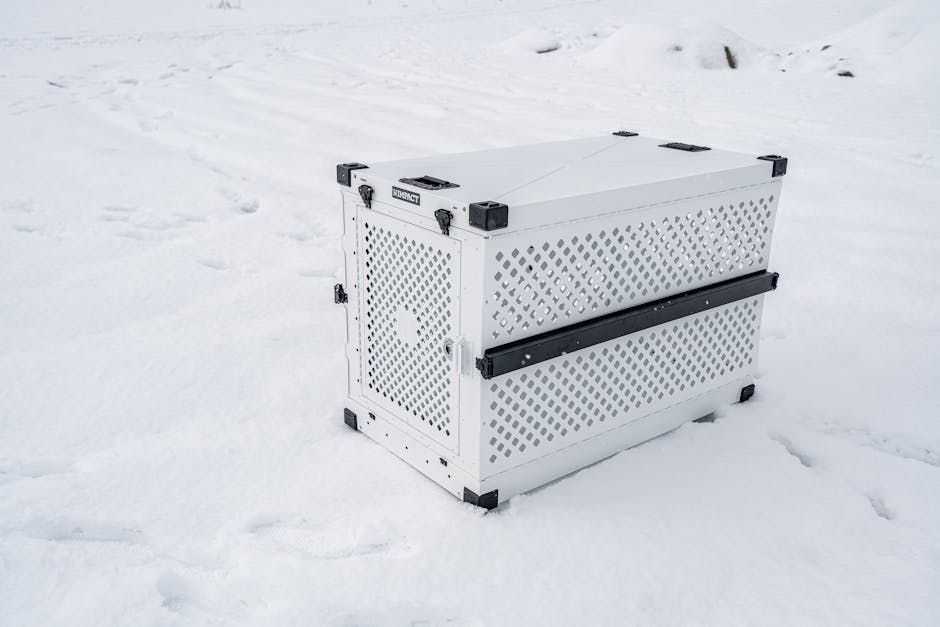
- Crate: $50 for a small breed wire crate, up to $200 for a large breed heavy-duty model. Don’t cheap out here. My $30 Amazon crate lasted exactly two weeks before my Lab mix bent the bars.
- Bed/mat: $30 to $150. Skip the fancy orthopedic bed for now — puppies destroy everything. Get something washable and replaceable.
- Food and water bowls: $15 to $40. Stainless steel, elevated if you’ve got a big breed prone to bloat.
- Collar, leash, ID tags: $25 to $60 depending on quality.
- Puppy food: Budget $30 to $60 for your initial supply.
- Toys: $30 to $75. Mix of chew toys, puzzle toys, and something squeaky they can destroy.
- Enzymatic cleaner: $15 to $25. You will need this. Trust me.
- Baby gates: $25 to $100. Unless you enjoy puppy chaos in every room.
Total pre-arrival supply investment: $231 to $551 depending on breed size and whether you go premium or practical.
Small Breed Supply Tip
Little dogs need appropriately sized everything. That giant Kong you bought? Your Yorkie can’t even pick it up. Check size recommendations before ordering.
Step 3: Budget for First-Year Veterinary Care
This is the category that catches new owners off guard. Puppies need a lot of medical attention in year one — we’re talking 3 to 4 vet visits minimum, plus that spay/neuter surgery.
The Vaccine Schedule Reality
Puppies need core vaccines at 8, 12, and 16 weeks. Each visit runs $75 to $200 depending on your vet and location. That’s $225 to $600 just for the basics before your pup can safely walk in a dog park.
Here’s what you’re paying for:
- Distemper/Parvo combo (DHPP): $20 to $50 per shot
- Rabies: $15 to $25
- Bordetella (kennel cough): $20 to $35
- Exam fee: $50 to $100 per visit
Spay/Neuter — The Big One
Private vet clinics charge $200 to $600 for routine procedures. Spaying costs more than neutering — expect $350 to $600 for females. Large breeds and dogs in heat? You’re looking at $800+ sometimes.
Low-cost clinic alternative: Many cities have spay/neuter clinics offering the procedure for under $300. My friend got her rescue Pit Bull spayed for $175 at a clinic in Austin. Worth researching.
| Service | Low Estimate | High Estimate |
|---|---|---|
| Initial exam + vaccines | $100 | $350 |
| Full puppy vaccine series | $225 | $600 |
| Spay (female) | $200 | $600 |
| Neuter (male) | $150 | $400 |
| Microchipping | $25 | $60 |
| Total vet costs | $700 | $2,010 |
Step 4: Don’t Forget Parasite Prevention (It Adds Up)
Fleas, ticks, and heartworm are non-negotiable. Skip these and you’re gambling with expensive treatment costs later — heartworm treatment runs $1,000 to $3,000.
Monthly preventatives cost $15 to $35 per month, so that’s $180 to $420 annually. Larger dogs need higher doses, so a Great Dane’s prevention costs nearly double what a Maltese pays.
Extended-release options like Bravecto (works for 12 weeks) or ProHeart 12 (heartworm injection lasting a full year) can simplify things. They cost more upfront but you’re not scrambling for monthly doses.
Step 5: Calculate Food Costs by Breed Size
This is where size matters dramatically. My friend’s Mastiff eats more in a week than my Beagle ate in a month.
Small breeds (under 25 lbs): $20 to $50/month, or $240 to $600/year. They’re cheap to feed. A bag of quality kibble lasts forever.
Medium breeds (25-60 lbs): $50 to $90/month, or $600 to $1,080/year. This is where most popular breeds land — Labs, Goldens, Aussies.
Large breeds (60+ lbs): $80 to $170/month, or $960 to $2,040/year. Big dogs need big food budgets. A 90-pound dog eating premium food? You’re refilling that bag constantly.
Premium vs. Standard Food
Cheap grocery store food runs $20 to $40 for a large bag. Quality brands like Orijen, Acana, or Farmer’s Dog cost 2-3x more. My take? Mid-range quality kibble (Blue Buffalo, Purina Pro Plan, Science Diet) hits the sweet spot — around $60 to $80 per bag for large breeds. Your dog doesn’t need the most expensive food on the shelf, but the cheapest options often cause digestive issues and poor coat quality.
Fresh food delivery services like The Farmer’s Dog or Ollie run $100 to $300+ monthly depending on dog size. Great product, but budget accordingly.
Step 6: Factor in Training Expenses
You can raise a puppy without professional training. But you’ll age about ten years doing it.
Group classes: $100 to $200 for a 4-6 week puppy kindergarten course. This is my strong recommendation for every first-time owner. You learn the basics, your puppy gets socialized, and you meet other people going through the same chaos. Petco and PetSmart run these for about $120.
Private trainers: $50 to $150 per hour. Worth it for specific behavioral issues or if you need faster results. But for basic manners? Group classes work fine.
Board-and-train programs: $1,000 to $3,000+ for 2-4 weeks. These can be excellent or terrible depending on the trainer. Always check credentials and visit the facility.
DIY route: YouTube is free. Kikopup and Zak George have hundreds of videos covering everything from sit to leash reactivity. Combine free resources with a $15 training book and you can muddle through — but it takes more patience.
Step 7: Plan for Grooming (It Varies Wildly by Breed)
A Pug and a Poodle have almost nothing in common when it comes to grooming needs. This is the cost category with the biggest breed-specific variation.
Professional Grooming Costs
- Low-maintenance breeds (Labs, Beagles, Boxers): $30 to $50 per session, needed every 8-12 weeks. Annual cost: $150 to $400.
- Medium-maintenance breeds (Golden Retrievers, Huskies): $75 to $130 per session for de-shedding and trimming. Annual cost: $450 to $800.
- High-maintenance breeds (Poodles, Doodles, Bichons): $65 to $100+ every 4-6 weeks. Annual cost: $780 to $1,500+.
My Goldendoodle-owning friends spend more on grooming than I do on my own haircuts. It’s a real commitment.
DIY Grooming Setup
Initial investment: $100 to $250 for quality clippers, brushes, nail grinder, and shampoo.
Ongoing costs: $30 to $50/year for replacements and supplies.
DIY works great for double-coated breeds (brushing out undercoat) and basic maintenance. But unless you’ve got training, don’t attempt a Poodle cut at home. I’ve seen the results. It’s not pretty.
Step 8: Build an Emergency Fund (Non-Negotiable)
Puppies are accidents waiting to happen. They eat things. They jump off furniture wrong. They find the one toxic plant in your yard.
My recommendation: $1,000 to $2,000 set aside before bringing puppy home.
Common first-year emergencies and their costs:
- Swallowed foreign object (surgery): $1,500 to $3,500
- Broken bone: $1,000 to $4,000
- Parvovirus treatment: $1,500 to $3,000
- Allergic reaction/anaphylaxis: $500 to $2,000
- Toxic ingestion: $500 to $2,500
I know three different people whose puppies needed surgery for eating socks. One was $2,400. This isn’t rare — it’s practically a rite of passage.
Step 9: Evaluate Pet Insurance (Run the Numbers)
Pet insurance for puppies averages $40 to $70/month for comprehensive coverage. That’s $480 to $840 annually. As of January 2026, the national average sits around $60/month for dogs.
When insurance makes sense:
- You’d struggle to cover a $3,000+ emergency bill
- Your breed is prone to health issues (Bulldogs, Dachshunds, German Shepherds)
- You want predictable monthly costs instead of surprise bills
When to skip it:
- You’ve got a $5,000+ emergency fund earmarked for pet expenses
- You’re adopting a mixed breed with no obvious health predispositions
- You’d rather self-insure with a dedicated savings account
Critical timing: Enroll before your puppy has any documented health issues. Pre-existing conditions aren’t covered, and once something’s in the vet records, it’s there forever.
Companies worth comparing: Healthy Paws, Embrace, Lemonade, and Trupanion all score well for accident/illness coverage. Get quotes for your specific breed and zip code — premiums vary dramatically by location.
Step 10: Account for Hidden Costs Most People Miss
Here’s what nobody tells you about puppy budgeting:
Dog-proofing your home: $50 to $200 for outlet covers, cabinet locks, cord protectors, and furniture anchors. That puppy will find every hazard.
Replacement costs for destroyed items: I’ve lost two pairs of shoes, a laptop charger, and a corner of my coffee table. Budget $100 to $300 for the inevitable casualties.
Boarding/pet sitting: $30 to $80/day depending on your area. A week-long vacation suddenly costs an extra $200 to $500. This catches people hard.
Dog license: $10 to $50/year depending on municipality. Some areas charge more for unaltered dogs.
Treats and supplements: $20 to $50/month if you’re training actively. Those training treats add up fast.
Poop bags: Sounds dumb, but you’ll go through hundreds. $15 to $30/year.
Step 11: Cut Costs Without Cutting Corners
You don’t have to spend top dollar on everything. Here’s where I save money:
- Low-cost vaccine clinics: Tractor Supply, Petco, and local humane societies often run vaccine clinics at 50-70% less than vet office prices.
- Buy food in bulk: Chewy’s autoship saves 5-10% and larger bags cost less per pound.
- Learn basic grooming: Nail trimming, ear cleaning, and brushing at home saves hundreds annually.
- DIY enrichment toys: A frozen Kong with peanut butter entertains as well as any $30 puzzle toy.
- Split training costs: Some trainers offer semi-private sessions where you share the hour with another owner at a reduced rate.
Where you shouldn’t cut costs: quality food, parasite prevention, and vet care. Skimping here creates bigger bills later.
Complete First-Year Budget Summary by Breed Size
Here’s the full picture, assuming you’re buying from a reputable source (not the cheapest or most expensive option):
| Expense Category | Small Breed | Medium Breed | Large Breed |
|---|---|---|---|
| Acquisition | $300 – $2,500 | $300 – $3,000 | $400 – $3,500 |
| Supplies | $200 – $400 | $250 – $450 | $300 – $550 |
| Veterinary (routine) | $600 – $1,200 | $700 – $1,400 | $800 – $1,600 |
| Food (annual) | $240 – $600 | $600 – $1,080 | $960 – $2,040 |
| Parasite prevention | $180 – $300 | $240 – $360 | $300 – $420 |
| Grooming | $150 – $600 | $300 – $900 | $400 – $1,200 |
| Training | $0 – $300 | $0 – $300 | $0 – $300 |
| Emergency fund | $1,000 | $1,000 – $1,500 | $1,500 – $2,000 |
| Hidden costs | $150 – $300 | $200 – $400 | $250 – $500 |
| First Year Total | $2,820 – $7,200 | $3,590 – $9,390 | $4,910 – $12,110 |
These ranges assume you’re not purchasing pet insurance. Add $480 to $840 annually if you choose coverage.
Frequently Asked Questions
Is it cheaper to adopt a puppy or buy from a breeder?
Adoption is significantly cheaper upfront — usually $129 to $767 versus $1,500 to $4,000+ from a breeder. But the real value in adoption goes beyond the price tag. Shelter fees typically cover spay/neuter surgery ($200-$600 value), microchipping ($50 value), and initial vaccinations ($100-$300 value). When you factor those inclusions, you’re saving $800 to $1,200 compared to a breeder puppy who needs all those services separately.
What’s the most expensive part of owning a puppy in the first year?
For most owners, it’s veterinary care — specifically that initial vaccine series plus spay/neuter surgery. You’re looking at $700 to $2,000 depending on your vet and your dog’s size. The exception: if your puppy has a medical emergency. One foreign body surgery can exceed your entire projected first-year budget in a single vet visit.
How much should I budget monthly for a new puppy?
After initial setup costs, plan for $150 to $300/month for a small breed, $200 to $400/month for a medium breed, and $300 to $500/month for a large breed. This covers food, parasite prevention, routine vet visits spread across months, and grooming. Emergency costs aren’t included because they’re unpredictable — that’s what your emergency fund covers.
Do large breed puppies really cost that much more than small breeds?
Yes. The difference is substantial and compounds over your dog’s lifetime. Large breeds eat 3-5x more food, require higher doses of flea/tick/heartworm prevention, need bigger (more expensive) supplies, and often have higher grooming and veterinary costs. A Great Dane’s first year can easily cost $3,000 to $4,000 more than a Chihuahua’s, and that gap continues every year.
When’s the best time to get pet insurance for a puppy?
As early as possible — ideally within the first few weeks of bringing them home. Pet insurance doesn’t cover pre-existing conditions, and once something shows up in vet records (even a minor issue), it’s documented forever. Enrolling early means your puppy has a clean slate. Most policies have a 14-day waiting period for illness coverage anyway, so there’s no benefit to waiting.
The Bottom Line
Bringing home a puppy is one of the best decisions you’ll ever make. It’s also one of the most expensive, and pretending otherwise sets you up for financial stress during what should be an exciting time.
The real first-year cost? $2,800 to $12,000 depending on your dog’s size, your choices about food and training, and whether Murphy’s Law decides to visit with an emergency vet bill. Most owners land somewhere in the $3,500 to $6,000 range for a medium-sized dog from a shelter or rescue.
My advice: build your emergency fund first, calculate your monthly carrying costs honestly, and don’t let Instagram convince you that your puppy needs a $400 designer carrier. They need your time, consistent training, quality nutrition, and proper vet care. Everything else is optional.
Now go find your new best friend. Just make sure your budget is ready for them.
Featured Image Source: Pexels