

Last August Changed How I Think About Summer Walks
It was 26°C — warm but nothing dramatic by British standards — when I noticed my Labrador, Mabel, lagging behind on our usual afternoon loop. She’s nine now, a bit grey around the muzzle, but she’s never been a quitter. By the time we got home, she was panting so hard I genuinely panicked. Threw wet towels on her, called the vet, the whole bit. She was fine. But I wasn’t.
That afternoon I ordered three different cooling products. Then two more. Over the following summer I tested cooling mats, vests, bandanas, and various DIY solutions across two dogs, multiple UK heatwaves, and one very humid August fortnight where nothing worked properly. Here’s what I actually learned.
Why Dogs Overheat Faster Than You’d Expect
Dogs can’t sweat. Not really. They’ve got a few sweat glands in their paw pads, but cooling happens almost entirely through panting. Hot air in, slightly cooler air out, moisture evaporating from the tongue and respiratory tract. It works reasonably well — until it doesn’t.
The problem is that panting generates heat too. A dog working hard to cool down is simultaneously warming up from the effort. Add a thick coat, a stocky build, or a shortened airway, and you’ve got trouble.
Flat-faced breeds get it worst. Research from the Royal Veterinary College found brachycephalic dogs are four times more likely to develop heatstroke than normal-faced breeds. British Bulldogs specifically are 14 times more likely than Labradors. Pugs clock in at six times the risk. And here’s the bit that shocked me: brachycephalic breeds can start overheating at just 21°C. That’s a pleasant May afternoon.
But it’s not only squash-faced breeds. The VetCompass study also flagged Chow Chows (17 times the risk of Labs), Greyhounds (four times), Golden Retrievers (three times), and Cavalier King Charles Spaniels (three times). Thick coats, large bodies, age, weight — they all compound the risk.
How Cooling Products Actually Work
There are two main approaches, and they’re suited to different situations.
Evaporative cooling mimics sweating. You soak a vest or bandana in water, wring it out, and put it on your dog. As the water evaporates, it pulls heat away from the body. Simple physics. The better vests use a three-layer system: an outer layer to reflect heat, an absorbent middle layer that holds water, and a mesh lining that keeps the dog’s fur relatively dry.
The catch? Humidity destroys evaporative cooling. On a muggy August day with 80% humidity, water barely evaporates at all. Instead of a cooling vest, you’ve just wrapped your dog in a warm, wet blanket. I learned this the hard way.
Gel-based cooling works through conduction. Pressure-activated gels absorb body heat when your dog lies on them, then release it slowly into the surrounding air when they get up. No water needed, no prep time. But gel mats have limited capacity — they warm up after prolonged contact and need time to “recharge” once the dog moves off.
Neither technology is magic. Both have their place.
The Cooling Mats I Actually Tested
Pecute Dog Cooling Mat
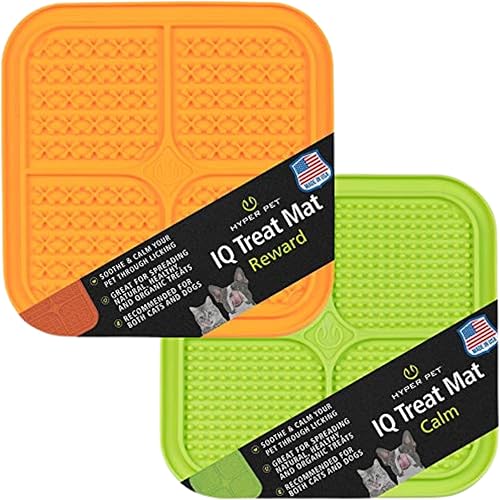
This is the one with 16,000+ Amazon reviews, and there’s a reason for that. It just works. The gel activates immediately under pressure, no fridge required, and stays noticeably cool for a couple of hours of intermittent use.
The 300D Oxford outer fabric has survived both my dogs without punctures — Mabel’s a digger, so that’s meaningful. Double-pressed edges reduce leak risk. It rolls up small enough for the car boot. At around £20-30 depending on size, it’s genuinely good value.
The downside: like all gel mats, it warms up during extended contact. If your dog lies in one spot for an hour, that spot stops being cool. They need to shift around or take breaks for the gel to recharge. Also, some dogs just refuse to lie on it. The slight squish feels wrong to them.

All For Paws Chill Out Fresh Breeze Mat
This one takes a completely different approach — it’s essentially a padded mattress that stays naturally cooler than ambient temperature. No gel, no risk of punctures or leaks.
My friend’s German Shepherd destroys everything, and this mat survived three months. The lack of gel makes it particularly good for anxious chewers. But the trade-off is that it doesn’t cool as dramatically as the Pecute. Think “slightly less warm” rather than “genuinely cold.”
Good choice if your dog is suspicious of weird textures or you’re worried about gel leaks. Less effective if you need serious cooling power.
Ivy & Duke x CoolSoft Mat
The premium option. This is fabric-based rather than gel-based — it feels like a blanket rather than a plastic mat, which some dogs massively prefer. The CoolSoft technology wicks moisture and conducts heat away without any of the squidgy sensation that puts certain dogs off.
It’s also machine washable, which is more valuable than it sounds after a summer of muddy paws and post-walk flops.
The downsides: it’s expensive, it only comes in one size (90x70cm, so not great for giant breeds), and the cooling effect is more subtle than gel alternatives. Dogs with thick undercoats might not notice much difference.
| Mat | Cooling Type | Price Range | Durability | Best For |
|---|---|---|---|---|
| Pecute | Gel-activated | £20-30 | High | Most dogs, good value |
| All For Paws | Natural cooling | £15-25 | Very high | Chewers, nervous dogs |
| Ivy & Duke | Fabric conduction | £40-50 | High | Dogs who hate gel textures |
Cooling Vests: Where It Gets Complicated
Vests are more effective than mats for active cooling — thermal camera tests show surface temperature drops of 12°F or more. But they’re also more finicky, more dependent on climate conditions, and harder to introduce to reluctant dogs.
Ruffwear Swamp Cooler Vest
The gold standard. Three polyester layers, UPF 50+ sun protection, reflective trim, generous sizing that fits over harnesses. Ruffwear’s own thermal imaging shows surface temperatures dropping from 106°F to 74°F under the vest. That’s not marketing fluff — independent Dog Gear Review testing with thermal cameras confirmed similar results.
The loose fit isn’t a design flaw, it’s intentional. The air gap promotes circulation. Areas where the vest stands away from the body (shoulders, waist) cool slightly less, but overall coverage is excellent.
I’ve used this on multi-hour summer hikes. It needs re-wetting every 45 minutes to an hour in direct sun, longer in shade. The cooling effect kicks in within about five minutes of putting it on.
The negatives: it’s not cheap (around £45-55), it’s useless in high humidity, and some dogs hate wearing anything on their torso. The sizing is generous but not infinite — measure your dog’s girth carefully.
Kurgo Core Cooling Vest
Sportier looking than the Ruffwear, with a more structured fit. The padding that holds water is substantial, and testers found it stayed cooler and wetter slightly longer than some competitors. Heavy-duty zips, wide webbing straps, proper construction throughout.
But that padding is also heavier when wet. Some smaller dogs find it cumbersome. And the tighter fit that looks so smart also means less airflow than the Ruffwear’s intentionally loose design. Swings and roundabouts.
Price is similar to the Ruffwear. Worth considering if the Swamp Cooler’s baggy aesthetic bothers you or if your dog is between sizes on the Ruffwear chart.
Prestige Cool-Coat
The budget option. It does cool your dog down — thermal readings confirmed that even in the ManyPets testing. But the material feels stiffer than the premium options, the dog’s fur gets damper, and it doesn’t have the sophisticated moisture management of the Ruffwear.
At under £20, though, it’s a decent first cooling vest if you’re not sure your dog will tolerate one. Treat it as a trial run.
ThermLow Cooling Coat
British-made, lightweight, evaporative cooling. Users report it doesn’t leave dogs soaking wet — the fabric holds water without dripping. Easy to top up during walks. Good reviews from owners across multiple breeds.
The main selling point is simplicity: soak, squeeze, go. No elaborate prep, no complicated adjustment. Around £25-35 depending on size.
Which Product for Which Dog
Flat-faced breeds (Bulldogs, Pugs, French Bulldogs): These dogs need the most aggressive cooling, but they also struggle with exertion. A good gel mat at home is essential. If using a vest, consider ice-pack styles rather than evaporative ones — they work regardless of humidity, which matters because brachycephalic breeds overheat at lower temperatures, often on days that feel mild to us. Keep outdoor activity brief no matter what products you use.
Thick-coated breeds (Huskies, Malamutes, Newfoundlands): Evaporative vests struggle to penetrate dense undercoats. Gel mats work better because the dog lies directly on them. Consider professional grooming to thin the undercoat before summer. Don’t shave — their coat also provides sun protection.
Senior dogs: Similar challenges to flat-faced breeds, often with added weight and reduced mobility. Prioritise mats over vests since older dogs are less likely to tolerate wearing something. Keep the mat in their favourite resting spot.
Active working or sport dogs: The Ruffwear Swamp Cooler was essentially designed for this use case. Re-wet every 30-45 minutes during high activity. Carry water specifically for the vest.
Dogs who hate wearing anything: Don’t force it. A vest that stresses your dog out raises their body temperature — counterproductive. Use mats, frozen Kongs, and shade instead.
The Humidity Problem
This deserves its own section because it catches people out. Everything I’ve said about evaporative cooling assumes relatively dry air. Much of the UK in August? Not dry.
When humidity exceeds about 70%, evaporation slows dramatically. At 85%+, it essentially stops. Your “cooling” vest becomes an insulating layer trapping heat against your dog’s body.
I’ve had walks where the Swamp Cooler made a clear difference and walks where it seemed to make things worse. The variable was always humidity. Check your weather app. If it shows high humidity alongside high temperatures, stick to mats, frozen treats, and staying indoors during peak heat.
Getting Reluctant Dogs Onboard
Some dogs step onto a cooling mat and sigh with relief. Others look at you like you’ve lost your mind.
For mats: put it in their usual sleeping spot. Drop treats on it. Sit next to it yourself. Don’t force them onto it — let curiosity win. One trick that worked for my friend’s suspicious terrier: put the mat in the car first. By the time they got home, she’d been lying on it for an hour and decided it was fine.
For vests: drape it over them dry first, treats flowing. Then try it wet but not fastened. Build up gradually. Some dogs take weeks to accept wearing something. Others never do, and that’s okay.
The worst thing you can do is wrestle a stressed dog into a cooling vest on a hot day. You’ve just raised their temperature through exertion and stress hormones. Know when to abandon the plan.
DIY Alternatives That Actually Work
Frozen Kongs: Fill with peanut butter, banana, plain yoghurt, or soaked kibble. Freeze overnight. The dog gets enrichment, the licking action promotes cooling, and the frozen treat lowers core temperature. This is genuinely effective, not just a distraction.
Paddling pools: Most dogs love them. The Aldi sprinkler mat (£6.99) connects to a hosepipe and provides hours of entertainment. Even a basic kids’ shell pool works. Some dogs won’t get in — try standing in it yourself first. They’re imitators at heart.
Wet towels underneath, not on top: The RSPCA is clear about this. Don’t drape wet towels over a dog — they can trap heat. Wet towels under them work fine, especially on tile or concrete floors that stay naturally cool.
Ice cubes in water: Simple, effective, most dogs love it. Some people worry about thermal shock — there’s no evidence this is a real concern for healthy dogs.
Safety Beyond Cooling Products
Cooling products are supplements, not solutions. They extend the safe window for activity. They don’t eliminate risk.
The seven-second rule: Press the back of your hand to the pavement. If you can’t hold it there for seven seconds, it’s too hot for paws. At 25°C air temperature, asphalt can hit 52°C. That’s burn territory within sixty seconds.
Timing: Walk before 8am or after 8pm during genuine heatwaves. Yes, this is inconvenient. Heatstroke is more inconvenient.
Shade and water: Bring both. Always. A cooling vest means nothing if your dog can’t find shade and drink.
Know the signs: Heavy panting, excessive drooling, red or purple gums, confusion, staggering, collapse. Heatstroke escalates fast. One in seven dogs treated by vets for heatstroke dies. Move them to shade, start cooling with cool (not ice-cold) water, call your vet immediately. Don’t wait to see if they recover.
Where to Buy
Amazon UK has the widest selection. The Pecute mat, Ruffwear Swamp Cooler, Kurgo vest, and ThermLow coat are all available with Prime delivery. Prices fluctuate during summer — the Pecute frequently goes on sale.
Pets at Home stocks cooling products in-store during summer months. Their Sunny Daze raised bed with UV canopy (around £50) is worth seeing in person before buying. Selection is more limited than Amazon but you can see products before purchasing.
Aldi runs seasonal ranges that sell out fast. Their 2026 summer pet range includes sprinkler mats at £6.99 and elevated sunshade beds at £16.99. If you spot them, grab them.
Direct from brands: Ruffwear UK ships from UK warehouses. Ivy & Duke is British-made and ships directly. Worth checking if Amazon is out of stock.
The Verdict
Best overall: Ruffwear Swamp Cooler Vest. It’s expensive, it requires re-wetting, and it’s useless in humidity. But when conditions are right, nothing else comes close for active cooling on walks.
Best mat: Pecute Dog Cooling Mat. The gel technology works, it’s durable, and the price is right. Most dogs will use it happily.
Best budget: Prestige Cool-Coat (vest) or Aldi’s seasonal range (mats and accessories). Good enough to find out if your dog tolerates cooling products before spending serious money.
Best for flat-faced breeds: A combination approach — gel mat at home, ice-pack vest for outdoor time if they’ll tolerate it, and honestly, mostly just staying inside during peak heat. These breeds need the most caution.
Best for suspicious dogs: Ivy & Duke CoolSoft Mat or All For Paws Chill Out. Fabric textures that feel normal rather than weird plastic sensations.
I still have that Swamp Cooler vest. Mabel’s worn it on every summer hike since that scary afternoon. Whether it’s been three years now? Four? She’s slowed down, so our walks are shorter anyway. But I’ve watched her lie on the Pecute mat in the kitchen, sigh, and close her eyes on days when she used to pace restlessly, unable to get comfortable.
That’s what £70 of cooling products bought me: a dog who actually enjoys summer instead of just surviving it. Worth every penny.
Frequently Asked Questions
Can I put a cooling mat in the freezer to make it colder?
Don’t. Gel mats are designed to work at room temperature. Freezing can damage the gel structure and make the surface too cold — dogs can actually get frostbite from sustained contact with frozen surfaces. If you want something ice-cold, get a dedicated ice mat or just use frozen water bottles wrapped in towels.
My dog won’t go near the cooling mat. Any suggestions?
Give it time. Put treats on it, move it to their favourite sleeping spot, leave it out for days without making a fuss. Some dogs take weeks to accept new surfaces. If they’re still suspicious, try the fabric-based options like Ivy & Duke — they feel more like normal bedding. And honestly, some dogs never accept mats. That’s fine. Use other methods.
Do cooling vests work in humid weather?
Evaporative ones don’t, not really. High humidity prevents evaporation, which is the entire mechanism. On humid days, use gel mats, stay in air conditioning, or look into ice-pack style vests that cool through direct thermal transfer rather than evaporation.
Featured Image Source: Pexels