

My Dog Almost Collapsed on a Trail Last August
We were three miles into what was supposed to be an easy hike when I noticed Murphy — my 7-year-old Golden Retriever — lagging behind. His tongue was hanging low, his gait had gone wobbly, and when I touched his ears, they were burning hot. I’d brought water. I’d picked a shaded trail. It was only 28°C. And I’d still nearly given my dog heat stroke.
That afternoon changed how I think about summer with dogs. I spent the next two years testing every cooling product I could find — vests, mats, elevated beds, even one of those ridiculous splash pads my kids insisted on. Here’s what actually works.
Dogs Don’t Sweat It Out Like We Do
Here’s the thing most people get wrong: dogs can’t cool themselves efficiently. They’ve got sweat glands only in their paw pads (useless for whole-body cooling), so they’re stuck with panting. Panting works by evaporating moisture from their tongue and respiratory tract. When it’s humid? That evaporation slows to a crawl. When they’re dehydrated? Even worse.
The scary part is how fast things go wrong. Heat stroke can kill a dog in under 15 minutes. Not exaggeration — actual veterinary data. And some dogs are basically walking heat stroke risks:
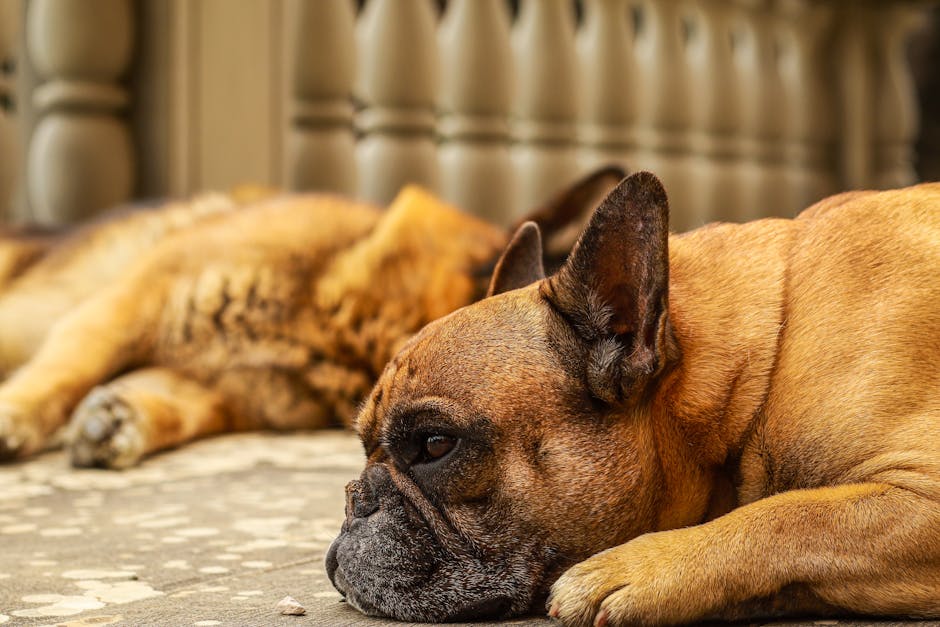
- Flat-faced breeds (Bulldogs, Pugs, French Bulldogs) — their compressed airways make panting dramatically less effective
- Senior dogs — circulation isn’t what it used to be
- Puppies — haven’t developed proper thermoregulation yet
- Overweight dogs — extra insulation they can’t shed
- Double-coated breeds — yes, the coat insulates against heat too, but not enough when it’s genuinely hot
Murphy’s a Golden. Athletic, healthy weight, plenty of water. Didn’t matter. The ambient temperature plus his exertion nearly did him in.
The Two Technologies That Actually Work
Forget the marketing fluff. Dog cooling gear comes down to two approaches that function completely differently.
Evaporative cooling works like a wet t-shirt. You soak the vest, wring it out, and put it on the dog. As water evaporates, it pulls heat away from the body. Simple, effective, cheap. But — and this is the critical bit — it fails in humidity. If the air is already saturated with moisture, evaporation barely happens. You’ve just wrapped your dog in a wet blanket that traps heat. I learned this the hard way during a muggy July afternoon in Hampshire. Murphy was hotter with the wet vest than without it.
Phase Change Material (PCM) vests contain gel packs that absorb heat at a specific temperature, then release it later. Think of them like the opposite of hand warmers. They work regardless of humidity. The tradeoff? They’re heavier, more expensive, and you need to refreeze or recool the packs every few hours.
If you live somewhere dry — American Southwest, Mediterranean coast, genuinely arid — evaporative vests are brilliant. Anywhere with humidity above 50-60%, you want PCM or you’re wasting money.
The Ruffwear Swamp Cooler Changed My Mind
I’ll be honest: I thought £45 for a dog vest was absurd. Then I saw what this thing actually does.
Someone ran a thermal camera test on the Swamp Cooler — soaked the vest, put it on a dog who’d been sitting in 172°F (78°C) surface heat, and within three minutes the covered areas had dropped to 91.5°F (33°C). That’s nearly 80 degrees Fahrenheit of cooling. On a dog.
I’ve been using the Swamp Cooler for two summers now, and here’s what I’ve found:
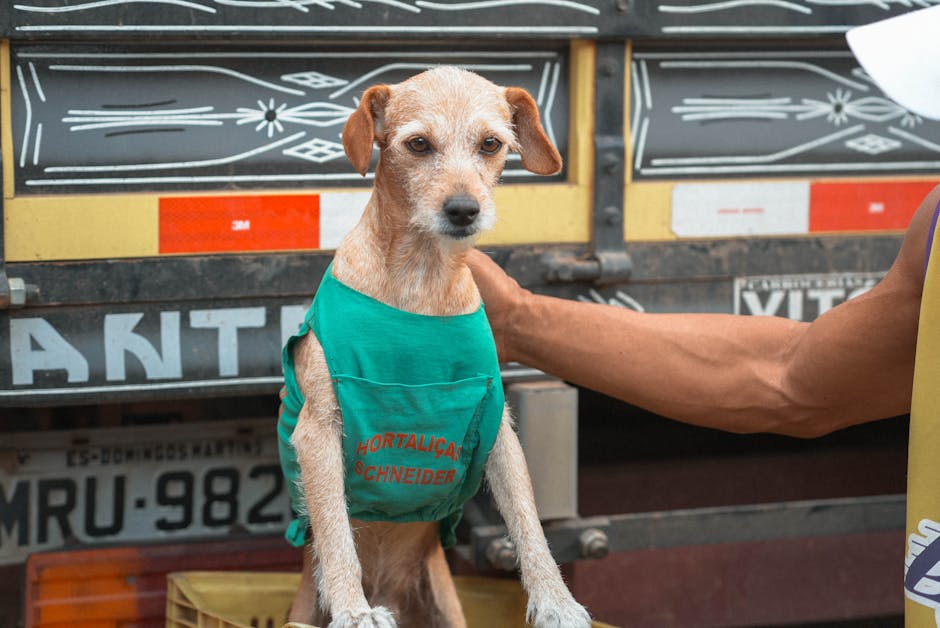
The coverage matters more than I expected. It wraps around the chest and belly — the areas with the most blood flow near the surface. The reflective trim on top bounces sunlight rather than absorbing it. And the three-layer construction (wicking outer, absorbent middle, mesh inner) actually stays damp for 45-90 minutes depending on conditions.
What genuinely impressed me: The sizing runs true. I measured Murphy’s chest (75cm), ordered a Large, and it fit perfectly on the first try. After too many dog products that run mysteriously small, this was refreshing.
What frustrated me: When it dries out and you don’t notice, it becomes an insulating layer. This happened twice before I started setting phone timers. Also, drying time after washing takes forever — like, 24 hours — so you need two if you’re doing consecutive hot days.
| Spec | Swamp Cooler |
|---|---|
| Type | Evaporative |
| Weight (L) | 240g dry |
| Cooling duration | 45-90 mins |
| Price | £40-50 |
| Best for | Dry climates, hiking, active dogs |
The Swamp Cooler Harness version adds an integrated leash attachment point and a handle for lifting dogs over obstacles. If you’re a serious hiker, it’s worth the extra £15. I tried it once and went back to the regular version because I don’t need the harness — my dogs wear their normal gear plus the vest over top. But if you want to simplify your setup, it’s well-designed.
The Alternatives I’ve Actually Used
Kurgo Core Cooling Vest — About £10 cheaper than the Ruffwear. Cools noticeably less (maybe 70% as effective in my side-by-side testing), but dries faster after washing. The fit is also looser, which some dogs prefer but which I think reduces skin contact and therefore cooling efficiency. If you’re budget-conscious and live somewhere dry, it’s fine. It’s not my first choice.
Ruffwear Jet Stream — This is their close-fit lightweight option. Less coverage, less cooling capacity, but almost invisible under a harness. I bought one for my parents’ smaller dog, an anxious Cocker Spaniel who panics at bulky gear. Works well for short walks, not for serious heat or extended activity.
Random Amazon Vests — I’ve tried three of the generic £15-20 options. Two fell apart within a season. One survived but the fabric holds a weird smell after getting wet repeatedly. You can absolutely get lucky, but for something you’re trusting with your dog’s thermoregulation, I’d rather spend more once.
Cooling Mats: A Different Problem Entirely
These aren’t for outdoor use — they’re for giving your dog a cool spot to lie down inside or in the shade.
The Green Pet Cool Pet Pad uses pressure-activated gel that cools without refrigeration. Dog lies on it, pad feels cool, simple. I keep one by the back door where Murphy crashes after walks. Works well. My only complaint is it’s slippery on hardwood, so I put a thin rug underneath.
Here’s my warning though: if your dog is a chewer, skip gel-based mats entirely. The gel isn’t toxic in small amounts, but it’s not something you want your dog eating, and the repair isn’t worth it. For chewers, look at elevated mesh beds that let air circulate underneath instead.
The Dangerous Mistake I Nearly Made
You need to understand this: a dry evaporative vest is worse than no vest at all.
I mentioned this earlier, but it’s worth a dedicated section because it’s the thing that could genuinely hurt your dog. Once the water evaporates, you’re left with a layer of fabric pressed against your dog’s body. That fabric traps their body heat. It insulates them. Their temperature rises faster than it would without the vest.
I got complacent on a long walk, didn’t re-wet the Swamp Cooler, and Murphy started showing heat stress signs even though he was “wearing cooling gear.” Set timers on your phone. Every 45 minutes in moderate conditions, every 30 in hot weather. Check the vest. If it’s warm to the touch, it needs re-soaking.
And this should go without saying, but: cooling gear doesn’t make hot weather safe. It expands your margin. When it’s 35°C and humid, the answer isn’t “use better gear” — the answer is “stay inside during peak hours.” I aim for early morning or evening walks above 27°C, cooling vest or not.
Match the Gear to Your Dog
This isn’t one-size-fits-all.
Brachycephalic breeds (Bulldogs, Pugs, etc.) need more caution than gear can provide. Their compromised airways mean cooling through panting is genuinely impaired. A vest helps, but you need shorter sessions, more breaks, and a much lower threshold for calling it quits. I’d use PCM over evaporative for these dogs even in dry climates — the consistent cooling is worth the extra weight.
Double-coated breeds — don’t shave them. I know it seems logical, but that undercoat actually provides some insulation against heat, and shaving can damage the coat permanently. Use a vest over the coat. A good de-shedding before summer helps too.
Swimming dogs — here’s a wrinkle I didn’t expect. After Murphy’s been in the lake, his thick coat stays wet for ages. That sounds like built-in evaporative cooling, right? It is, briefly. But a soaked coat against skin, especially in humid conditions, can actually trap heat once the surface dries. I towel him down thoroughly, then put the cooling vest on damp (not soaked) for the walk back to the car.
Is Expensive Gear Worth It?
Depends how much you use it.
Ruffwear Swamp Cooler: £45. Over two summers of twice-weekly use from May through September, that’s roughly 40 uses per year, 80 uses total. 56p per use. For gear that measurably keeps my dog safer during the months we’re most active together? That’s an obvious yes for me.
If you walk your dog twice a summer and otherwise stay inside? A wet towel draped over them works. Frozen Kongs filled with peanut butter help. A paddling pool in the shade is cheap and effective. You don’t need premium gear for occasional use.
But if you hike, run, or spend real time outdoors with your dog between May and September, investing in proper cooling gear is one of the better purchases you can make. Heat stroke treatment costs hundreds of pounds and sometimes doesn’t work. Prevention costs £45.
Building Your Summer Kit
Here’s what I actually use and recommend:
- Ruffwear Swamp Cooler (or PCM alternative if you’re somewhere humid) — for active outdoor time
- Green Pet Cool Pet Pad — for indoor recovery and sleeping
- Collapsible water bowl + frozen water bottle — the bottle keeps water cold for hours and can be pressed against their belly in emergencies
- Phone timer habit — re-wetting reminders aren’t optional
That’s it. You don’t need the dog-specific sunscreen (regular SPF works for exposed skin). You don’t need the cooling bandanas (they’re too small to make a meaningful difference). You don’t need the elaborate misting systems unless you’re genuinely running a boarding kennel.
Murphy’s 9 now. Still hiking, still swimming, still dragging me up hills I’d rather skip. And every hot weather walk, I think about that August afternoon where I almost lost him because I didn’t understand how quickly things can go wrong.
Get the vest. Use it properly. Set the timer.
Quick Answers
Can I use a human cooling towel on my dog?
Technically yes, but they’re sized wrong and don’t stay in place. Purpose-built dog vests cost the same and work better. Don’t cheap out here.
How do I know if my dog is overheating?
Excessive panting (louder and faster than normal), drooling, bright red gums, stumbling, vomiting. If you see any of these, get them to shade, wet their paw pads and groin with cool (not cold) water, and call your vet. This isn’t something to wait out.
Does coat colour matter?
Yes — dark coats absorb more heat. Black dogs in particular need more vigilance. But even a white dog can overheat quickly, so don’t get complacent.
My dog hates wearing things. Any advice?
Start with short indoor sessions with treats. The Jet Stream is less obtrusive than the Swamp Cooler if bulk is the issue. Some dogs genuinely never accept vests — for them, focus on timing (early/late walks only) and stationary cooling options.
Featured Image Source: Pexels