

Every spring, my inbox fills up with the same panicked texts. “My Golden won’t stop scratching.” “Does my Frenchie need Benadryl?” “Is this normal or should I call the vet?”
Since I got my first dog back in 2009 — including a Westie who cost me a small fortune in vet bills — I’ve learned that certain breeds just got dealt a lousy hand when it comes to seasonal allergies. Knowing which dogs are most at risk can save you thousands in reactive vet visits.
Allergies in dogs aren’t like human hay fever. Your dog can’t tell you their eyes are itchy or their skin feels like it’s crawling. By the time you notice the obsessive paw-licking or the bald patches, they’ve often been miserable for weeks. So let’s talk about which breeds need extra vigilance during pollen season — and what actually works to help them.
Why Certain Breeds Are More Allergy-Prone
Nobody mentioned this when I got my first dog: allergies are largely genetic. Atopic dermatitis — the fancy term for allergic skin disease — runs in family lines. If a breeder’s dogs have allergy issues, their puppies probably will too.
But it’s not just genetics. Skin structure matters. Breeds with lots of folds (Bulldogs, Shar-Peis) trap pollen, moisture, and bacteria in those creases. Breeds with thick double coats can hold onto allergens like a fur-covered Swiffer. And brachycephalic breeds — the flat-faced ones — often have respiratory sensitivity on top of skin issues because their compromised airways are more reactive to airborne irritants.
Breeding history plays a role too. Many popular breeds come from relatively small gene pools. That limited diversity means health issues, including immune dysfunction, get concentrated over generations. It’s why purebreds tend to have more allergies than mutts, though there are definitely exceptions.
12 Breeds Most Affected by Seasonal Allergies
Golden Retriever
I have to start here because Goldens are basically the poster children for canine allergies. That gorgeous flowing coat? Allergen magnet. Their friendly genetics? Unfortunately paired with a strong predisposition to atopic dermatitis.
Let me walk you through what a typical allergy season looks like for my sister’s Golden, Murphy.
Late February: She starts his Cytopoint injection before any symptoms appear. Learned this the hard way after two years of playing catch-up.
Early March: First pollen hits. Murphy starts rubbing his face on the carpet after walks. Ears get slightly pink inside.
Mid-March to April: Without the early intervention, this is when things used to fall apart. Hot spots the size of silver dollars appearing overnight. Ear infections that smell like a swamp. Rust-colored staining on his paws from constant licking.
What she does now: Wipes him down after every outdoor session. Cleans ears twice weekly with a veterinary solution. Oatmeal bath every Sunday. The Cytopoint injections every six weeks from March through June run about $85 each, but they’ve cut emergency vet visits to zero.
May through June: Gradual improvement as tree pollen drops, but grass pollen picks up. Murphy gets a shorter trim to reduce allergen trapping.
The difference between a managed Golden and an unmanaged one during allergy season is stark. Murphy went from bleeding hot spots and constant misery to mild occasional itchiness. Worth every penny and every minute of maintenance.
Labrador Retriever
Labs share many of the same allergy tendencies as Goldens — skin sensitivities, ear infections, food intolerances.
But here’s the twist that catches people off guard: Labs love water. And that’s actually a problem.
My neighbor’s Lab came back from the lake last summer looking like he’d been attacked by fire ants. Swollen, red, bumpy skin across his entire belly and legs. Took three vet visits to clear up. Swimming doesn’t rinse allergens away. It often makes things worse. Wet fur plus pollen plus skin folds equals the perfect environment for yeast and bacteria.
Labs also seem particularly prone to developing food sensitivities alongside environmental allergies. If your Lab has skin issues, your vet will probably suggest an elimination diet at some point. It’s tedious but often reveals chicken or grain sensitivities that pile on top of the seasonal stuff.
French Bulldog
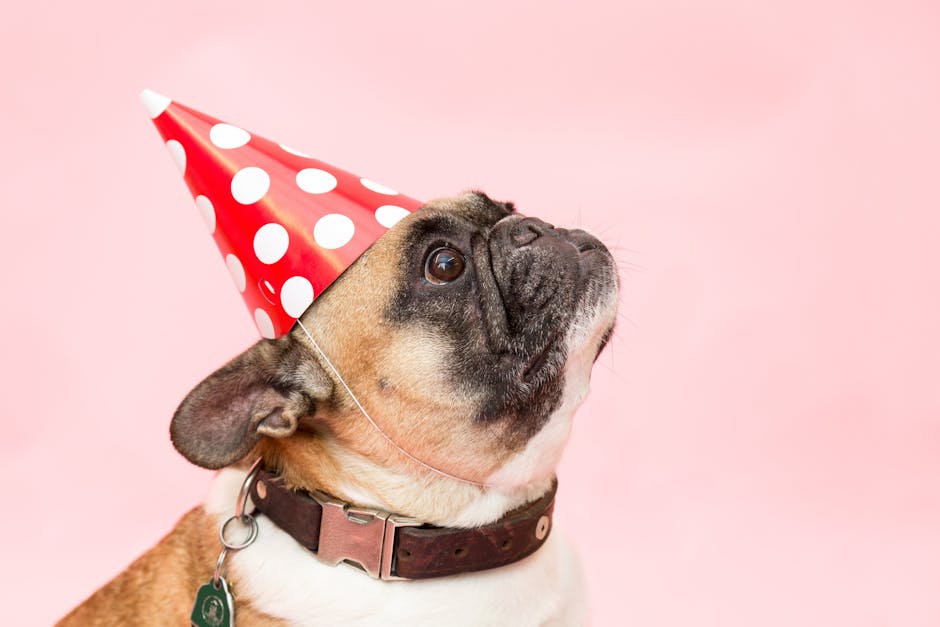
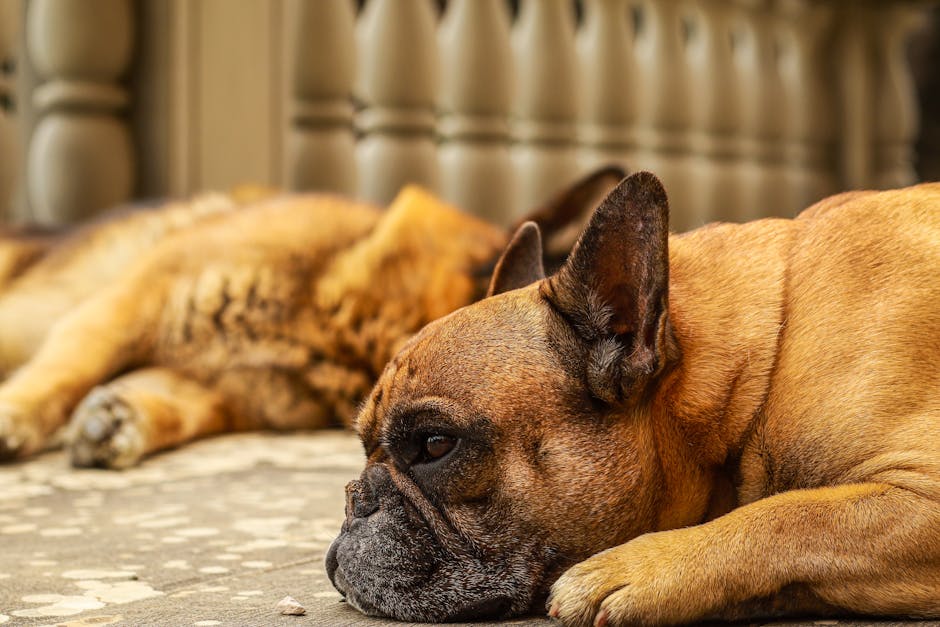
Frenchies are walking allergy factories, and I say that with love. Those adorable face folds? Allergen traps. Those bat ears? Yeast infection waiting to happen. That flat face? Respiratory sensitivity to everything.
A friend paid $3,500 for her Frenchie and has probably spent double that on allergy management in the first three years. Between the medicated wipes for skin folds, the prescription food, the monthly Cytopoint shots, and the emergency vet visit when his face swelled up from a grass allergy… these dogs are expensive to keep comfortable.
Daily attention isn’t optional:
- Clean those face folds every single day during allergy season (yes, every day — skip it and you’ll regret it by day three)
- Check ears weekly
- Consider an air purifier for whichever room they sleep in
- Budget for veterinary dermatology consults — most Frenchie owners end up needing one eventually
German Shepherd
GSDs have a weird relationship with allergies. They’re prone to atopic dermatitis like the other breeds on this list, but they’re also predisposed to immune-mediated conditions that can look similar and require different treatment.
Perianal fistulas, for instance, are linked to immune dysfunction and show up in German Shepherds way more than other breeds. And their food sensitivities are often severe — many GSDs can’t tolerate common proteins at all.
For seasonal allergies specifically, German Shepherds tend to show symptoms on their bellies, armpits, and paws. They’re scratchers and lickers. If your GSD is constantly going at their feet, it’s probably not boredom — it’s allergies.
Bulldog (English)
English Bulldogs make Frenchies look low-maintenance. Every skin fold is a potential infection site. Their short muzzles mean respiratory allergies hit them harder. Their ear canals are narrow and prone to chronic problems.
Bulldogs need constant veterinary care. If you can’t budget for that, pick a different breed. These dogs need you to stay ahead of problems, not react to them. By the time a Bulldog’s skin fold infection is visible, it’s often already painful.
Weekly skin fold cleaning — skip this and you’ll regret it. Some owners do it daily during high pollen counts. Medicated wipes, keeping folds dry, and watching for any redness or smell — that’s the Bulldog life.
Boxer
Boxers develop atopic dermatitis at high rates, and they’re dramatic about it. Scratch until they bleed. Hives across their whole body. Facial swelling that looks alarming.
The hives thing catches people off guard. You’ll let your Boxer out to run around the yard, and they’ll come back covered in welts. Some Boxer owners end up keeping their dogs off grass entirely during peak season — pavement walks only.
West Highland White Terrier
I’ve seen estimates that one in four Westies develops significant skin disease, and from my years in Westie groups online, that absolutely tracks. One in four. That’s not a risk factor — that’s practically a breed characteristic.
Westies have been my allergy education. My own Westie, Archie, spent his first spring with us in 2016 absolutely miserable. Balding in patches on his sides and legs. Scratching so hard he’d yelp. We went through three different vets before finding a dermatologist who actually understood terrier skin.
What I’ve learned in eight years with him:
- Antihistamines alone don’t cut it for most Westies. Archie needs the full protocol.
- Start everything in February, before symptoms begin. Waiting until March means playing catch-up all season.
- Medicated baths twice a week during bad pollen days. Not optional. I use a chlorhexidine shampoo and let it sit for ten minutes.
- Paw wipes after every single outdoor trip. I keep a pack by every door.
- His worst trigger is tree pollen, specifically oak. We figured this out through years of tracking when flares happened.
The turning point for Archie was getting him on Apoquel daily during peak season combined with the bathing routine. His coat finally grew back fully in spring 2018 — first time in two years he wasn’t patchy. Now I’m religious about prevention because I never want to see him that miserable again.
If you’re getting a Westie, talk to your breeder specifically about skin allergies in their lines. A good breeder will be honest. And start budgeting for a dermatology fund before you even bring the puppy home.
Shar-Pei
Those wrinkles are the problem. All of them.
Every crease cleaned and dried. Special attention to face folds and any wrinkles along the body. Miss a day during allergy season and you’re looking at a potential infection. Find a vet who has Shar-Pei experience before allergy season hits — their skin is structured differently and requires specialized knowledge.
Flat-Faced Breeds: A Quick Comparison
Since I’ve covered several brachycephalic breeds, here’s how they stack up:
| Breed | Primary Allergy Issue | Daily Maintenance Level | Typical Annual Allergy Cost |
|---|---|---|---|
| French Bulldog | Skin folds + respiratory | High (daily fold cleaning) | $1,500-3,000 |
| English Bulldog | Severe skin folds | Very High (daily, sometimes twice) | $2,000-4,000+ |
| Shih Tzu | Eyes + respiratory | Moderate (eye rinses, some fold care) | $500-1,500 |
Cocker Spaniel
Those beautiful floppy ears are basically yeast farms.
Cocker Spaniels with allergies often present with ear problems first — chronic infections that keep coming back no matter how many times you treat them. The connection between allergies and ears isn’t always obvious to new dog owners. But allergies cause inflammation, inflammation in the ear canal changes the environment, and suddenly yeast and bacteria thrive.
If your Cocker is shaking their head constantly or you smell something funky from their ears, allergies might be the root cause.
They’re also prone to seborrhea — greasy, flaky skin that gets worse with allergies. Not cute.
Pit Bull / American Staffordshire Terrier
Pitties are sensitive souls in every way, including their skin. High rates of atopic dermatitis, grass allergies that show up as belly rashes after lying in the yard, and sun sensitivity that compounds everything.
Their short coats don’t protect them much from contact allergens, and their skin seems particularly reactive. I’ve seen Pit Bulls break out just from rolling in freshly cut grass.
Sun exposure is a double-edged sword — they need vitamin D, but if their skin is already irritated from allergies, sun exposure makes everything worse. Light-colored Pitties especially need balancing: enough outdoor time but not so much that it triggers a flare.
Bichon Frise
This one surprises people. Bichons are “hypoallergenic” — meaning they’re less likely to trigger allergies in humans. But they’re highly prone to developing allergies themselves.
Two completely different things. A Bichon’s low-shedding coat is great for people with dog allergies. That same dog might be miserable from tree pollen every spring. Itching, redness, hair loss from scratching.
Shih Tzu
Last flat-faced breed, and this one’s a bit different from the Bulldogs.
Shih Tzus get respiratory symptoms more than some other breeds on this list — sneezing, watery eyes, congestion that sounds concerning. Their prominent eyes are particularly sensitive to airborne allergens. If your Shih Tzu’s eyes are constantly weeping during spring, allergies are the likely culprit. Some owners use saline eye rinses daily during high pollen counts.
They can develop skin allergies too, especially in their facial folds and around their ears. Less severe than Bulldogs typically, but still requiring attention.
The Thing Most People Get Wrong About Dog Allergies
Here’s something that took me years to figure out, and I wish someone had told me earlier: Benadryl barely works for most dogs.
Everyone recommends it. It’s cheap. It’s available. And for about 70% of dogs with moderate allergies, it does almost nothing. We spent two full allergy seasons giving Archie Benadryl three times daily, watching him suffer, and thinking “this is just how it is.”
The issue is that canine allergies work differently than human allergies. Benadryl blocks histamine, but dogs’ allergic itch response involves other pathways too — particularly something called IL-31. That’s what Cytopoint targets. That’s why dogs who don’t respond to antihistamines often respond dramatically to Cytopoint or Apoquel.
If you’ve been giving your dog Benadryl for weeks with minimal improvement, stop assuming the allergies just aren’t manageable. Ask your vet about the newer options.
Complete Allergy Management Guide for Spring
Okay, so your dog is one of these breeds, or showing allergy symptoms. Now what?
Antihistamines are the starting point for most dogs. Benadryl (diphenhydramine) is the classic choice — generally safe, widely available, cheap. The standard dose is 1mg per pound of body weight, given 2-3 times daily. But Benadryl makes some dogs drowsy and others hyper. If it’s not working (and honestly, it probably won’t be enough), Zyrtec (cetirizine) or Claritin (loratadine) are alternatives, though you need the plain versions without decongestants. Always check with your vet before starting any medication.
For moderate to severe allergies, talk to your vet about Cytopoint or Apoquel. Cytopoint is an injection that lasts 4-8 weeks and targets the specific itch signal. Most dogs tolerate it well with minimal side effects. Apoquel is a daily tablet that works differently — it’s faster-acting but requires ongoing dosing. Both are prescription-only and neither is cheap. But for dogs with significant allergies, they’re often worth every penny.
Topical treatments help manage symptoms between baths. Medicated shampoos with ingredients like chlorhexidine or ketoconazole address secondary skin infections. Oatmeal-based shampoos soothe irritation. Some dogs benefit from leave-on sprays or mousses that provide ongoing relief. How often you bathe depends on severity — could be weekly, could be twice a week during peak season.
And then there’s the home environment stuff that makes a real difference:
- Wipe your dog’s paws every time they come inside. Annoying? Yes. Effective? Absolutely. Baby wipes work fine.
- Wash bedding weekly in hot water. Allergens accumulate fast.
- Consider an air purifier for the room where your dog spends the most time. HEPA filters actually help. (I was skeptical until I tried it.)
- Keep grass trimmed short. Long grass holds more pollen. This is one of those simple things that makes a noticeable difference.
Diet can support allergy management even though it won’t cure environmental allergies. Omega-3 fatty acids from fish oil reduce inflammatory responses. Probiotics support gut health, which is increasingly linked to immune function and skin health. Some dogs do better on limited-ingredient diets that reduce overall inflammatory load, even if food allergies aren’t the primary issue.
When to See the Vet vs. Managing at Home
You can handle mild itchiness at home with antihistamines, regular bathing, and environmental management. But some situations need veterinary attention:
Go to the vet if you see:
- Skin that’s broken, bleeding, or oozing
- Hot spots (those moist, red, painful lesions that appear quickly)
- Facial swelling, especially around eyes or muzzle
- Difficulty breathing or excessive sneezing
- Ear infections (smell, discharge, head shaking)
- Signs that your dog is truly miserable — not eating, lethargic, can’t settle
Featured Image Source: Pexels