

Living with dog allergies is a particular kind of cruel. You love dogs. Dogs love you. And your immune system responds by trying to evacuate your entire respiratory system through your eye sockets.
I’ve been there. When my partner and I moved in together, his childhood dream of getting a dog collided head-on with my allergy to roughly 85% of the canine population. Three allergist appointments, two foster fails, and one very patient Portuguese Water Dog later, I’ve learned more about dander, proteins, and HEPA filtration than any normal person should.
This isn’t another “top 10 hypoallergenic breeds” list copied from the AKC website. I’ve dug into the actual science, talked to allergists, and — most importantly — lived it. Some of what I learned surprised me. A lot of the marketing around “hypoallergenic” dogs is, frankly, misleading. But there are breeds that genuinely work better for allergy sufferers. Here’s what actually matters.
What Does Hypoallergenic Actually Mean for Dog Breeds?
Let’s get the uncomfortable truth out first: there’s no such thing as a truly hypoallergenic dog.
The term gets thrown around like it’s a scientific classification. It’s not. It’s marketing. When a breeder says their puppies are “100% hypoallergenic,” they’re either misinformed or lying. What hypoallergenic actually means is less likely to trigger allergies — not allergy-proof.
The Truth About ‘Allergy-Free’ Dogs (No Dog Is 100% Hypoallergenic)
A 2012 study from Utrecht University (Vredegoor et al., published in the Journal of Allergy and Clinical Immunology) tested homes with so-called hypoallergenic breeds against homes with non-hypoallergenic breeds. The result? No significant difference in allergen levels.
That sounds damning. But here’s the nuance the headlines missed: the study measured allergen levels in homes, not individual tolerance. And individual tolerance varies wildly. Some people react to one specific breed but not another. Some react more to males than females. Some do fine with a poodle but fall apart around a doodle.
The takeaway isn’t that hypoallergenic breeds are a myth. It’s that your mileage will vary, and the only way to know is to spend time with a specific breed — ideally a specific dog — before committing.
Can f 1 and Can f 2: The Proteins That Actually Trigger Allergies
Here’s the part most articles skip. You’re not allergic to dog hair. You’re allergic to proteins — specifically Can f 1 (found in saliva and sebaceous glands) and Can f 2 (found in the tongue). There are actually seven identified canine allergens, but these two cause roughly 90% of reactions.
Why does this matter? Because breeds that produce less of these proteins, or spread them less efficiently, tend to work better for allergy sufferers. A dog that sheds constantly is basically running a 24/7 allergen distribution system through your home. A dog with a tight, curly coat that traps dander? That’s a dog you can potentially live with.
How Dog Allergies Work: Dander, Saliva, and Urine
The trifecta of misery.
Dander is dead skin flakes — and it’s coated in Can f 1 from sebaceous secretions. Every dog produces dander. The question is how much becomes airborne. Dogs that shed release dander into the air constantly. Dogs with curly or wiry coats trap it against their body until grooming.
Saliva is the big one people underestimate. That wet-nose greeting? The enthusiastic face-licking? Direct protein delivery to your mucous membranes. Dogs that drool heavily or lick obsessively are often worse for allergy sufferers, regardless of coat type.
Urine contains allergens too. Male dogs that mark indoors, or any dog with house-training issues, can create problem zones in your home. This is less about breed selection and more about training, but it’s worth knowing.
12 Best Hypoallergenic Dog Breeds for Allergy Sufferers
Right. The actual list. I’ve ordered these roughly by how consistently they work for allergy sufferers — but remember, your specific reaction to a specific dog is what matters.
1. Poodle (Standard, Miniature, Toy) — The Gold Standard
If I had to recommend one breed to someone with allergies who’s never owned a dog, it’d be a Poodle every time.
Not because they’re magic. Not because they don’t produce allergens. But because their coat is as close to a closed system as you’ll get in a dog. That dense, curly fur traps dander against the skin instead of releasing it into your living room. The trade-off is grooming — you’re looking at professional cuts every 4-6 weeks, or learning to do it yourself (I did; my first attempt looked like a topiary designed by someone having a stroke).
Beyond the coat, Poodles are just exceptional dogs. The “fancy poodle” stereotype is garbage. Standards were originally water retrievers — athletic, intelligent, and trainable. The Miniature and Toy varieties pack the same brain into a smaller package. All three sizes rank among the most intelligent breeds, which means they need mental stimulation. A bored Poodle is a destructive Poodle.
Size options: Standard (45-70 lbs), Miniature (15-17 lbs), Toy (6-9 lbs)
Grooming: High maintenance. Accept it.
Personality quirk: They know they’re smarter than you. They’re usually right.
I fostered a Standard named Maurice for three weeks before my partner’s family arrived for Christmas. The family includes two severe allergy sufferers. Nobody reacted. Maurice now lives with my sister-in-law.
2. Bichon Frise — Tight Curls, Minimal Shedding
The Bichon is basically a Poodle that went into witness protection and got a personality transplant.
Same tight, curly coat that traps dander. Same grooming demands. But where Poodles can be aloof with strangers, Bichons think everyone they meet is their new best friend. They’re the definition of a companion dog — bred specifically to sit on laps and charm aristocrats.
This is a good and bad thing. Good because they’re ridiculously adaptable and genuinely pleasant to live with. Bad because they need you. A Bichon left alone for eight hours will develop separation anxiety, which manifests as barking, destruction, and the kind of sad eyes that make you feel like history’s greatest monster.
If you work from home or have a flexible schedule, these dogs are brilliant for allergy sufferers. If you’re out all day, look elsewhere.
Weight: 10-18 lbs
Temperament: Cheerful to the point of absurdity
Warning: The white coat shows everything. You’ll become intimate with tear stains.
3. Portuguese Water Dog — Hypoallergenic and Athletic
This is my breed. Biased? Absolutely. But I earned that bias through two years of living with one.
Porties (yes, that’s what we call them) have a wavy or curly coat that sheds minimally. They were bred to work on fishing boats off the Portuguese coast — herding fish into nets, retrieving gear, swimming messages between boats. This history matters because it explains their two defining traits: they are athletes, and they are weirdly obsessed with water.
My girl, Fado, will find water anywhere. Puddles. Sprinklers. The toilet if we forget to close the lid. She also needs a solid hour of exercise daily, or she channels that energy into creative destruction. This is not a low-maintenance breed.
But for an active person with allergies? Hard to beat. The Obama family chose Porties (Bo and Sunny) specifically because Malia has allergies. That’s not an endorsement — I have opinions about presidential dog choices — but it’s relevant data.
Weight: 35-60 lbs
Exercise needs: High. Very high. Did I mention high?
Grooming: Moderate to high; that curly coat mats if ignored
4. Schnauzer (Miniature, Standard, Giant) — Wiry Double Coat
The Schnauzer’s coat is different from the curly-coat breeds. It’s wiry on top with a softer undercoat, and it doesn’t shed in the traditional sense — instead, the dead hair stays trapped until stripped or clipped.
This makes them genuinely low-dander for many allergy sufferers. The wire coat also doesn’t hold onto allergens from outside (pollen, dust, other dogs) the way softer coats can.
Personality-wise, they’re terriers at heart. Stubborn. Opinionated. Convinced they should be running the household. I love them for this. Some people find it exhausting.
Size range: Miniature (11-20 lbs), Standard (35-50 lbs), Giant (55-85 lbs)
Maintenance: Hand-stripping is ideal but labour-intensive; most owners clip instead
Best for: People who appreciate a dog with strong opinions
5. Maltese — Silky Single Coat for Small-Space Living
Here’s where I admit my bias: I’m not a small-dog person. But if I were, and I had allergies, the Maltese would be near the top of my list.
That long, silky white coat looks high-maintenance, and it is — but it’s also single-layered with no undercoat. Less undercoat means less shedding means less airborne dander. Many owners keep Maltese in a “puppy cut” rather than the floor-length show coat, which makes grooming manageable.
They’re gentle dogs. Good for apartments. Good for older owners. Not good for homes with toddlers who might handle them roughly.
Weight: Under 7 lbs
Lifespan: 12-15 years
Grooming: Daily brushing if kept long; weekly if trimmed short
6. Yorkshire Terrier — Hair-Like Coat, Big Personality
Yorkies have what’s essentially human hair rather than fur — fine, silky, and growing continuously rather than shedding in cycles. This makes them one of the lowest-shedding breeds, period.
But don’t let the bow-in-the-topknot show dogs fool you. Yorkies are terriers. They were bred to hunt rats in Yorkshire textile mills. That hunting instinct is still there, packed into a 7-pound body with absolutely no sense of its own size.
I’ve seen Yorkies try to intimidate German Shepherds. It rarely ends well for anyone’s dignity.
Weight: 4-7 lbs
Exercise: Moderate — daily walks, but they’re not marathon runners
Personality: Napoleon complex in dog form
7. Shih Tzu — Long Hair, Low Shed (With Grooming)
The Shih Tzu’s long double coat can actually be problematic for allergy sufferers if it’s not maintained. When groomed properly, they shed very little. When ignored, that coat becomes a matted, dander-trapping disaster.
Temperament-wise, they’re bred to be companions. Calm. Affectionate. Happy to spend an afternoon on the sofa. Not particularly athletic.
8. Soft-Coated Wheaten Terrier — Family-Friendly Hypoallergenic Option
The Wheaten’s single coat is silky and wavy — no undercoat, minimal shedding. They’re also one of the more kid-friendly hypoallergenic breeds. Less yappy than toy breeds, less intense than working breeds.
The “Wheaten greeting” is a thing you should know about: they jump. A lot. With enthusiasm. Some people find this charming. Some people find it problematic. Training helps, but the exuberance is baked in.
Weight: 30-40 lbs
Temperament: Friendly, bouncy, occasionally too friendly and bouncy
Grooming: Daily brushing; professional trimming every 6-8 weeks
9. Lagotto Romagnolo — The Italian Truffle Dog
A curly-coated breed that’s gained popularity recently, partly because of excellent allergen-trapping fur and partly because they’re gorgeous. Originally bred to hunt truffles in Italy — which means they have a strong nose and a desire to dig.
If you have a garden you’re precious about, think carefully.
10. Bedlington Terrier
Looks like a lamb. Acts like a terrier. The curly, wool-like coat barely sheds, but it needs clipping every 6-8 weeks to maintain the distinctive shape.
Bedlingtons are fast. Surprisingly fast. That gentle appearance hides a dog bred to chase down rabbits and badgers.
11. Basenji — The ‘Barkless’ Dog With Cat-Like Grooming Habits
An interesting addition to the list. Basenjis have a short coat that does shed — but they groom themselves obsessively, like cats. This self-cleaning behaviour reduces loose dander significantly.
They also don’t bark. They yodel. Look up “Basenji yodel” on YouTube. You’ll understand.
12. Afghan Hound
The supermodel of dogs. That flowing coat looks like an allergen nightmare but actually sheds minimally. However — and this is a big however — grooming requirements are extreme. We’re talking hours per week to prevent mats.
This is a breed for people who consider coat maintenance a hobby, not a chore.
How to Reduce Allergens Even With a Hypoallergenic Breed
Getting a lower-shedding breed is step one. It’s not the whole solution.
Bathing Frequency: The 1-2 Week Sweet Spot
Bathing your dog reduces allergen levels on their coat. Studies show washing once or twice weekly cuts Can f 1 levels significantly — though they bounce back within a day or two.
The practical approach: bathe every 1-2 weeks with a gentle, hypoallergenic shampoo. More frequent than that and you risk drying out their skin, which paradoxically increases dander.
HEPA Filters, Hardwood Floors, and Bedroom Boundaries
HEPA air purifiers make a measurable difference. Run one in the main living space and one in your bedroom. The bedroom is non-negotiable — you spend a third of your life there.
Flooring matters. Carpet traps dander like a reservoir. Hardwood, tile, or vinyl lets you actually remove allergens with regular cleaning.
The bedroom boundary: Keep your dog out of your bedroom entirely if possible. I know this is hard. I failed at it myself. But having one allergen-reduced space makes a real difference.
Professional Grooming Schedules That Cut Dander
Professional grooming isn’t just about aesthetics. A good groomer removes loose hair, dead skin, and trapped allergens more thoroughly than most home baths.
For curly-coated breeds: every 4-6 weeks
For wiry-coated breeds: every 6-8 weeks
For long-coated breeds: monthly at minimum
Test Before You Commit: Fostering and Allergy Trials
Please, please, please don’t buy a puppy based on breed reputation alone.
Foster first if you can. Most rescue organisations need foster homes, and it gives you weeks of real-world data on your reaction to a specific dog.
Visit breeders multiple times. Spend an hour or two with the dogs. See how you feel the next day.
Consider adult dogs. Puppy coats change as dogs mature. What you tolerate in a puppy may not be what you tolerate in the adult coat.
Dog Breeds to Avoid If You Have Allergies
Some breeds are basically allergen cannons. If you have significant dog allergies, steer clear of:
- German Shepherds — heavy year-round shedding plus seasonal “coat blows”
- Labrador and Golden Retrievers — lovely dogs, constant shedding
- Siberian Huskies — double-coated shedding machines
- Bulldogs and Pugs — the drool and skin folds are problematic
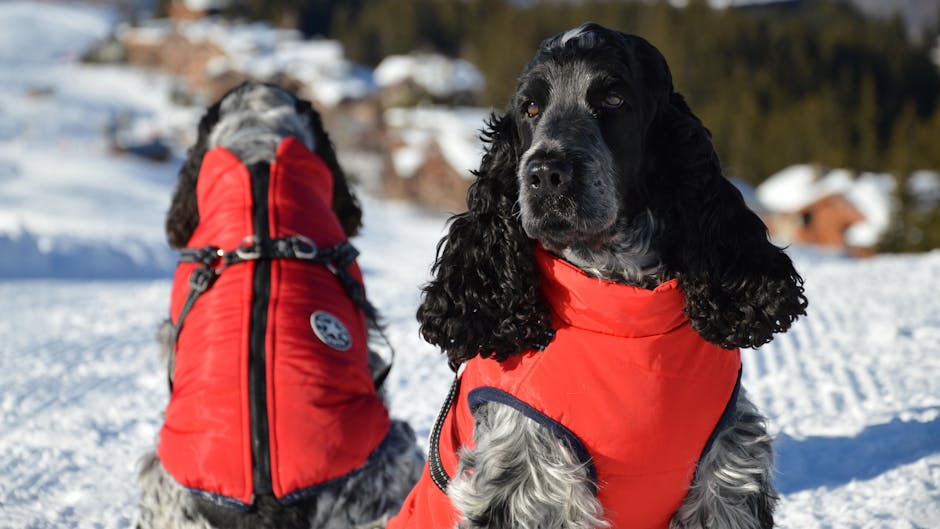
- Cocker Spaniels — heavy shedding despite the silky look
It’s not that you can’t live with these breeds if you have mild allergies. But you’re playing on hard mode.
When Hypoallergenic Isn’t Enough: Talking to an Allergist First
If your allergies are severe, see an allergist before getting any dog.
They can test you for specific allergens (some people react to Can f 5, which is produced by male dogs only — getting a female might solve the problem). They can discuss whether immunotherapy might help. They can give you a realistic assessment of whether dog ownership is feasible.
I put off this appointment for years because I was afraid of the answer. Turns out the answer was “manageable with the right breed and precautions.” But knowing the specifics of my allergies shaped the whole approach.
Frequently Asked Questions
Are Doodles (Goldendoodles, Labradoodles) Truly Hypoallergenic?
The honest answer: it depends entirely on which parent they take after.
Doodles are crosses between Poodles and shedding breeds. Some inherit the Poodle coat and work well for allergy sufferers. Some inherit the other parent’s coat and shed constantly. Some get a weird middle-ground coat that’s the worst of both worlds — wavy enough to mat, not curly enough to trap dander.
If you want a Doodle, work with a breeder who does multiple generations (F1B or later) and can show you the coat type in adult dogs. Or just… get a Poodle. They’re excellent dogs. The Doodle marketing machine has somehow convinced people Poodles are too fancy or fragile, which is nonsense.
Do Hypoallergenic Dogs Cost More?
Generally, yes. Poodles, Porties, and especially trendy breeds like the Lagotto Romagnolo command premium prices. Expect £1,500-3,000 from reputable breeders for most hypoallergenic breeds.
But please check breed rescues first. Hypoallergenic breeds end up in rescue for the same reasons any dog does — divorce, moves, owner illness. Poodle rescues exist in most regions.
Can You Outgrow a Dog Allergy?
Some people do. Some people get worse. It’s frustratingly unpredictable. Prolonged exposure sometimes leads to tolerance — or sometimes leads to sensitisation and worsening symptoms.
This is another reason to see an allergist rather than hoping for the best.
Are Short-Haired Dogs Better for Allergy Sufferers?
No. This is one of the most persistent myths.
Short-haired dogs often shed more than long-haired dogs. Those short, coarse hairs embed in furniture and carpets. A Beagle or a Labrador will coat your home in a fine layer of allergen-carrying fur. A long-haired Maltese, properly groomed, releases far less into your environment.
Coat texture matters more than length. Curly, wiry, or silky coats that trap dander beat short coats that release it.
If I had to make one recommendation? The Standard Poodle. Intelligent, athletic, minimal shedding, and available in a size that actually feels like a dog rather than an accessory. They’re not for everyone — the grooming commitment is real — but for allergy sufferers who want a genuinely versatile companion, they’re hard to beat.
That said: go meet some dogs. Your sinuses will tell you which breeds work for you better than any article can.
Featured Image Source: Pexels