


I’ve been adding up receipts again. Every January, I sit down with a cup of tea and tally what my dogs cost me over the past year — it’s become a slightly masochistic tradition. And every January, I’m reminded that the purchase price of a dog is basically a rounding error compared to what comes after.
The median lifetime cost of dog ownership in the UK sits around £26,000. Some breeds blow right past that. Others come in well under. But most people don’t think about this when they’re staring at a litter of puppies.
So I’ve pulled together the real numbers. Not just purchase prices — those are everywhere. I’m talking total cost of ownership: food, grooming, vet bills, insurance, the lot. Some of these figures might put you off certain breeds entirely. That’s probably for the best.
How These Costs Were Calculated
Before we get into specific breeds, you should know how these numbers were put together. I’ve drawn from multiple UK sources: PDSA, Battersea, ManyPets insurance data, Woodgreen, and various vet cost analyses. Where possible, I’ve used 2026-2026 figures.
The lifetime costs assume:
- Food: Based on breed size and typical consumption
- Insurance: Average annual premiums by breed
- Veterinary care: Routine visits plus breed-specific conditions
- Grooming: Professional grooming where required
- Supplies and extras: Beds, leads, toys, training, boarding
Giant breeds live shorter lives (8-10 years typically) while small breeds often reach 15+. A Chihuahua might cost less per year but those years add up.
The 10 Most Expensive Breeds to Own
Tibetan Mastiff — Up to £40,000 Lifetime
Let’s start with the elephant in the room. Or rather, the small bear.
I’ve never owned a Tibetan Mastiff and I probably never will. These dogs hold the world record for the most expensive dog ever sold — a red Tibetan Mastiff named Big Splash went for $1.5 million in China. That’s an outlier, obviously. But even a “normal” purchase price of £2,000-£6,000 is just the opening act.
The real costs come from feeding a dog that weighs between 70 and 150 pounds. You’re looking at £300-600 monthly just to keep them fed properly. Add grooming that thick double coat (monthly professional sessions at £50-80), plus the inevitable hip dysplasia concerns that plague giant breeds.
Most owners spend £3,000-4,000 annually on food, grooming, healthcare, and general upkeep. Over a 10-12 year lifespan, that’s £38,000-40,000. Not including the purchase price.
Who should consider one: Someone with deep pockets, a large property, and experience with guardian breeds. Not a first-time owner. Not someone in a flat.
Samoyed — £28,000-35,000 Lifetime
The “Sammie smile” is gorgeous. The grooming bill is not.
Samoyeds were bred in Siberia to pull sleds and guard reindeer. That fluffy white coat that makes them look like cloud dogs? It needs daily brushing. Daily. Plus professional grooming every 6-8 weeks, running £60-100 per session.
Purchase prices range from £1,200 to £3,500 from reputable breeders. But I’ve seen them listed for £10,000+ for “show quality” lines. Food costs sit around £50-80 monthly for a 20-25kg dog. Insurance premiums average £35-50 monthly due to breed-specific concerns like hip dysplasia and progressive retinal atrophy.
A friend got a Samoyed three years ago. Beautiful dog, genuinely lovely temperament. She now schedules her entire week around coat maintenance. “It’s basically a part-time job,” she told me. “A part-time job that sheds.”
Great Dane — £44,000+ Lifetime
Here’s the breed that actually tops the UK’s most expensive list when you factor in their substantial food requirements against their sadly short lifespans.
Great Danes eat 6-10 cups of food daily. That’s £150-300 monthly just for kibble. Premium large-breed formulas with joint support push that higher. One study pegged annual ownership at £2,200+ per year — and these dogs typically only live 8-10 years.
The real heartbreak? That short lifespan. You’re paying premium prices for fewer years.
| Annual Cost | Amount |
|---|---|
| Food | £1,800-3,600 |
| Insurance | £700-900 |
| Vet care | £400-800 |
| Supplies | £200-400 |
Hip dysplasia, bloat (which requires emergency surgery costing £3,000+), and cardiac issues are common. I met a Great Dane owner at the park last year who’d spent £7,000 on bloat surgery — and the dog was only three.
French Bulldog — £25,000-35,000 Lifetime
This one makes me genuinely frustrated.
French Bulldogs are everywhere now. Instagram loves them. Celebrities love them. But the breed is a veterinary nightmare. Around 50% of Frenchies are affected by BOAS — Brachycephalic Obstructive Airway Syndrome. That flat face that people find cute? It means they can’t breathe properly.
BOAS surgery costs £1,850-4,000 in the UK. And that’s just one of the issues. These dogs are prone to spinal problems, skin allergies, eye conditions, and overheating. Annual vet bills often hit £800-2,000+.
Insurance? Expect £50-100+ monthly for comprehensive cover. Insurers know these dogs will claim. Frenchies are 8-10 times more likely to require breathing-related claims than other breeds.
The real kicker: Many insurers won’t cover BOAS if your puppy showed any symptoms before the policy started. A vet noting “noisy breathing” at the first health check can invalidate future claims entirely.
Chow Chow — £25,000-30,000 Lifetime
Dense double coat requiring significant grooming. Stubborn temperament that often needs professional training. Insurance premiums of around £840 annually — among the highest in the UK.
Chows are gorgeous, aloof, and expensive. They’re also prone to hip and elbow dysplasia, eye problems, and autoimmune conditions.
Rottweiler — £24,000-28,000 Lifetime
Insurance runs approximately £819 annually according to Which? data — more than double the UK median. Part of this is size (larger medication doses cost more), part is perception (some insurers factor in liability concerns).
Rottweilers are prone to hip dysplasia, cardiac issues, and certain cancers. Hip replacement surgery — which many Rotties eventually need — costs £5,000 per hip in the UK. Both hips? That’s potentially £10,000+ for one condition.
English Bulldog
Even more health-prone than their French cousins. Insurance premiums average £66.50 monthly — the highest of any breed. I won’t belabour the point.
German Shepherd — £22,000-28,000 Lifetime
The breed I grew up with. My family’s German Shepherd, Max, was brilliant — intelligent, loyal, protective. He also had two hip surgeries before age seven.
Hip and elbow dysplasia are endemic in the breed. Some insurers now exclude these conditions for GSDs entirely, treating them as pre-existing due to genetic predisposition. That’s a nasty surprise for owners who assumed their “comprehensive” policy would cover it.
Bernese Mountain Dog
Short lifespan (7-10 years), giant food bills, heavy grooming requirements, cancer prevalence. Beautiful dogs with heartbreaking health profiles.
Cavalier King Charles Spaniel
A smaller breed that makes the expensive list due to endemic heart conditions. Mitral valve disease affects the majority of Cavaliers by age ten. Cardiac treatments and medications add up.
The 5 Most Affordable Breeds
Jack Russell Terrier — £10,973 Lifetime
The Jack Russell consistently tops UK affordability lists. Here’s why:
Purchase price averages just £685. Food costs around £13 monthly — these are small, efficient dogs. Insurance premiums sit at roughly £6.74 monthly, well below the UK median of £13.13. Grooming requirements are minimal.
They’re also genuinely healthy. Good gene pool, few hereditary conditions, robust little dogs that often live 15+ years.
One caveat: Jack Russells have enormous energy. They were bred to hunt foxes down holes. If you’re looking for a calm companion, look elsewhere.
Patterdale Terrier — Among the Cheapest
Another working terrier with minimal grooming needs. Feed costs of around £99 annually. No professional grooming required. Long life expectancy of 13.5 years.
Border Terrier — £12,284 Lifetime
Low-maintenance coat, modest size, robust health. Annual costs around £848 including everything.
Chihuahua
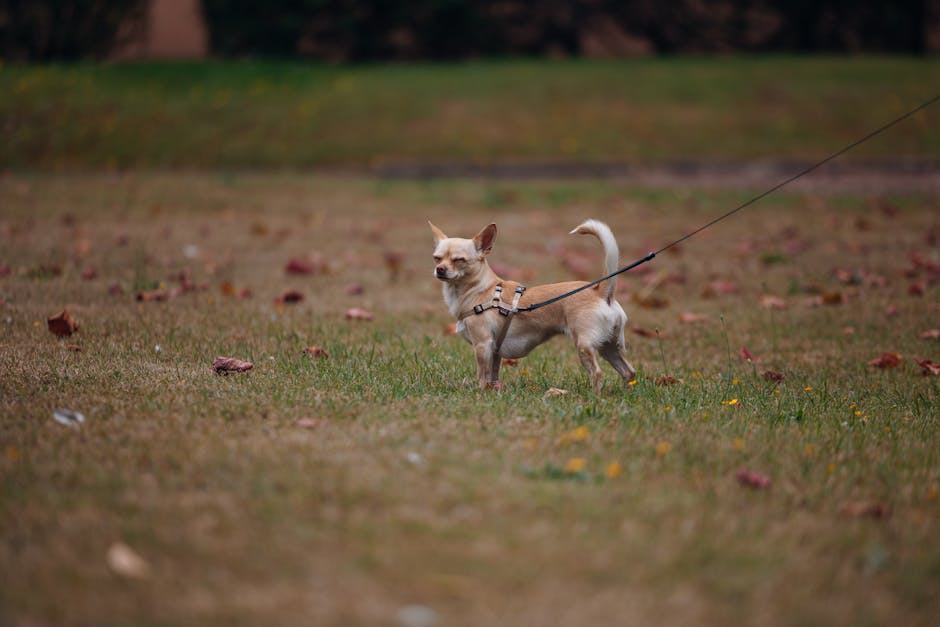
Some studies put lifetime costs as low as £1,800. I’m sceptical of that figure — it probably excludes emergencies and assumes minimal vet care — but Chihuahuas are undeniably cheap to own. Tiny food bills (£15-25 monthly), low insurance premiums (£7.24 monthly), no grooming costs for smooth coats.
Dental issues are common in the breed though. Factor in a teeth cleaning or two.
Greyhound
Particularly affordable if you adopt a retired racing dog (adoption fees typically £200-500 versus £800-2,500 from breeders). Greyhounds are oddly low-energy for their size — genuine couch potatoes. Short coat, minimal grooming, calm temperament.
My neighbour has two retired racers. They sleep 18 hours a day.
Hidden Cost Multipliers
Giant Breed Food Consumption
A Great Dane eats roughly 10 times what a Chihuahua does. Over a decade, that’s potentially £30,000+ difference in food costs alone.
Brachycephalic Health Issues
Flat-faced breeds (Frenchies, Pugs, English Bulldogs) come with predictable, expensive health problems. If you’re choosing one of these breeds, budget an extra £1,000-2,000 annually for vet bills. And get insurance before any symptoms appear — or you’ll find most conditions excluded.
Double-Coat Grooming
Breeds like Samoyeds, Chow Chows, and Huskies need regular professional grooming. That’s £600-1,000+ annually that short-coated breeds simply don’t require.
Annual Expense Breakdown by Category
| Category | Low Estimate | High Estimate |
|---|---|---|
| Food | £300 | £1,500+ |
| Insurance | £200 | £1,000+ |
| Routine vet care | £200 | £500 |
| Grooming | £0 | £800+ |
| Supplies/toys | £100 | £300 |
| Training | £0 | £500 |
| Boarding/dog walking | £0 | £1,500+ |
That’s £800-£6,100+ annually depending on breed, size, and lifestyle. The average UK dog costs around £1,800 per year.
Why Some Breeds Cost 3x More to Insure
English Bulldogs: £66.50/month average. Mongrels: £7.90/month. That’s an 8x difference.
Insurers price based on claim likelihood. Breeds with known health conditions cost more because they claim more. Pedigree dogs in general cost 2-3x more to insure than crossbreeds due to hereditary conditions.
Large breeds cost more because treatments cost more — larger medication doses, longer surgeries, bigger equipment.
Some breeds also carry liability concerns. Rottweilers and other “dangerous breed adjacent” dogs may face higher premiums due to perceived bite risk.
First Year vs Ongoing: What New Owners Underestimate
Your first year is always the most expensive. Budget £2,000-6,000+ depending on breed.
That includes:
- Purchase or adoption fee
- Initial vaccinations (£60-80)
- Neutering/spaying (£150-400)
- Microchipping (£10-30)
- Essential supplies (£300-800)
- Puppy training classes
- Often, at least one emergency vet visit
After year one, costs typically drop to £1,500-2,500 annually for medium breeds with normal health.
But here’s what catches people out: senior years. Dogs over eight often need more frequent vet visits, medication for age-related conditions, and special diets. Insurance premiums also rise significantly with age — some policies become unaffordable or unavailable for dogs over 10.
Breed-Specific Health Conditions and Their Financial Impact
Hip Dysplasia
Affects: German Shepherds, Rottweilers, Golden Retrievers, Labrador Retrievers, Bernese Mountain Dogs
Cost: Hip replacement surgery runs £5,000 per hip in the UK. Both hips? £10,000+. Many dogs require both.
BOAS (Brachycephalic Obstructive Airway Syndrome)
Affects: French Bulldogs, English Bulldogs, Pugs, Boston Terriers
Cost: Surgery costs £1,850-4,000. Many dogs need multiple procedures. Ongoing respiratory issues add to lifetime costs.
Cardiac Conditions
Affects: Cavalier King Charles Spaniels, Boxers, Dobermanns
Cost: Varies enormously. Medication for heart disease can run £50-150 monthly indefinitely.
Bloat/GDV
Affects: Great Danes, German Shepherds, Standard Poodles, large breeds generally
Cost: Emergency surgery costs £3,000-7,000. Fatal without immediate treatment.
Budget Planning: How to Financially Prepare
Set aside £150-200 monthly before you get a dog. Build up at least £2,000 in emergency savings before bringing a puppy home.
Insurance or savings account? Both approaches work. Insurance spreads risk but premiums increase with age and don’t cover pre-existing conditions. A dedicated savings account gives you flexibility but requires discipline.
My approach: I have insurance for catastrophic costs (£15,000 lifetime cover) and a separate account for routine expenses. The insurance handles unexpected surgeries; the account handles everything else.
Frequently Asked Questions
Is adopting from a rescue cheaper than buying from a breeder?
Upfront, absolutely. Rescue fees typically run £150-300 versus £500-3,000+ from breeders. Most rescues also include initial vaccinations, neutering, and microchipping — saving another £200-400.
Long-term costs are harder to predict. Some rescue dogs have existing health conditions that weren’t detected. Others are perfectly healthy. The savings in year one are real; years two through fifteen depend on the individual dog.
Do costs vary by region?
Yes, but less than you might think. Veterinary costs in London run about 20-30% higher than rural areas. Insurance premiums also factor in postcode — some urban areas pay more due to higher vet fees in the local area.
The bigger variable is lifestyle. A city dog needs paid dog walkers and professional groomers; a rural dog might get muddy walks and home baths.
What’s the single best way to reduce dog ownership costs?
Pet insurance. Not because it saves money overall — it usually doesn’t — but because it prevents financial disaster. One emergency surgery can cost more than a decade of premiums. The peace of mind matters.
Second best: preventative care. Dental cleanings, weight management, proper nutrition. Preventing conditions is cheaper than treating them.
If you’re budget-conscious and want a dog, get a Jack Russell. Or adopt a retired Greyhound. Both are healthy, affordable breeds with modest upkeep needs.
If you’re set on a French Bulldog or an English Bulldog, I’m not going to talk you out of it — but please budget accordingly. And get insurance the day you bring them home. Not next week. The day.
Featured Image Source: Pexels