
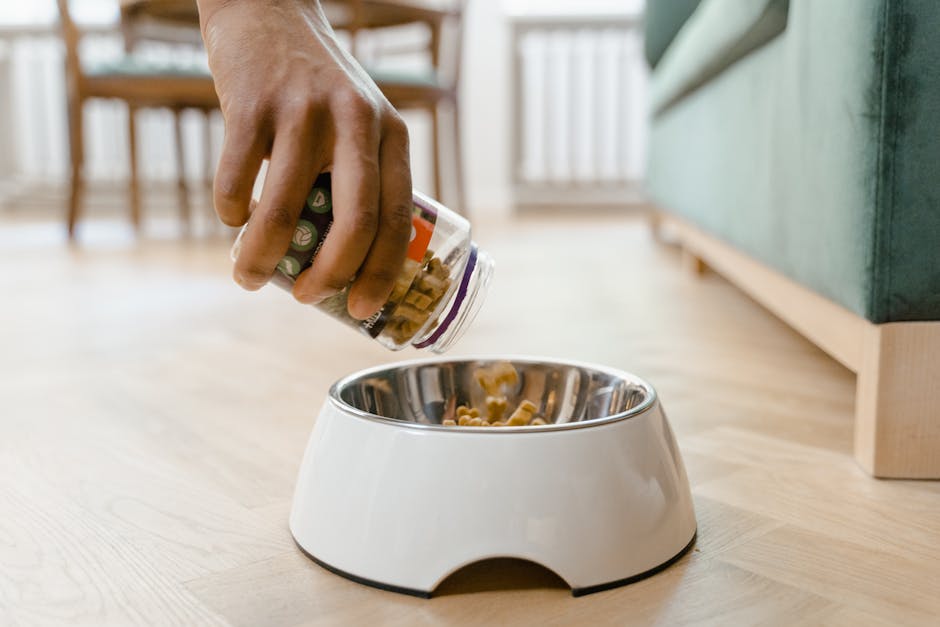

My border collie, Milo, had been on the same premium kibble for three years when he started leaving half his bowl untouched. The vet found nothing wrong. “Maybe he’s just bored with his food,” she said. So I did what any obsessive dog owner does—spent a ridiculous amount of time researching fresh dog food delivery services, signed up for four different trials, and turned my kitchen into a canine taste-testing lab.
Six months later, I’ve got strong opinions on which services actually deliver (pun intended) and which ones are coasting on Instagram marketing.
What Is Fresh Dog Food Delivery?
Fresh dog food delivery is exactly what it sounds like—real, whole food cooked for dogs and shipped frozen or refrigerated to your door. We’re talking actual chicken breast, real sweet potatoes, visible peas. Not the mysterious brown pellets that somehow last two years in a bag.
How Fresh Subscriptions Differ From Kibble and Canned
Kibble gets cooked at extremely high temperatures—often above 200°C—which extends shelf life but degrades nutrients. Manufacturers then spray synthetic vitamins back on to hit nutritional targets. Fresh food is gently cooked at lower temperatures, typically around 90°C, which preserves more of the natural vitamins and makes proteins easier to digest.
The moisture content is the other big difference. Kibble sits around 10% moisture. Fresh food is 60-70%. For dogs that don’t drink enough water (looking at you, every border collie I’ve ever owned), this matters.
Canned food sits somewhere in between—higher moisture than kibble, but often heavily processed with thickeners and gums. And let’s be honest, it smells like a crime scene.
Human-Grade vs Feed-Grade: The Label That Actually Matters
“Human-grade” isn’t just marketing fluff—it’s a legally defined term with real requirements. According to AAFCO’s 2026 guidelines, every single ingredient must be edible by humans AND the entire manufacturing process must meet human food safety standards. The factory, the transport, the storage—all of it.
Feed-grade is… everything else. That rendered meat meal in your current kibble? Technically “natural” because it comes from animals. Could also technically come from 4D meat (dead, dying, diseased, or disabled animals). Nobody’s checking.
When a fresh food company claims “human-grade,” they should be registered as both an FDA food facility AND an FDA feed facility. If they can’t prove that, the claim is meaningless.
AAFCO Statements: What to Actually Look For
Here’s the sentence you want on the bag or box: “Formulated to meet the AAFCO Dog Food Nutrient Profiles for all life stages, including growth of large size dogs.”
That “including large size dogs” bit matters if you have a big breed puppy. The calcium requirements are different, and getting it wrong can cause skeletal problems.
Some brands go further and complete actual feeding trials—following dogs for months while monitoring bloodwork. The Farmer’s Dog partnered with Cornell on a multi-year study that tracked 25% more dogs and five times more blood values than AAFCO requires. That’s the gold standard.
How We Evaluated Fresh Dog Food Services
I didn’t just read labels. I fed this stuff to my actual dogs (Milo the border collie, now enthusiastically licking his bowl clean, and Ruby, my mum’s sceptical dachshund). I tracked how long it lasted in the fridge, whether the portions matched the calorie claims, and how much I actually spent versus what the websites promised.
Ingredient Sourcing and Recipe Transparency
Can you identify everything in the ingredient list? Do they tell you where the chicken comes from? Some brands name their suppliers. Others hide behind “proprietary blends.” The transparent ones earned points.

Portion Accuracy and the Calorie Calculator
Every service uses a quiz to calculate portions. But here’s a dirty secret: most overestimate by 10-15%. They want you feeding more, obviously—means you reorder sooner. I weighed portions and cross-checked against independent calorie databases. The honest brands got portion sizes right. Others… didn’t.
Pricing Per Day
I got quotes for three dogs: a 10lb dog (small), 35lb dog (medium), and 70lb dog (large). Same profile each time—adult, neutered, moderate activity. Prices varied wildly.
Packaging, Shipping and Recall History
Has the FDA ever flagged them? How’s the packaging—does it arrive frozen solid or borderline sketchy? Is the box recyclable or going straight to landfill?
Best Overall: The Farmer’s Dog
This is the one Milo goes absolutely feral for.
The recipes are simple—beef, turkey, chicken, or pork with vegetables. Nothing weird. The ingredient lists read like actual food: beef, lentils, carrots, spinach. Their four recipes all meet AAFCO standards for all life stages including large breed puppies, which means you don’t have to stress about switching foods as your dog grows.
What impressed me most was the research. Most fresh food companies wave vaguely at “veterinary nutritionists.” The Farmer’s Dog actually published a long-term feeding study with Cornell. They followed dogs living in real homes for up to six years. That’s not marketing—that’s science.
Pricing runs roughly £2-3/day for small dogs, £7-9/day for medium dogs, and £15-20+/day for big dogs. Not cheap. But you can offset costs with their partial meal plan—mixing fresh food with quality kibble. That’s what I do for days when the budget screams.
No recalls. Ever.
The Downsides Nobody Mentions
The packaging is genuinely excessive. Every delivery arrives in a massive box stuffed with dry ice and insulation. Yes, it keeps the food frozen. But I’m drowning in cardboard.
And the turkey recipe? Milo will eat it. He won’t love it. The beef, though—he’d fight me for it.
Best Value: Ollie
If The Farmer’s Dog is the fancy restaurant, Ollie is the excellent neighbourhood bistro.
Pricing starts around £3-4/day for small dogs and caps around £6-10/day for large dogs. They achieve this partly through their “Mixed Plan”—combine baked kibble with fresh food to stretch your subscription. A 35lb dog drops from roughly £168/month on all-fresh to £136/month on mixed.
Recipe variety is solid: beef, chicken, turkey, lamb. All AAFCO complete-and-balanced. Their baked option (UnKibble-style) offers convenience without the guilt of traditional kibble.
Ruby the dachshund—who rejects most things that aren’t cheese—actually finished her Ollie bowl. That’s meaningful.
Where Ollie Falls Short
The fresh food doesn’t taste-test as good as The Farmer’s Dog with most dogs I’ve tried. Milo eats it, sure. But there’s no frantic tail wagging. It’s functional rather than exciting.
Customer service is responsive but pushy about upsells. I got three emails about supplements in my first week.
Best for Picky Eaters: Nom Nom
Here’s where things get controversial. Multiple reviewers claim Nom Nom is best for picky eaters. My experience? Mixed.
Nom Nom’s recipes are more creative than most—beef mash, turkey fare, pork potluck, lamb pilaf. Six options total. The natural flavours from the beef recipe genuinely seem to entice fussy dogs. And the portions arrive in pre-measured packs, which removes any guesswork.
But when I trialled them head-to-head against The Farmer’s Dog with three picky dogs, The Farmer’s Dog won 2-1. The dogs finished those meals consistently. Nom Nom meals sometimes got abandoned halfway.
The Real Problem With Nom Nom
Price. It’s the most expensive major brand I tested. For two Klee Kai, one owner reported £290/month—nearly £100 more than The Farmer’s Dog for comparable dogs. For what? Slightly fancier recipe names?
If you’ve got a genuinely difficult eater and money isn’t an issue, Nom Nom’s variety might crack the code. Otherwise, start with The Farmer’s Dog.
Best Variety of Recipes: Spot & Tango
Spot & Tango does something clever—they offer both fresh food AND “UnKibble,” a fresh-dried format that doesn’t need refrigeration. Same human-grade ingredients, gently dried instead of cooked.
Fresh recipes include Turkey & Quinoa, Beef & Millet, and Lamb & Brown Rice. Limited-ingredient focus, which works brilliantly for dogs with sensitivities.
UnKibble starts at roughly £1/day. Fresh starts around £2/day. That flexibility makes Spot & Tango genuinely accessible.
The Catch
Recipe prices vary dramatically. Turkey costs roughly £2.50/meal for a medium dog. Lamb? £3.69/meal. That 47% premium adds up fast.
And three recipes isn’t actually that many. If your dog hates lamb and gets bored of turkey, you’re stuck with beef forever.
Best Vet-Formulated: JustFoodForDogs
JustFoodForDogs takes veterinary credibility seriously. Their recipes were formulated by board-certified veterinary nutritionists—and they name them. Dr. Oscar Chavez. Dr. Dan Su. You can actually verify these credentials.
They were also the first company to complete standardised AAFCO feeding trials using real companion dogs in their homes. Thirty dogs, twelve months, full bloodwork at day 0, 6 months, and 12 months. Their requirements exceeded AAFCO’s baseline.
They offer veterinary therapeutic diets too—hepatic support, renal support—formulated for specific conditions under vet supervision.
Pricing is all over the place. Small dogs under 9kg can eat for under £2/day. A 27kg dog on Beef and Russet Potato? Closer to £12/day. Use their feeding calculator for accurate quotes.
Why I Don’t Recommend It First
JustFoodForDogs feels more like medicine than food. The recipes are nutritionally precise but not particularly exciting. Milo ate it without complaint and without enthusiasm.
If your dog has specific health conditions, this is where I’d start. For healthy dogs? There are better-tasting options.
Best Raw Option: We Feed Raw
I need to be upfront: raw feeding makes veterinary organisations nervous. The AVMA and WSAVA both caution about bacterial contamination risks. If you have young children or immunocompromised family members, raw might not be appropriate for your household.
That said, We Feed Raw does raw better than most.
They use High-Pressure Processing (HPP) on all foods—extreme water pressure that kills pathogens without heat. Everything is USDA-inspected, made in USDA-regulated facilities, with documented ingredient traceability. Through May 2026, they’ve had zero recalls.
Recipes are formulated by a PhD nutritionist to meet AAFCO standards. Protein content runs around 44% on a dry matter basis, with virtually zero carbs. For dogs with carb sensitivities, that’s significant.
Prices start around £2.25/day for small dogs, scaling to £4-5/day for medium breeds. Bulk orders get 20% off.
The Non-Negotiable Requirements
You need freezer space. Lots of it. You need to handle raw meat carefully—wash hands, sanitise surfaces, don’t leave food at room temperature. You need to thaw portions in the fridge, not on the counter.
If any of that sounds like too much hassle, stick with cooked fresh food. The safety margin isn’t worth the stress.
How Much Does Fresh Dog Food Actually Cost?
Let’s get specific.
| Service | Small Dog (10lb) | Medium Dog (35lb) | Large Dog (70lb) |
|---|---|---|---|
| The Farmer’s Dog | £2-3/day | £7-9/day | £15-20+/day |
| Ollie | £3-4/day | £5-6/day | £8-11/day |
| Nom Nom | £3-5/day | £7-10/day | £12-15+/day |
| Spot & Tango (Fresh) | £2-4/day | £4-6/day | £8-12/day |
| JustFoodForDogs | £2-3/day | £4-6/day | £10-13/day |
| We Feed Raw | £2-3/day | £4-5/day | £7-10/day |
Prices approximate based on standard adult profiles; your quote may vary.
Hidden Costs Nobody Warns You About
Shipping: Most brands include it. Some charge during promotions, then add fees later.
Freezer space: Fresh food needs room. I bought a dedicated mini freezer (£150) because my kitchen freezer couldn’t cope.
Food waste: Miss a delivery? Food spoils. Go on holiday? Food spoils. Forget to defrost? Your dog eats kibble that night anyway.
Transition period: Budget for overlap. You’ll run both old and new food for 7-10 days. That’s extra cost.
Pros and Cons of Fresh Food vs Kibble
I’m not here to tell you kibble is poison. It’s not. Millions of healthy dogs eat kibble every day. But fresh food does offer genuine advantages—if you can afford them.
Why fresh wins for some dogs:
More digestible proteins. Higher moisture content. No synthetic vitamin sprays. Easier to identify allergens. Better palatability for picky eaters. One study suggested dogs fed fresh diets may live up to 2.5 years longer—though that data needs more replication.
Why kibble still makes sense:
Cost. Convenience. Shelf stability. If you’re feeding a 50kg mastiff on a tight budget, fresh food simply might not be realistic at £400+/month.
The hybrid approach works brilliantly: kibble base with fresh food topping (10-25% of daily calories). Get some benefits without the full expense.
How to Transition Your Dog From Kibble to Fresh Food
Don’t go cold turkey. Literally.
Days 1-2: 25% fresh, 75% current food
Days 3-4: 50/50 split
Days 5-6: 75% fresh, 25% current food
Days 7-10: 100% fresh
Sensitive stomachs? Stretch each stage to 3-4 days. Some dogs need two full weeks.
Expect softer stools initially. Fresh food has more moisture—that’s normal, not diarrhoea. But if you see watery stools lasting more than 48 hours, call your vet.
Keep everything else constant during transition. No new treats, no table scraps, no dental chews. You want to isolate the variable.
Who Should (and Shouldn’t) Switch to Fresh Delivery
Fresh delivery makes sense if:
- Your dog has allergies and you need traceable, limited ingredients
- You’ve got a picky eater who’s losing weight
- Your dog has digestive issues that haven’t responded to kibble changes
- You want the highest quality food and budget allows
- You’re feeding a small dog (the cost difference is manageable)
Maybe stick with quality kibble if:
- You’re feeding large or giant breeds on a budget
- You travel frequently and can’t manage delivery schedules
- You have minimal freezer space
- Your dog thrives on their current food (don’t fix what isn’t broken)
Frequently Asked Questions
Is fresh dog food worth the price?
Depends entirely on your dog and your budget. For Milo, who went from leaving kibble to demolishing every fresh meal? Absolutely worth it. For a healthy Labrador happily eating mid-range kibble? Probably not necessary. The quality difference is real. Whether it’s worth 5-10x the cost is a personal calculation.
Can puppies eat fresh delivery food?
Yes—but check the AAFCO statement. Look for “all life stages including growth of large size dogs” if you have a big breed puppy. Foods labelled “adult maintenance” aren’t formulated for growth. The Farmer’s Dog, Ollie, and Spot & Tango all offer all-life-stages recipes. JustFoodForDogs has a specific chicken and rice puppy formula.
How long does fresh dog food last in the fridge and freezer?
Most brands say 4-5 days refrigerated once thawed, 6 months frozen. I wouldn’t push past day 4 in the fridge—it starts smelling off. Frozen seems to hold quality for at least 3-4 months based on my experience. Always defrost in the fridge, not on the counter.
Is gently-cooked food safer than raw?
Statistically, yes. Cooking kills pathogens. Even with HPP processing, raw food carries higher bacterial risk than cooked alternatives. Major vet organisations recommend against raw for households with young children, elderly family members, or immunocompromised individuals. If you’re healthy and willing to handle raw meat carefully, the risk is manageable. But cooked fresh food offers nearly identical nutritional benefits without the extra precautions.
Featured Image Source: Pexels