

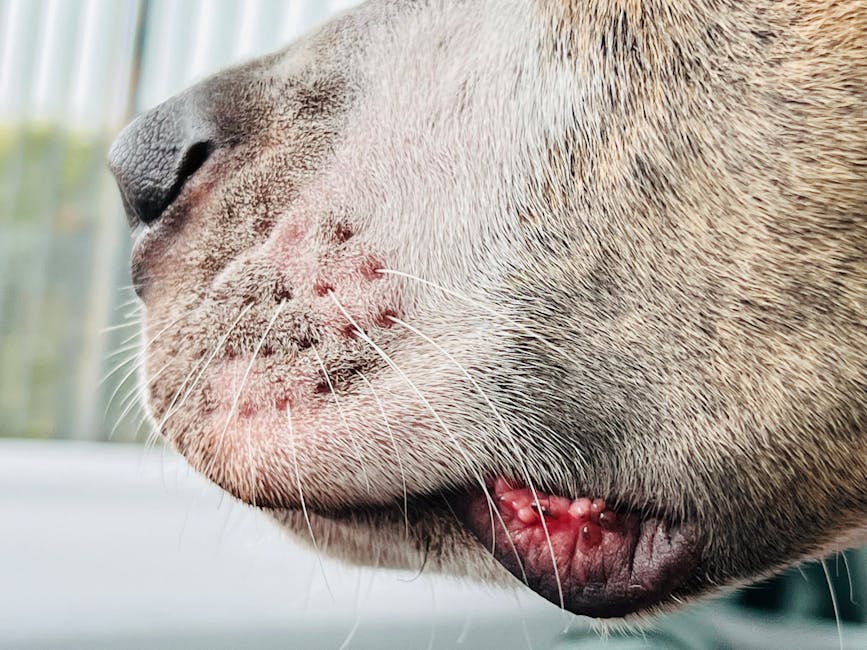

My golden retriever Max spent an entire spring chewing his paws raw. I tried everything — oatmeal baths, paw wipes, even those little booties he hated. Turns out, the “premium” chicken-based kibble I’d been feeding him for two years was making his seasonal allergies worse. Once I switched his diet, the change was dramatic. Not overnight — nothing with allergies works overnight — but within six weeks, the constant scratching stopped.
If your dog turns into an itchy mess every spring, or you’re seeing hot spots, ear infections, and dull coats year-round, the food bowl is worth investigating. Here’s what I’ve learned after testing way too many dog foods on my allergy-prone pack.
The Diet-Allergy Connection Nobody Warned Me About
Most people assume seasonal allergies are purely environmental — pollen, grass, dust mites. And they often are. But here’s what my vet eventually explained: a dog’s gut health directly affects how their immune system responds to environmental triggers. Feed them something that causes low-grade inflammation, and their body overreacts to everything.
Beef and dairy alone account for 55% of adverse food reactions in dogs. Chicken comes in third at around 15%. The irony? These are the most common proteins in commercial dog food.
So you’ve got millions of dogs eating foods their bodies are mildly reacting to, then spring hits with its pollen bomb, and suddenly they’re miserable. The food didn’t cause the seasonal allergy, but it poured gasoline on the fire.
Signs Worth Paying Attention To
Not every itch means food allergies. But if you’re seeing multiple items from this list, diet deserves a hard look:
- Persistent paw licking (especially the tops of the feet)
- Recurring ear infections with that yeasty smell
- Hot spots that keep coming back in the same areas
- Red, irritated skin in the armpits and groin
- Excessive shedding or a coat that feels coarse and dry
- Stomach issues alongside the skin problems
My friend’s bulldog had chronic ear gunk for years. Three vets, countless ear drops. Switched to a novel protein food. Ears cleared up in a month. Sometimes the obvious answer is the last one we try.
What Actually Helps: The Science Stuff
Omega-3 and omega-6 fatty acids — these aren’t marketing fluff. EPA and DHA (found in fish oils) are genuinely anti-inflammatory. They help build stronger skin cell barriers, which means less reaction when your dog rolls in the grass. Most commercial kibbles are loaded with omega-6 from corn-fed meat sources but skimp on the omega-3s. That imbalance matters.
Novel proteins — duck, venison, rabbit, kangaroo, even goat. The theory is simple: your dog can’t be allergic to something they’ve never eaten. If they’ve been on chicken and beef their whole life, try something completely different.
Probiotics and prebiotics — gut health again. A balanced microbiome means a calmer immune response. Look for foods with dried fermentation products or specific probiotic strains listed.
Limited ingredients — fewer ingredients means fewer chances for a reaction, and easier detective work if something goes wrong.
What to Avoid
I’m not one of those “all commercial dog food is poison” people. But some ingredients genuinely cause more problems than they solve for allergy-prone dogs:
The common protein allergens — beef, chicken, dairy, eggs. Not that these are inherently bad, but if your dog is reacting to food, these are the usual suspects. Wheat gets blamed a lot, but true grain allergies are rarer than people think. Still, going grain-free can simplify an elimination diet.
Artificial colors and preservatives — BHA, BHT, ethoxyquin. No nutritional value, potential inflammatory triggers.
Generic “meat meal” or “animal fat” — when they won’t name the source, it could be anything. That inconsistency makes identifying allergens nearly impossible.
My Top Picks for Allergy-Prone Dogs
I’ve tested these on my own dogs or watched friends’ dogs transform on them. Some are expensive. Some are surprisingly affordable. All of them work for certain dogs — though no food works for every dog.
The Farmer’s Dog
This is what finally worked for Max after I’d given up on kibble entirely. Fresh food, human-grade, delivered frozen. You take a quiz about your dog’s age, weight, activity level, and specific issues (including allergies), and they customize the recipes.
The turkey recipe became our go-to — turkey causes fewer allergic reactions than beef or chicken for most dogs. The pork formula is rich in omega-3s from fish oil if you need extra skin support.
It’s expensive. Let’s not pretend otherwise. For my 65-pound golden, we’re talking around $200/month. But after spending that much on vet visits, medicated shampoos, and Apoquel prescriptions, the math actually worked out. Within five weeks, Max’s coat went from straw-like to genuinely shiny. The paw chewing stopped around week four.
Not right for every budget. But if you’ve tried everything else and your dog is still suffering, it’s worth the trial.
JustFoodForDogs Joint & Skin Support
Another fresh food option, but this one’s available at Petco if you want to grab it locally rather than wait for shipping. The Joint & Skin Support formula uses pork (novel protein for most dogs) with quinoa, kale, and some added joint supplements like glucosamine.
A few things stood out: the type II collagen for joint support, and the omega fatty acid profile is solid. One reviewer’s elderly Aussie showed improved mobility and lost weight — not just skin improvements.
The downside: some dogs react badly to the fish oil component. If your dog has salmon sensitivity (more common than you’d think), this one might backfire. One customer reported their dog got hives bad enough to need a prednisone shot. The fish oil thing is worth knowing about before you buy a month’s supply.

Natural Balance L.I.D. Limited Ingredient Diet
If fresh food isn’t in the budget, Natural Balance L.I.D. is probably where I’d start. The Salmon & Sweet Potato formula has been around forever for good reason — single protein source, no chicken, no beef, no grains, no corn or wheat.
| Feature | Details |
|---|---|
| Protein source | Salmon (single animal protein) |
| Carb source | Sweet potato, potato |
| Omega balance | Yes, from salmon |
| Grain-free | Yes |
| Price point | ~$2.50-3.00/lb |
Most vets recommend this line for dogs with food sensitivities. It’s not fancy, but it’s consistent and the ingredient list is short enough that you can actually read it without needing a chemistry degree.
Wellness Simple
Similar philosophy to Natural Balance — limited ingredients, no chicken, no meat by-products, no corn, wheat, dairy, or eggs. Their Salmon & Potato formula uses cold-water salmon rich in EPA and DHA, which some dogs tolerate better than generic “fish” sources.
Wellness leans into the digestibility angle. The formula is specifically designed as a natural alternative to those prescription hypoallergenic diets that cost twice as much.
Taste of the Wild PREY Trout
Here’s where limited ingredient diets get serious. The PREY line has exactly four main ingredients: spring-fed trout, lentils, tomato pomace, and chicken fat. That’s it.
The reviews for allergy dogs are genuinely enthusiastic. Multiple owners report that their dogs’ ear infections stopped completely after switching. One owner with a dog allergic to “every protein but trout and cod” says this is the only food that works.
But. There’s a concern here. This is a grain-free food containing lentils, and the FDA has been investigating potential links between grain-free legume-heavy diets and DCM (a heart condition) since 2018. The investigation is ongoing and nothing is conclusive, but it’s worth discussing with your vet, especially for larger breeds that are already DCM-prone.
At around $2.50/lb, it’s reasonably priced for what you get.
Royal Canin Hydrolyzed Protein HP
This is the nuclear option. Prescription-only, expensive, and specifically formulated for dogs with severe allergies.
The hydrolyzed protein approach breaks proteins into pieces so small they can’t trigger an allergic reaction. It’s what vets prescribe when they want a clean slate for elimination diet trials.
Does it work? For many dogs, absolutely. One Golden Retriever owner reported that after months of diarrhea, itchiness, and recurring infections, this food plus Cytopoint injections “made a lot of difference.”
The catches: You need a vet prescription. The protein is soy-based (which bothers some people philosophically, though dogs don’t seem to care). The carb content is high at around 47%. And one batch in early 2026 apparently caused problems — a customer reported their dog’s skin immediately flared up with a new bag that looked visually different from previous ones.
At $12+ per pound, this isn’t maintenance food. It’s diagnostic and therapeutic.
Hill’s Science Diet Sensitive Stomach & Skin
A middle-ground option that doesn’t require a prescription. Real chicken is the first ingredient, with added fiber from beetroot pulp and omega fatty acids for coat health.
The reviews are polarizing. Some dogs thrive on it — improved energy, shiny coats, no more digestive issues. Others react poorly. One February 2026 review called it “garbage” and said it gave their rescue loose stools immediately.
Worth noting: the third ingredient is yellow peas, and peas/legumes have been part of that ongoing FDA DCM investigation. Also, since chicken is the main protein, this won’t help dogs with chicken sensitivities.
Brothers Complete Advanced Allergy Care
A smaller brand that deserves more attention. Family-owned, 5-star rating from Dog Food Advisor, and some genuinely interesting ingredients — like dried whole cell algae for omega-3s (unusual) and a solid probiotic blend.
The protein comes from turkey and chicken meal plus eggs, running at about 40% protein on a dry matter basis. That’s significantly higher than most kibbles. They use cassava instead of grains or potatoes.
Multiple flavors including lamb, goat, and turkey for dogs who’ve already tried and reacted to the common proteins.
The main concern is the same grain-free/legume issue mentioned above. They’ve never had a recall, which is notable for any dog food company.
Fresh Food vs. Kibble: The Real Tradeoffs
Look, I’m not here to shame anyone for feeding kibble. I fed kibble for years. My dogs were fine. But for allergy-prone dogs specifically, fresh food does seem to make a difference.
Fresh food advantages:
- Minimal processing means ingredients retain more nutritional value
- You can see exactly what’s in it — actual recognizable food
- Customization for specific allergies
- Higher moisture content (good for skin hydration)
- Many owners report faster improvement in skin and coat
Fresh food disadvantages:
- Cost. Genuinely expensive for larger dogs
- Requires refrigeration and has shorter shelf life
- Less convenient for travel or boarding
- Some dogs get stomach upset when transitioning
When kibble makes sense:
- Multiple dogs and fresh food costs are prohibitive
- Your dog responds well to a limited ingredient kibble
- You travel frequently
- You’ve identified the specific allergen and can avoid it in kibble form
One approach that works for some people: fresh food as the base with kibble for convenience meals. Or kibble as the base with a fish oil supplement to boost the omega-3s that most kibbles lack.
The Elimination Diet Process
If you want to actually identify what’s causing problems rather than just guessing, an elimination diet trial is the only reliable method. Those saliva and hair tests being advertised everywhere? Multiple studies have shown they’re not accurate for predicting actual food allergies.
Here’s the real process:
Weeks 1-2: Pick a novel protein food your dog has never eaten. Feed ONLY this food — no treats, no table scraps, no flavored medications, nothing. Even a single chicken-flavored dental chew can blow the whole trial.
Weeks 3-8: Continue the strict diet. Most dogs with food allergies show at least 50% improvement by week 4-5, but some take the full 8 weeks. Dogs with skin issues generally take longer than dogs with digestive symptoms.
Week 9+ (challenge phase): If you see improvement, you can reintroduce old foods one at a time to confirm what triggers the reaction. Symptoms typically return within hours to two weeks of reintroducing an allergen.
The hardest part isn’t the feeding — it’s keeping everyone else in your house on board. Kids dropping food. Partners sneaking treats. The neighbor who gives your dog biscuits on walks. One slip-up means starting over.
Omega Supplements: The Inexpensive Boost
Even if you can’t afford fresh food, adding an omega-3 supplement can help. Fish oil or salmon oil, specifically — not flaxseed or plant-based omega-3s, which dogs don’t convert efficiently.
Wild-caught salmon oil is better than farm-raised for omega-3 concentration. Start with a few drops and work up to the recommended dose for your dog’s weight — going too fast can cause digestive upset.
Give it time. Omega-3s take 4-6 weeks to show visible results in skin and coat. This isn’t an overnight fix.
One warning: human fish oil supplements are dosed for humans and may contain xylitol or other additives toxic to dogs. Use a product made specifically for dogs.
When Food Isn’t Enough
Diet changes help many dogs, but sometimes you need medical intervention too.
Cytopoint is an injectable antibody that blocks the itch signal. One shot lasts 4-8 weeks. No pills to give daily. Safe for dogs of any age. The downsides: requires vet visits, costs around $50-150 per injection depending on dog size, and doesn’t work for every dog.
Apoquel is an oral medication that works fast — often within 4 hours. You can give it at home daily. The downsides: can’t be used in dogs under one year, long-term use concerns (though rare side effects), and you’re medicating daily rather than monthly.
Both manage symptoms. Neither cures the underlying allergy. They work best combined with dietary changes, not instead of them.
When to see your vet urgently:
- Skin infections with pus or foul smell
- Hair loss in patches
- Open sores that aren’t healing
- Lethargy or loss of appetite alongside skin symptoms
- Sudden severe swelling (potential anaphylaxis)
What to Realistically Expect
You’re probably not going to see dramatic improvement in week one. Sorry.
Most dogs show noticeable changes between weeks 4-8 on a new diet. For severe allergies or dogs who’ve been struggling for years, full recovery can take 3+ months.
What “improvement” looks like:
- Less constant scratching and paw licking
- Ear infections that don’t keep recurring
- Hot spots that actually heal and stay healed
- Coat texture changing from coarse to soft
- Less redness in the armpits, belly, and ear flaps
Don’t expect perfection. Environmental allergies will still flare during high pollen seasons. But the baseline should be noticeably better.
Quick Comparison
| Food | Protein Source | Type | Price/lb | Best For |
|---|---|---|---|---|
| The Farmer’s Dog | Turkey, Beef, Pork options | Fresh | ~$8-12 | Dogs who’ve failed on kibble, owners wanting customization |
| JustFoodForDogs Joint & Skin | Pork | Fresh | ~$6-10 | Older dogs with skin + joint issues |
| Natural Balance L.I.D. | Salmon, Duck, Venison options | Kibble | ~$2.50-3.00 | Budget-friendly elimination diet starting point |
| Wellness Simple | Salmon, Lamb options | Kibble | ~$2.50-3.00 | Dogs needing digestible limited ingredient kibble |
| Taste of the Wild PREY | Trout | Kibble | ~$2.50 | Dogs reactive to common proteins |
| Royal Canin HP | Hydrolyzed soy | Kibble (Rx) | ~$12+ | Severe allergies, vet-supervised elimination trials |
| Hill’s Sensitive Skin | Chicken | Kibble | ~$2.00-2.50 | Mild sensitivities (not chicken-reactive dogs) |
| Brothers Complete | Turkey, Lamb, Goat options | Kibble | ~$4-5 | High-protein needs with allergy concerns |
Frequently Asked Questions
How long before I’ll see if a new food is working?
Give it 8 weeks minimum. I know that feels like forever when your dog is miserable, but rushing the process just means you won’t get a clear answer. Some dogs respond faster — my Max showed improvement at week 4 — but the full 8 weeks catches the slower responders.
Can I mix the new food with the old food to transition gradually?
For digestive comfort, yes, spend about a week mixing the foods in gradually increasing proportions. But if you’re doing an elimination diet to identify allergens, this defeats the purpose. For diagnostic purposes, you need to go cold turkey (so to speak).
Is grain-free actually better for allergies?
Probably not for most dogs. True grain allergies are rare. The reason grain-free foods often help is that they typically use novel proteins and have simpler ingredient lists — it’s not the absence of grains doing the work. And grain-free foods with lots of legumes carry that unresolved DCM concern. Don’t avoid grains unless your dog specifically reacts to them.
Featured Image Source: Pexels