

How Nutritional Needs Change as Dogs Age
My oldest dog, a golden retriever named Murphy, hit seven and suddenly looked… tired. Not sick, just less sparkly. His morning sprints to the back door became leisurely strolls. He’d hesitate before jumping onto the sofa. I assumed it was just age catching up — turns out, I was feeding him food that wasn’t keeping up with his changing body.
That wake-up call sent me down a rabbit hole of senior dog nutrition. And here’s what surprised me most: almost everything I thought I knew was wrong.
Metabolism and Calorie Requirements
Senior dogs don’t burn energy like they used to. Their basal metabolic rate drops, sometimes significantly. But here’s where it gets tricky — a less active dog needs fewer calories, yet an older dog needs more nutrient density per bite. It’s a balancing act.
Most senior dogs do well eating 20-30% fewer calories than they did in their prime. But you can’t just feed less of the same food and call it a day. That would shortchange them on the very nutrients they need more of as they age.
The feeding guides on most bags are a starting point, nothing more. Watch your dog’s ribs. You should feel them easily without pressing hard, but they shouldn’t be visible. Adjust from there.

Protein Needs in Senior Dogs (The Muscle Mass Myth)
This is where outdated advice has done real damage.
For years, vets and pet food companies pushed the idea that older dogs needed less protein to “protect their kidneys.” I believed it too. Murphy’s first senior food had protein hovering around 18%. It felt responsible.
It wasn’t.
Current research is unambiguous: senior dogs need more high-quality protein, not less. Dogs between ages 7-12 can lose 15-25% of their muscle mass — a condition called sarcopenia. The only way to fight it? Adequate protein. Studies show older dogs need roughly 50% more protein than young adults just to maintain the same nitrogen balance.
The kidney myth came from rat studies decades ago. Dogs aren’t rats. A healthy senior dog on higher protein won’t develop kidney problems from it. If kidney disease already exists, that’s different — but restricting protein in a healthy older dog just accelerates muscle wasting.
Look for senior foods with 25-32% protein on a dry matter basis. Murphy’s doing far better on a 28% formula than he ever did on that “gentle” 18% food I thought was helping him.
Joint Support and Mobility Ingredients

Nearly every large breed senior struggles with some degree of arthritis. Smaller dogs aren’t immune either, though they tend to develop it later. By the time you see obvious limping or reluctance to climb stairs, joint degradation has been happening for months.
This is why glucosamine and chondroitin aren’t optional extras in senior food — they’re baseline requirements. You want at least 300-400 mg/kg of each in the food itself. Some dogs need supplementation beyond that, but starting with joint-supportive food gives you a foundation.
Key Nutrients to Look for in Senior Dog Food
Glucosamine and Chondroitin
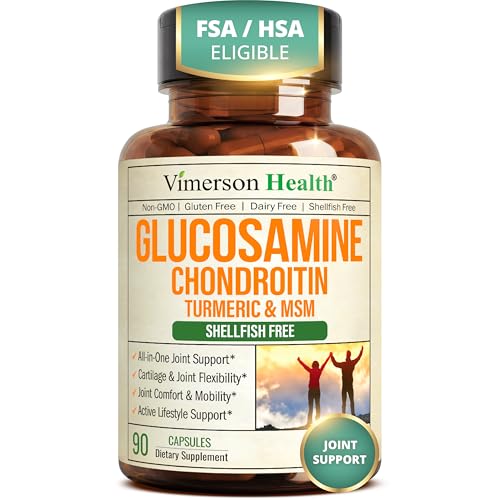
These two work as a team. Glucosamine serves as a building block for cartilage repair while stimulating new cartilage production. Chondroitin prevents destructive enzymes from breaking down what’s already there and supports joint lubrication.
| Dog Size | Daily Glucosamine Target | Daily Chondroitin Target |
|---|---|---|
| Under 25 lbs | 500 mg | 400 mg |
| 25-50 lbs | 1,000 mg | 800 mg |
| Over 50 lbs | 1,500 mg | 1,200 mg |
Most senior foods won’t hit these therapeutic levels on their own. But a food with decent baseline amounts means you’re supplementing less. And honestly, some dogs do fine on food-only levels. Murphy gets a joint supplement on top of his food, but my neighbour’s 12-year-old border collie seems fine without.
Omega-3 Fatty Acids for Cognitive Health

DHA and EPA aren’t just about shiny coats. In senior dogs, they’re brain food — literally.
DHA forms a major structural component of brain cell membranes. As dogs age, keeping those membranes flexible supports clear thinking and memory. EPA regulates inflammation and blood flow. Together, they’ve been shown to help dogs with Canine Cognitive Dysfunction (the dog version of dementia, affecting an estimated 30-60% of dogs over age 10).
One study fed DHA-rich diets to older dogs showing cognitive decline symptoms. Every single dog improved. That’s not a typo — every one.
Look for fish meal, salmon oil, or flaxseed in the ingredients. Aim for 40-60 mg of combined EPA/DHA per pound of body weight daily. A 50-pound dog needs about 2,000-3,000 mg — most quality senior foods will contribute significantly to that target.
Antioxidants and Immune Support

Vitamin E, vitamin C, beta-carotene, selenium. These aren’t marketing fluff. An aging immune system needs backup.
Blueberries and cranberries show up in better senior formulas for this reason. Small breeds especially benefit from high antioxidant levels — they live longer and accumulate more oxidative damage over those extra years.
I’m not suggesting you need food with a dozen superfood callouts on the bag. But check that the guaranteed analysis includes vitamin E, and look for whole food sources of antioxidants rather than just synthetic additions.
Digestibility and Fibre Balance

Older digestive systems get pickier. Things that never bothered your dog might suddenly cause loose stools or gas.
Highly digestible proteins (chicken, turkey, fish) break down more easily than some red meats. Gentle carbs like rice, oatmeal, and barley tend to be kinder than corn. But some seniors actually need slightly higher fibre to keep things moving — constipation becomes more common with age.
It’s individual. If your dog suddenly has digestive issues on a new food, try something with a simpler protein source or limited ingredients before assuming something’s seriously wrong.
Best Senior Dog Foods Reviewed
I’ve fed or closely watched dogs on all of these. Some impressed me. Others disappointed. Here’s what actually happened.
Best Overall: Orijen Senior
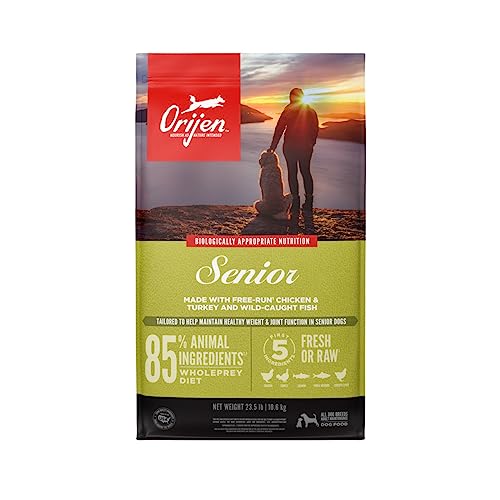
Orijen makes the food I wish existed when Murphy first turned seven.
The first ingredients are chicken, turkey, and fish — not meals, not by-products, actual meat. Protein sits around 38%, which sounds high until you remember what we discussed about muscle maintenance. The fat-to-protein ratio works well for dogs who are still reasonably active.
Murphy’s coat changed within three weeks. Softer, shinier. His stools firmed up. And I swear he had more energy, though that might be confirmation bias talking.
What I love: WholePrey approach means organs, cartilage, and bone are included naturally, not synthetically added. Glucosamine levels are decent without supplementation. No weird grains.
What gave me pause: The price. This is premium kibble pricing — roughly $85-95 for a 23-pound bag at most retailers. And the fish smell when you open it is strong. My kitchen smelled like a harbour for a while.
The dealbreaker for some: Dogs with confirmed kidney disease need therapeutic foods with controlled phosphorus. Orijen isn’t appropriate for them. Also, the richness means slow transitions — rushing it will cause digestive upset.
| Quick Specs | |
|---|---|
| Protein | 38% |
| Fat | 15% |
| Fibre | 8% |
| First ingredients | Deboned chicken, deboned turkey, Atlantic flounder |
| Glucosamine | 1400 mg/kg |
| Chondroitin | 1200 mg/kg |
| Price (approx.) | £75-85 per 11.4kg |
Best for Large Breed Seniors: Blue Buffalo Life Protection Large Breed Senior
Giant and large breed dogs face joint stress their smaller cousins simply don’t experience. They need more joint support earlier, and they need controlled calories to prevent weight from compounding the problem.
Blue Buffalo’s large breed senior formula gets this right. Deboned chicken leads the ingredients. Glucosamine and chondroitin are included specifically for joint and hip health. Calories are controlled without gutting the protein (18% protein isn’t ideal, but it’s adequate when supplemented with glucosamine).
The LifeSource Bits — those dark kibble pieces mixed in — contain antioxidants that are cold-formed to preserve potency. Marketing speak, mostly, but the concept is sound.
Who should consider it: Large breed owners who want solid nutrition without the Orijen price tag. It runs about £50-60 for a 12kg bag.
Who should skip it: This formula’s 18% protein is on the lower end. If your large senior is still very active, consider something with higher protein and simply watch portions carefully.
Best for Small Breed Seniors: Hill’s Science Diet Adult 7+ Small Bites
Small dogs live longer, which means more years of accumulated wear. They also have faster metabolisms and need calorie-dense food in smaller kibble sizes.
Hill’s isn’t exciting. The ingredients won’t wow anyone reading a natural-foods blog. But it works. The small kibble size matters more than people realise — my friend’s Yorkie physically struggled with larger pieces and ate better once they switched.
The ActivBiome+ blend supports digestion, and the formula is gentle on sensitive stomachs. For a small dog who’s a picky eater or has digestive sensitivities, this is a safe choice.
I put Hill’s in the “trustworthy but boring” category. Vets recommend it constantly. It doesn’t set the world on fire nutritionally, but it rarely causes problems either.
Best Budget Option: Iams Proactive Health Mature Adult
Not everyone can spend £80 on dog food monthly. I get it.
Iams won’t win awards for premium ingredients. But it provides farm-raised chicken as the first ingredient, includes antioxidants and fibre, and costs roughly £30-35 for a large bag. For a senior dog without major health issues, it’s genuinely fine.
I’ve seen multiple dogs thrive on Iams for their entire senior years. Is it as good as Orijen? No. But a dog eating Iams consistently is better off than a dog whose owner can’t afford premium food and stretches bags too long or supplements with table scraps.
A middle-ground approach: Some owners use budget kibble like Iams as a base and add a fresh food topper — a spoonful of The Farmer’s Dog or some cooked chicken — to boost nutrition without the full premium cost.
Best for Seniors with Sensitive Stomachs: Purina Pro Plan Sensitive Skin & Stomach 7+
Salmon-based, easily digestible, and specifically formulated for dogs whose guts have become finicky with age.
The oatmeal and rice combination is gentle. Natural prebiotic fibre supports intestinal bacteria. And the salmon provides omega-3s without relying on chicken, which some dogs develop sensitivities to over time.
My sister’s 11-year-old beagle had chronic loose stools for months until they switched to this. Cleared up within two weeks. Not every sensitive-stomach food works for every dog, but this one has a strong track record.
Also worth considering: Wellness Simple Limited Ingredient, if you suspect a specific protein allergy and want to isolate the culprit.
When to Switch to Senior Food
Signs Your Dog Needs a Diet Change
Here’s what actually matters — not a birthday.
Physical signs: Weight fluctuations in either direction. Decreased activity that isn’t explained by weather or mood. Visible joint stiffness, especially in the morning or after lying down. A greying muzzle doesn’t mean much nutritionally, but it’s a visual reminder that things are changing.
Behavioural shifts: More sleeping. Less enthusiasm for walks. Reluctance to jump or climb. Changes in appetite — eating less, or conversely, seeming hungry all the time (which can indicate poor nutrient absorption).
Health developments: Any diagnosis of arthritis, kidney concerns, or digestive issues should prompt a conversation about diet.
Large breeds often show these signs around age 5-6. Medium breeds, 7-8. Small breeds might not show any until 10-11.
But some dogs genuinely don’t need to switch at all. If your 10-year-old is maintaining healthy weight, has good energy, and isn’t showing joint issues, their current food might be working fine. Ask your vet, don’t just assume the “senior” label is mandatory.
How to Transition Gradually
Ten to fourteen days minimum. I made the mistake of switching Murphy too fast once and dealt with three days of digestive disaster.
Days 1-3: 75% old food, 25% new
Days 4-6: 50/50
Days 7-9: 25% old, 75% new
Days 10-14: Full new food
Watch for loose stools, excess gas, vomiting, or complete food refusal. Any of those means slow down further. Some dogs need three weeks.
Common Senior Dog Feeding Mistakes
Cutting protein because you think it helps kidneys. We covered this. Unless there’s diagnosed kidney disease, you’re accelerating muscle loss.
Free feeding. Leaving food out all day invites overeating. Senior metabolisms can’t handle it. Two measured meals daily is the standard recommendation.
Ignoring the treat calories. Those training treats and afternoon biscuits add up. Keep treats under 10% of daily calories. I started actually counting Murphy’s treats and realised I was adding nearly 15% to his daily intake without thinking about it.
Not adjusting portions as activity drops. Your dog was fine on two cups daily when they walked three miles a day. Now they walk half a mile. Two cups is too much.
Assuming all senior foods are created equal. Some “senior” labels are marketing. Check actual protein percentages and ingredient quality, not just age claims on the bag.
Skipping vet input. Blood work can catch kidney, liver, or thyroid changes before they become obvious. Diet recommendations should factor in what’s actually happening inside, not just what you can see.
FAQ: Senior Dog Nutrition
My vet says my senior dog is fine on regular adult food. Should I switch anyway?
Probably not. If your dog is healthy, maintaining weight, and has good energy, forcing a switch to senior food isn’t necessary. Senior formulas primarily offer reduced calories, joint support, and sometimes adjusted protein — if your dog doesn’t need those modifications, adult food is fine. Revisit the question if health changes.
How much should I feed my senior dog?
There’s no universal answer. Start with the bag’s feeding guide for your dog’s ideal weight (not current weight if they’re overweight), then adjust based on body condition. Most seniors need 20-30% fewer calories than adults. But an active 9-year-old border collie has different needs than a sedentary 9-year-old basset hound. When in doubt, ask your vet to assess body condition.
Should I add supplements even if my senior food already has glucosamine?
It depends on the amounts in the food and your dog’s joint health. Most foods provide baseline support, not therapeutic doses. If your dog shows joint stiffness, talk to your vet about adding a joint supplement. If your dog moves freely without issue, the food amounts might be sufficient.
My senior dog has started eating less. Is that normal?
Some appetite reduction can be normal — lower activity means lower calorie needs. But sudden appetite loss or significant weight loss needs veterinary attention. It could be dental pain, nausea, or something more serious. Don’t just assume it’s age.
Featured Image Source: Pexels