

Why Cruciate Ligament Injuries Are the Most Expensive Common Dog Surgery
My friend’s chocolate Lab blew his cruciate ligament chasing a squirrel on a Tuesday morning. By Friday, she’d paid a £500 deposit for TPLO surgery. Six months later — with hydrotherapy sessions, follow-ups, and prescription joint supplements — the total bill cleared £6,000. Then his other knee went.
That’s the thing nobody tells you about cruciate injuries: they’re not a one-and-done problem. This is the single most claimed orthopaedic condition on UK pet insurance. Thousands of claims hit insurers every year, and the average payout sits around £1,350 per claim — but that average masks a brutal reality. If your dog needs specialist surgery, referral fees, and proper rehabilitation, you’re looking at multiples of that figure. And roughly half of dogs who rupture one cruciate will blow the other knee within eighteen months.
I’ve watched three dogs in my extended circle go through this. Every owner says the same thing afterwards: “I wish I’d understood the insurance better before it happened.”
How the Injury Happens (and Why Both Knees Often Fail)
Unlike human ACL tears — which are typically sudden, traumatic injuries from sport — most dog cruciate failures are degenerative. The ligament weakens over months or years, then gives way during something mundane. A jump off the sofa. A sharp turn at the park.
The mechanics matter here. When one ligament fails, your dog shifts weight onto the good leg. That leg is already carrying the same degenerative changes — same genetics, same lifestyle, same wear pattern. Now it’s bearing extra load. The research is clear: dogs who rupture one cruciate face a dramatically higher risk of rupturing the other. Some studies put bilateral failure rates at 40-60% within two years.
Breeds Most at Risk: Labradors, Rottweilers, Newfoundlands, Staffies
Genetics play a bigger role than most owners realise. Studies following over a million dogs have identified clear breed predispositions. Newfoundlands have a lifetime cruciate rupture incidence as high as 22%. Rottweilers and Labrador Retrievers dominate the claim statistics. Staffordshire Bull Terriers show documented predisposition too.
It’s not just size — though dogs over 22kg carry substantially higher risk. Researchers have found specific genetic markers, particularly in collagen genes affecting ligament strength and stability. Early neutering compounds the problem: a UC Davis study showed 2-3x increased cruciate disease risk in several breeds neutered before age one.
If you’ve got a Lab, Rottie, Newfie, Staffie, Golden Retriever, or Boxer, this isn’t a “might happen someday” condition. It’s a statistically likely outcome you should plan for.
UK Cost Breakdown by Surgical Technique
TPLO (Tibial Plateau Levelling Osteotomy): £3,500 to £5,500
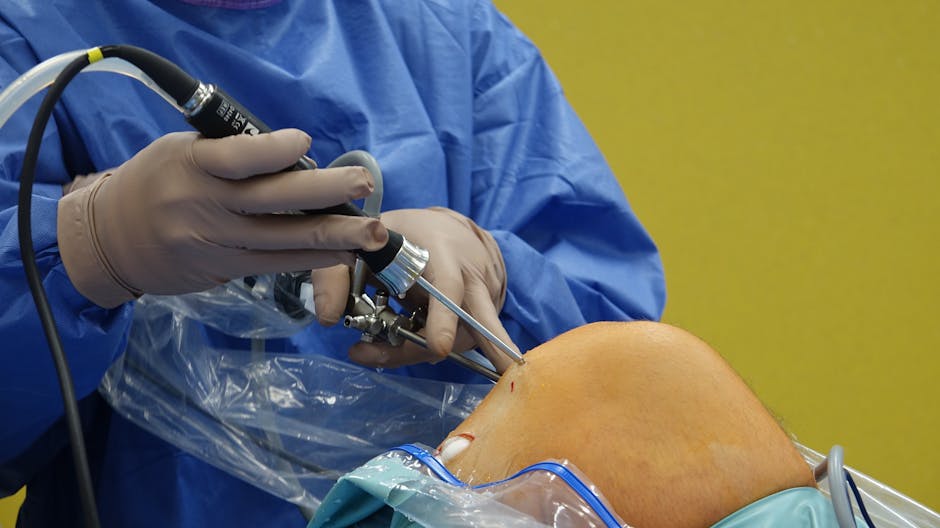
TPLO is the gold standard for medium and large breed dogs. The surgeon cuts the top of the tibia and rotates it, changing the angle of the joint so the cruciate ligament is no longer needed for stability. It sounds brutal. It works brilliantly.
At a specialist referral practice like Davies Veterinary Specialists or Eastcott Referrals, expect to pay £3,500 to £5,500 per leg. Some practices offer fixed-price packages that include pre-op x-rays, the surgery itself, post-op medications, and the six-week check. Others bill every element separately.
A 30kg Labrador going through TPLO with all the standard components will typically hit around £3,000 to £4,000. Add complications, longer hospitalisation, or revision surgery, and costs climb fast.
TTA (Tibial Tuberosity Advancement): £3,000 to £4,500
TTA achieves a similar biomechanical outcome through a different surgical approach. It’s generally slightly cheaper than TPLO, with UK prices running £3,000 to £4,500 at referral level.
Many board-certified orthopaedic surgeons now prefer TPLO’s track record, but TTA remains a solid option. The implants actually cost more than TPLO implants, but surgery time is shorter, which can offset the difference.
Both techniques show roughly 90% success rates — meaning nine out of ten dogs regain normal activity levels.
Lateral Suture (Extracapsular Repair): £1,500 to £2,500
The budget option. Also called ELSS (Extracapsular Lateral Suture Stabilisation), this technique uses strong suture material outside the joint to mimic the ligament’s function while scar tissue forms to provide long-term stability.
It’s significantly cheaper — £1,500 to £2,500 at most UK practices. Oakhill Veterinary Group, for instance, prices their lateral suture procedure at £2,250 including VAT.
Here’s the catch: ELSS works best for dogs under 15kg. Success rates in larger, active dogs drop noticeably. Younger, heavier dogs are more likely to experience complications. For a small terrier or older, less active spaniel, this could be a perfectly reasonable choice. For your five-year-old Labrador? Most surgeons will steer you toward TPLO.
First-Opinion vs Specialist Referral: Why Costs Double
Your regular vet can perform lateral suture repair. Most can’t do TPLO or TTA — these require specialist training and equipment.
A referral to a veterinary orthopaedic specialist means a separate consultation fee (£150-300), new imaging at the specialist’s facility, and the higher overheads of a referral hospital. It’s why the same surgery can cost £2,000 at one practice and £5,000 at another.
But here’s what the data shows: insured dogs are nearly three times more likely to receive surgical management. Larger dogs (over 30kg) have more than double the odds of getting surgery compared with small dogs. This isn’t because surgery is unnecessary for smaller dogs or uninsured pets — it’s because cost determines access to care.
What Pet Insurance Actually Pays For
Diagnosis: Consult, X-Rays, Sedation, MRI
Before anyone cuts into your dog, they need to confirm the diagnosis. A vet can often feel cruciate instability during examination (the “drawer test”), but imaging is standard before surgery.
X-rays under sedation: £200-400 at first-opinion level, more at referral. MRI (sometimes needed to assess meniscal damage): £1,500-2,500. CT scans fall somewhere between.
Most policies cover diagnostic imaging within your vet fees limit. But some impose “inner limits” — subcaps on specific categories. Your policy might offer £4,000 total vet cover but only £1,000 for cruciate-related treatment. Read the terms. I’ve seen people caught out by this.
Surgery, Hospitalisation, and Implants
The core surgical costs are almost always covered under standard vet fees provisions, assuming you don’t hit pre-existing condition exclusions.
Hospitalisation — typically one to three nights post-surgery — falls within surgical coverage. Implants are included in the surgical quote from most practices, not billed separately.
The claim process usually involves the vet providing an itemised invoice. Submit the paperwork, wait for assessment, receive reimbursement minus your excess.
Hydrotherapy and Physiotherapy: Often Capped or Excluded
This is where policies diverge dramatically.
Petplan covers hydrotherapy within a £750 limit on some policies, with restrictions like 10-20 sessions per condition per year. ManyPets and other providers vary widely.
Post-operative rehabilitation genuinely improves outcomes. “Outcomes are often improved if physio and hydrotherapy are started pre-operatively and continued after surgery,” according to Fitzpatrick Referrals. Weekly hydrotherapy at £30-50 per session for three months adds up fast — £400-600 easily, often more.
Check your policy’s complementary treatment limits before you need them. A £250 hydrotherapy subcap is effectively useless for cruciate rehabilitation.
The Second-Knee Problem: Why Bilateral Claims Get Rejected
This is the nasty surprise waiting for owners who thought they had good insurance.
Some policies treat cruciate disease as a bilateral condition. If your dog had one knee treated before you took out the policy — or even during a previous policy year — the insurer may classify the second knee as a related pre-existing condition. Your £4,000 per-leg surgery suddenly becomes one £5,000 claim limit split across both legs.
Worse: if you switch insurers after the first cruciate claim, the new insurer will almost certainly exclude the second knee entirely. That 50% bilateral failure rate means you’re essentially uninsurable for the most likely future claim.
A previous claim for cruciate repair can make switching insurers impossible. No new company will cover a condition with a 60% chance of recurring in the other leg.
Policy Features That Matter for Cruciate Claims
Lifetime Cover with a High Per-Condition Limit (£7,000+)
Annual policies reset each year, but they also allow insurers to exclude any condition you’ve claimed for. One cruciate surgery, and suddenly both knees — plus any arthritis that develops — become uninsurable.
Lifetime policies maintain cover for ongoing conditions as long as you keep renewing. For cruciate disease, this is the only sensible structure.
The per-condition limit matters enormously. A £4,000 limit sounds generous until you’re paying £4,500 for surgery alone, before diagnostics, medication, and rehab. Look for £7,000+ per condition, ideally higher.
Co-Payment Clauses on Older Dogs (20-30% After Age 8)
Around age eight, many UK insurers introduce co-payments — a percentage of each claim you pay on top of the excess. Typically 20-30%.
On a £4,000 surgery with 25% co-pay after your £100 excess? You’re paying £1,075 out of pocket. That’s a significant hit that catches people off guard.
ManyPets introduces a 20% co-payment when dogs turn seven. Animal Friends applies 20% at age eight. Some policies hit 25-35% for certain plan types.
If your dog is approaching these thresholds and you’re considering switching policies, don’t. Your existing insurer can’t apply new exclusions to a condition that develops after years of continuous cover. A new insurer can — and will — exclude anything remotely pre-existing.
Hydrotherapy Sub-Limits: £250 to £1,500 Typical
I’ve already mentioned this, but it bears repeating: check the complementary treatment allowances.
£250 covers roughly five sessions. £750 covers maybe fifteen, assuming nothing goes wrong. Proper cruciate rehabilitation can easily require twenty to thirty sessions across the recovery period.
Some policies bundle hydrotherapy under “vet fees” with no separate subcap. Others cap it severely. Know what you’ve got.
Filing the Claim: Step-by-Step
Pre-Authorisation vs Reimbursement Models
Two claim models exist. Some insurers pay the vet directly after pre-authorisation. Others reimburse you after you’ve paid out of pocket.
Pre-authorisation means submitting details before surgery. The insurer confirms what they’ll cover, the vet invoices them directly for that portion, and you pay only your excess and co-pay. Less cash flow pain.
Reimbursement means you pay everything upfront — potentially thousands of pounds on a credit card — then claim it back. Processing times vary from days to weeks.
Ask your insurer which model they use. Ask your vet which insurers they work with for direct payment. This matters more than you’d think when you’re facing a £5,000 bill at a stressful time.
Documentation the Insurer Will Demand
Standard requirements: itemised invoices with treatment codes, clinical notes or a vet letter describing the diagnosis and treatment, your policy number, your payment details for reimbursement.
For larger claims, expect questions. Was this a new injury or pre-existing lameness? (Check your dog’s full veterinary history — any previous limp noted could trigger investigation.) Were other treatment options considered? Is ongoing care required?
Keep copies of everything. Get discharge summaries from any referral hospitals.
Timeline: From Injury to Reimbursement
Day zero: injury occurs. Day one to three: first-opinion vet examination. Week one: referral appointment if needed. Week one to two: surgery.
Claim submission usually happens after the main surgical invoice arrives. Processing takes five to twenty-one days for straightforward claims, longer if the insurer queries anything.
From injury to money back in your account? Realistically six to ten weeks if everything goes smoothly. Have a financial buffer or a credit facility arranged.
Self-Pay Options if You’re Uninsured
PDSA, RSPCA, and Blue Cross Eligibility Rules
If you’re on certain benefits and live within catchment areas, charity vet care may be available.
PDSA offers free treatment if you receive Universal Credit with housing element and live near a PDSA Pet Hospital. Reduced-cost treatment is available for recipients of other benefits (Pension Credit, Income Support, JSA, ESA, PIP). Their Pet Care Scheme charges £4.50 monthly for access to care at partner practices.
Blue Cross runs animal hospitals in London and Grimsby with discounted care for benefit recipients.
The RSPCA provides vouchers toward treatment at your regular vet if you’re struggling financially.
But — and this is important — charity vets have limited resources and may not offer specialist orthopaedic surgery. They might refer you elsewhere for TPLO, which brings you back to the cost problem. Ask directly about cruciate surgery availability before assuming you’re covered.
Vet Payment Plans and Carefree Credit
CarefreeCredit provides 0% APR loans through participating veterinary practices, ranging from £50 to £6,000. A £660 loan over 18 months works out to about £39 monthly at 9.9% APR. 0% interest is available on larger amounts over shorter terms (£2,000-6,000 over 12 months).
Eligibility requires UK residency, income over £10,000, and reasonable credit history — though they’ll consider imperfect credit.
Your vet must be registered with CarefreeCredit for you to use it. Ask before you need it.
Some practices offer their own payment plans directly. Others partner with different lenders. Don’t be embarrassed to ask about options. Vets prefer you ask about finance than struggle to pay or delay treatment.
How to Reduce the Risk Before It Happens
Weight Management (Number One Risk Factor)
Obesity quadruples cruciate rupture risk. Four times. That’s not a typo.
Every extra kilogram places additional load on already-vulnerable ligaments. Overweight dogs take longer to recover from surgery and face significantly higher risk of rupturing the other knee during the recovery period when they’re compensating for the surgical leg.
If your dog is carrying excess weight — and statistically, they probably are — address it now. Before the injury, not after. Your vet can advise on appropriate calorie restriction and exercise modifications.
This is the single most impactful thing you can do to protect a predisposed dog.
Avoiding Repetitive High-Impact Exercise in Predisposed Breeds
Ball launchers. Frisbees. Repeated sprinting and sudden direction changes.
For breeds genetically susceptible to cruciate disease, this kind of exercise accelerates ligament degeneration. The explosive forces through the stifle joint on every sharp turn, every skidding stop, every launch after a thrown ball — they add up.
I’m not saying wrap your Lab in cotton wool. But consider the balance. Steady walks and swimming put minimal stress on cruciate ligaments while maintaining fitness. Endless ball chasing stresses them maximally.
Moderate, consistent exercise beats weekend warrior patterns. A dog that does little all week then explodes into activity on Saturday is loading compromised ligaments with maximal force after minimal conditioning.
Frequently Asked Questions
Will my insurer cover the second knee if my dog already ruptured the first one?
Maybe. If you had continuous lifetime cover before both injuries, probably yes — but some policies cap bilateral conditions at a single per-condition limit shared across both legs. If you switch insurers between injuries, almost certainly not.
Can my dog recover without surgery?
Some smaller dogs manage with conservative treatment — strict rest, anti-inflammatories, and physiotherapy. But most dogs, especially those over 15kg, develop chronic instability and progressive arthritis without surgical stabilisation. RVC research shows surgical management significantly reduces lameness compared with conservative approaches.
How long is recovery from TPLO?
Eight to twelve weeks of restricted activity before returning to normal walks. Full bone healing takes four to six months. Hydrotherapy usually starts around four weeks post-op.
What if I can’t afford surgery and don’t qualify for charity help?
Talk honestly with your vet. Some first-opinion practices can perform lateral suture repair at lower cost than specialist TPLO. Payment plans exist. Crowdfunding is an option, though inconsistent. The RSPCA can sometimes provide financial assistance vouchers even if you don’t qualify for free treatment. Conservative management isn’t ideal but remains a last resort.
Should I get insurance before or after my dog shows any lameness?
Before. Always before. Any lameness — even a minor limp that resolves — noted in your dog’s veterinary record becomes potential evidence of pre-existing symptoms. Get cover while your dog is young and completely healthy. Wait, and you’ll find yourself either uninsurable for orthopaedic conditions or facing exclusions on the exact things most likely to go wrong.
Final Thoughts
Cruciate disease isn’t random bad luck for most dogs — it’s the predictable result of genetics, weight, activity patterns, and time. If you own a predisposed breed, treat this as a when-not-if condition. Get solid lifetime insurance while your dog is young and healthy. Keep them lean. Balance their exercise. And if the worst happens, you’ll be prepared rather than panicking.
The dogs I’ve seen recover best are the ones whose owners had realistic expectations and financial plans in place before surgery day. That’s the position you want to be in.
Featured Image Source: Pexels