

If you’ve ever walked up to your dog’s crate and found what used to be a perfectly good pad shredded into a pile of foam confetti, you’re not alone. I’ve been there — twice with my Golden Retriever as a puppy and once with a friend’s anxious rescue who destroyed three pads in a single week.
Finding the best chew resistant dog crate pad is one of those problems that sounds simple until you’ve wasted $150 on beds that last about four hours. The pet industry loves throwing around words like “indestructible” and “chew-proof,” but the reality is more nuanced than that. Some pads genuinely hold up. Others are just regular beds with better marketing.
I’ve tested, researched, and watched dogs systematically dismantle enough crate pads to know what actually works. This guide covers why dogs destroy their bedding in the first place, what materials and construction methods actually resist chewing, and which specific pads are worth your money.
Why Dogs Destroy Crate Pads
Before you spend another dollar on a replacement pad, it helps to understand what’s driving the destruction. The fix depends entirely on the cause.
Puppy Teething and Boredom
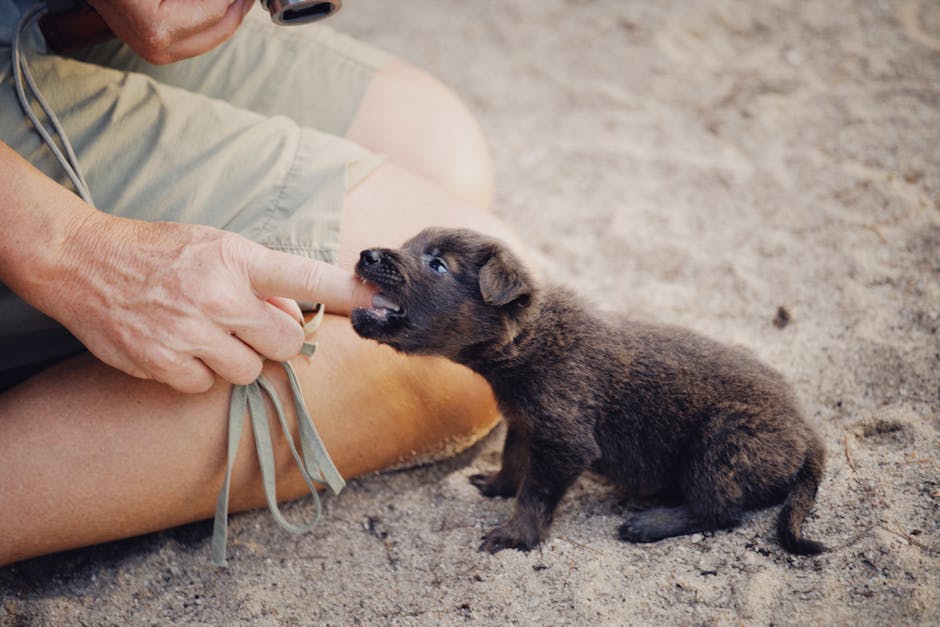
Puppies chew everything. It’s not personal. Between 3 and 6 months, their adult teeth are pushing through and their gums are sore and itchy. A soft, squishy crate pad is basically a giant chew toy from their perspective.
Boredom makes it worse. A puppy left in a crate without enough prior exercise or mental stimulation will find something to do — and that something is usually dismantling whatever’s in front of them. My Border Collie went through a phase around 4 months where she’d methodically pick at seams until she found the zipper pull. Then it was game over.
The good news? Teething-related chewing usually stops by 7-8 months. You just need a pad that survives until then.
Crate Anxiety and Stress Chewing
This is the harder problem. Dogs with separation anxiety or crate-related stress don’t chew because they’re bored or teething. They chew because they’re panicking. The intensity is completely different.
Stress chewers can destroy materials that would easily survive a teething puppy. They’ll dig, scratch, and gnaw with a desperation that’s hard to engineer around. If your dog is shredding pads and showing other anxiety signs — drooling, barking, trying to escape — the pad isn’t the core issue. You need to address the anxiety itself, potentially with a trainer or veterinary behaviorist. A tougher pad buys you time, but it’s not the solution.
What Makes a Crate Pad Chew-Proof
Let’s be honest: nothing is truly chew-proof. A determined dog with strong jaws can eventually get through almost anything. But chew-resistant is absolutely achievable. Here’s what separates pads that last from pads that don’t.
Ballistic Nylon and Cordura Covers
Ballistic nylon was originally developed for military flak jackets. It’s a thick, tightly woven fabric that resists punctures and tearing far better than standard polyester or cotton covers. Cordura is similar — you’ll find it in hiking backpacks and motorcycle gear, which tells you something about its durability.
The key spec to look for is denier count. Higher denier means thicker, tougher threads. Most standard dog beds use 200-300 denier polyester. A good chew-resistant pad uses 1000-1680 denier ballistic nylon or Cordura. That’s a massive difference in toughness.
These fabrics aren’t soft and cuddly. They feel more like the bottom of a backpack than a pillowcase. But they hold up, and most dogs don’t seem to care about thread count the way we do.
One-Piece Construction vs Stuffed Beds
This is the single biggest factor most people overlook. A traditional dog bed has a cover with a zipper, stuffed with foam or polyester fill. The zipper is a weak point. The seam around it is a weak point. And once a dog gets through that cover, they’re rewarded with a mouthful of delicious, pullable stuffing — which only encourages more chewing.
One-piece construction eliminates all of that. The best chew-resistant crate pads are solid foam wrapped in a bonded or welded cover with no zippers, no removable parts, and no exposed stuffing. There’s nothing to grab onto, nothing to unzip, and no satisfying stuffing reward for persistent chewers.
It also eliminates a choking hazard. Shredded foam and polyester fill can cause intestinal blockages if swallowed. A one-piece pad is genuinely safer.
Ripstop Fabrics and Reinforced Seams
Ripstop fabric has a grid pattern of thicker threads woven through it at regular intervals. If a small tear starts, those reinforcement threads stop it from spreading. It’s the same technology used in parachutes and sails.
On a crate pad, ripstop means that even if your dog manages to make a small puncture, it won’t unravel into a gaping hole overnight. Combined with double-stitched or welded seams — where heat bonding replaces traditional sewing — you get a pad that contains damage rather than falling apart at the first weak point.
Top 6 Chew-Resistant Crate Pads
Not all “tough” crate pads are created equal. Here’s what I’d actually recommend, from most durable to most comfortable.
K9 Ballistics Tough Orthopedic Crate Pad
This is the gold standard, and it’s the first one I recommend to anyone with a serious chewer. K9 Ballistics uses 1680 denier ballistic fabric with ripstop reinforcement and welded seams — no stitching to pick apart. The pad itself is CertiPUR-US certified foam, so it’s supportive enough for older dogs with joint issues too.
What sets them apart is the chew-proof guarantee. If your dog destroys it, they’ll replace it once. That’s a company putting their money where their mouth is. Available in sizes from 24″ to 48″ crates, and they offer both a flat pad and a nesting bolster version.
The catch: They’re not cheap. Expect to pay $80-$150 depending on size. But if you’ve already burned through three $30 beds, the math works out fast.
Gorilla Dog Beds Tough Orthopedic Pad
Gorilla Dog Beds takes a similar approach — heavy-duty ballistic fabric, American-made construction, and orthopedic foam filling. Their marketing says “virtually indestructible,” and from what I’ve seen, it’s not far off.
They use 1000 denier Cordura with reinforced stitching rather than welded seams, which makes them slightly more vulnerable to seam-pickers than K9 Ballistics. But the fabric itself is seriously tough. They also offer a wider range of custom sizes if your crate is non-standard.
Price is comparable to K9 Ballistics. Worth every penny for aggressive chewers, especially larger breeds.
4Knines Waterproof Crate Pad
Here’s where you get a nice middle ground between durability and comfort. 4Knines uses a 600 denier polyester exterior that’s not quite as tough as ballistic nylon but significantly better than standard bed covers. The real selling point is the fully waterproof liner underneath.
For puppies who are still being house-trained — and who chew — this solves two problems at once. The waterproofing protects the foam from accidents, and the durable cover handles moderate chewing. It’s not going to survive a full-blown anxiety chewer, but for teething puppies and mild chewers, it’s excellent.
Machine washable, which is a huge plus. Runs around $40-$70 depending on size.
Primo Pads Premium Crate Mat
These are thin, dense mats rather than plush beds. Made from heavy-duty nylon with a simple foam core, they work well for dogs who just need a cushioned surface rather than a thick bed. The low profile means there’s less material to grab and tear.
Best for: Dogs who’ve already destroyed thicker pads and just need something — anything — that survives. Also great for crates where headroom is tight. They’re easy to clean and surprisingly comfortable despite being only about an inch thick.
Around $30-$50, making them a budget-friendly option for testing whether your dog will leave a tough pad alone.
K&H Manufacturing Quilted Crate Pad
K&H has been making pet products for decades, and their quilted crate pad is more comfort-oriented than the heavy-duty options above. The quilted polyester cover is tougher than a standard fleece bed but not in the same league as ballistic nylon.
I’d recommend this for dogs who are past the chewing phase but occasionally get mouthy — gentle chewers, older puppies, or adult dogs who nibble rather than destroy. It’s comfortable, machine washable, and affordable at $20-$40.
Don’t buy this for a known destructive chewer. It’ll last longer than a cheap bed from the pet store, but it won’t survive a determined attack.
MidWest QuietTime Fleece Crate Pad
The most budget-friendly option on this list, and honestly, the least chew-resistant. But I’m including it because not every dog is a heavy chewer, and sometimes you just need a decent pad for a well-behaved adult dog.
The synthetic fleece is soft and warm. It’s machine washable. And at $10-$25, you can replace it without wincing. For puppies, I’d skip it — they’ll shred the fleece in a day. But for calm adult dogs, it’s perfectly fine and incredibly popular for a reason.
| Pad | Material | Chew Resistance | Waterproof | Price Range | Best For |
|---|---|---|---|---|---|
| K9 Ballistics Tough | 1680D Ballistic | ★★★★★ | Yes | $80-$150 | Aggressive chewers |
| Gorilla Dog Beds | 1000D Cordura | ★★★★★ | No | $80-$140 | Large breed destroyers |
| 4Knines Waterproof | 600D Polyester | ★★★★☆ | Yes | $40-$70 | Puppies (chew + accidents) |
| Primo Pads | Heavy-duty Nylon | ★★★★☆ | No | $30-$50 | Low-profile needs |
| K&H Quilted | Quilted Polyester | ★★★☆☆ | No | $20-$40 | Mild chewers |
| MidWest QuietTime | Fleece | ★★☆☆☆ | No | $10-$25 | Non-chewers on a budget |
Crate Pad Sizing Guide
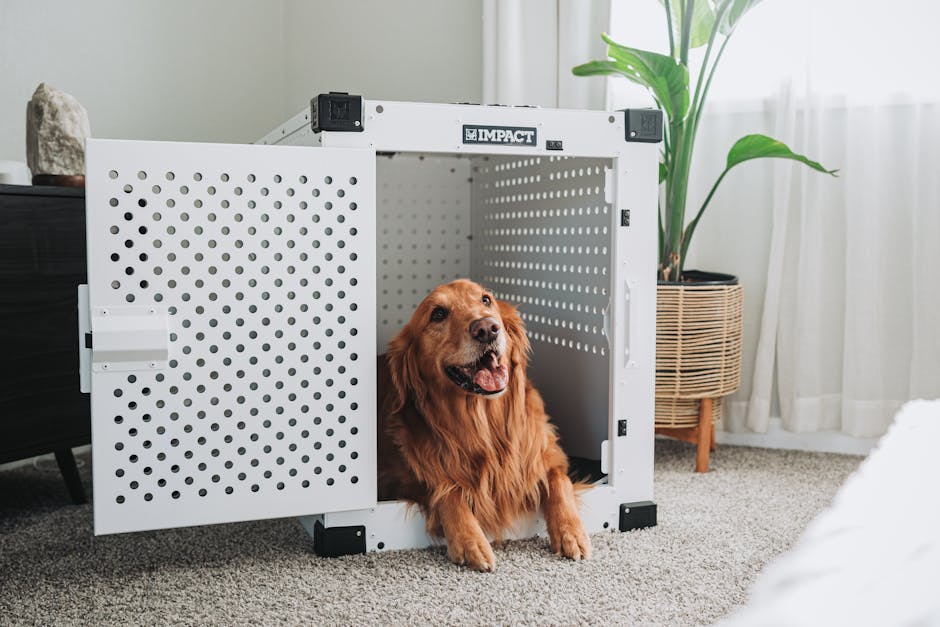
Getting the right size matters more than you’d think. Too small and it slides around, creating edges your dog can grab. Too big and it bunches up, which is both uncomfortable and easier to chew.
Here are standard crate dimensions matched to pad sizes:
| Crate Size | Interior Dimensions | Best For |
|---|---|---|
| 24″ | 24″ x 18″ | Small breeds (Yorkies, Chihuahuas, Pugs) |
| 30″ | 30″ x 19″ | Medium-small breeds (Beagles, Corgis, Cocker Spaniels) |
| 36″ | 36″ x 23″ | Medium breeds (Border Collies, Bulldogs, Aussie Shepherds) |
| 42″ | 42″ x 28″ | Large breeds (Golden Retrievers, Labs, Boxers) |
| 48″ | 48″ x 30″ | Extra-large breeds (German Shepherds, Rottweilers, Dobermans) |
Always measure your actual crate interior before ordering. Dimensions vary between manufacturers, and even a half-inch difference can matter. Most chew-resistant pad companies list exact measurements rather than just crate size labels. Match those numbers, not the generic size name.
If you’re between sizes, go slightly smaller. A pad with a tiny gap at the edges is better than one that’s forced to curl up against the sides.
Alternatives When Nothing Survives
Some dogs defeat every pad. It happens. Here’s what to try when fabric-based options aren’t working.
Rubber Crate Mats
Heavy-duty rubber mats — similar to what you’d see in a horse stall or commercial kitchen — are about as close to truly indestructible as you can get. They’re not comfortable in the way a padded bed is, but they provide insulation from cold crate floors, they’re easy to clean, and most dogs can’t do anything to them.
Look for food-grade or pet-safe rubber without strong chemical smells. Some people use interlocking rubber floor tiles trimmed to fit their crate. It’s not glamorous, but it works.
Going Without a Pad (Safe or Not?)
Here’s an honest take that might surprise you: a bare crate floor is not cruel. It’s not ideal for long-term comfort, especially for older dogs or breeds prone to joint issues. But if your dog is destroying every pad you put in and potentially swallowing the pieces, no pad is safer than a dangerous pad.
Ingested foam, fabric, and stuffing can cause life-threatening intestinal blockages. I’ve heard from multiple vet techs that foreign body surgeries from destroyed dog beds are alarmingly common. The surgery costs $2,000-$5,000, and the recovery isn’t fun for anyone.
If your dog is a severe chewer, start with a bare crate and work up. Try a rubber mat first. Then a thin, tough pad like the Primo Pads. Graduate to thicker options only after you’re confident the chewing phase is under control.
Frequently Asked Questions
Can I spray a crate pad with bitter apple to stop chewing?
You can try it. Bitter apple spray deters some dogs, but plenty of others don’t care at all — or they actually seem to like the taste. It’s worth a shot as a temporary training aid, but don’t rely on it as your primary strategy. The spray also needs to be reapplied regularly and can stain lighter fabrics.
How do I wash a chew-resistant crate pad?
Most ballistic nylon pads can be wiped down with a damp cloth and mild soap. Some are machine washable — check the manufacturer’s instructions. The trade-off with tougher materials is that they’re often not as easy to clean as a standard fleece cover you can just toss in the washer. Waterproof pads are the easiest to maintain since liquids bead up on the surface.
Are chew-proof crate pads safe if my dog swallows pieces?
No chew-resistant pad is designed to be eaten. However, one-piece pads without stuffing are significantly safer than stuffed beds because there’s no loose fill to ingest. If your dog manages to tear off chunks of ballistic nylon, those pieces are less likely to cause blockages than foam or polyester fill — but you should still remove a damaged pad immediately and consult your vet if you think your dog swallowed anything.
What age do most dogs stop chewing their crate pads?
Most dogs reduce destructive chewing significantly after teething ends around 7-8 months. But some breeds — and some individual dogs — chew well into adulthood, especially if it’s anxiety-driven rather than teething-related. By age 2, the majority of dogs have settled down enough for a standard tough pad to survive.
Is memory foam or standard foam better for a chew-resistant crate pad?
For pure durability, it doesn’t matter much — the cover does the heavy lifting. But for comfort, orthopedic memory foam is better for dogs over 30 pounds or those with joint issues. Standard poly foam is lighter and cheaper. If you’re buying a high-end chew-resistant pad like K9 Ballistics, the orthopedic foam is worth the upgrade since you’re already investing in a pad built to last years.
Finding an indestructible dog crate bed that truly lives up to the name takes some trial and error. Start by understanding why your dog chews, invest in quality materials like ballistic nylon with one-piece construction, and size the pad correctly to your crate. For serious chewers, K9 Ballistics and Gorilla Dog Beds have earned their reputations. For puppies still figuring things out, a waterproof option like 4Knines saves you from dealing with two problems at once. And if nothing works yet — a bare crate with a rubber mat is a perfectly safe temporary solution while you work on the underlying behavior.
Featured Image Source: Pexels