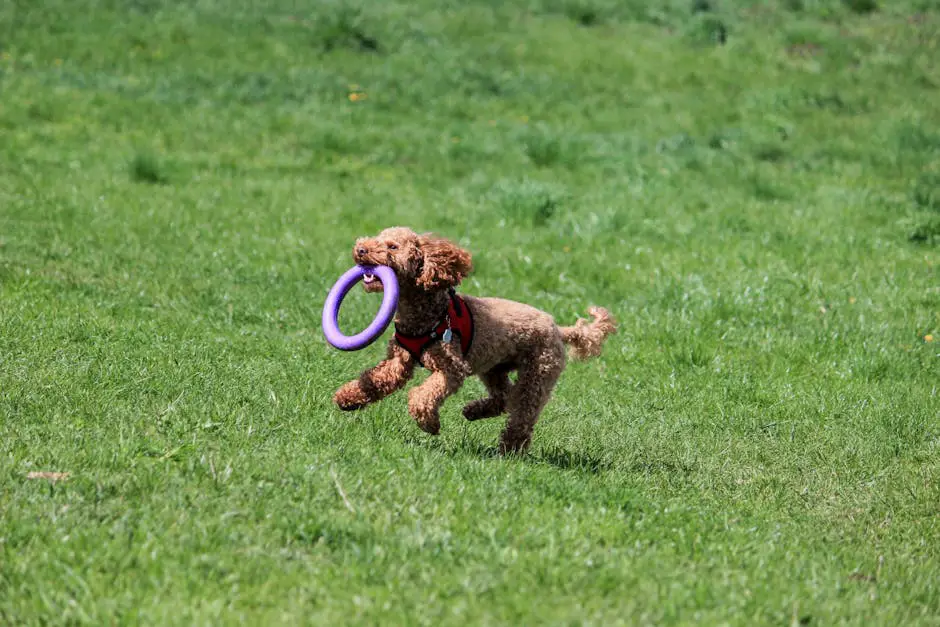

Why Dog Toys Are More Than Just Fun and Games
I’ve spent the last four years watching my dogs systematically dismantle every toy that crosses our threshold. My American Bulldog, Tank, once reduced a “guaranteed indestructible” toy to confetti in eleven minutes. My Border Collie mix, Pepper, has solved puzzle toys that the manufacturer swore would keep dogs busy for hours — she cracked it in under three. Between the two of them, I’ve tested hundreds of dog toys and developed a very clear picture of what actually holds up and what’s just marketing fluff.
But here’s the thing most people miss: dog toys aren’t optional extras. They’re essential equipment for a happy, healthy dog. Let me break down why before we get into the picks.
Mental stimulation is the big one. A bored dog is a destructive dog. When your Lab starts remodeling your couch cushions, that’s not spite — that’s a brain with nothing to chew on. The right toy gives your dog a job, a challenge, something to figure out. Puzzle toys and interactive feeders are particularly brilliant for this.
Dental health flies under the radar. Chew toys with textured surfaces scrape away plaque and tartar buildup while your dog gnaws away. It’s not a replacement for professional dental care, but it’s a solid daily maintenance routine that most dogs actually enjoy. Rope toys work similarly — the fibers act like floss between teeth.
Physical exercise is obvious but worth emphasizing. Fetch toys get dogs running. Tug toys build muscle and burn energy. A fifteen-minute tug session can tire out a dog faster than a thirty-minute walk, which is a lifesaver on rainy days or when you’re short on time.
Bonding is the part that makes all of it worthwhile. Interactive play — tug-of-war, fetch, hiding treats in puzzle toys — strengthens the relationship between you and your dog. It builds trust, reinforces training, and honestly, it’s just fun. My best moments with my dogs aren’t on walks. They’re on the living room floor, playing tug with a rope toy that’s seen better days.
Types of Dog Toys: A Quick Breakdown
Before diving into specific products, it helps to understand the categories. Each type of toy serves a different purpose, and the best-equipped toy box has a mix of all of them.
- Chew toys: Designed to withstand sustained gnawing. Made from rubber, nylon, or other durable materials. These satisfy the natural urge to chew and promote dental health.
- Fetch toys: Balls, discs, and launchers built for throwing and retrieving. These are your cardio equipment for dogs.
- Tug toys: Ropes, rubber handles, and combination toys designed for interactive pulling games between you and your dog. Great for strength building and impulse control training.
- Puzzle and interactive toys: Treat-dispensing toys, sliding puzzles, and snuffle mats that make dogs work for their food. Mental exhaustion in the best possible way.
- Plush toys: Soft, stuffed toys for dogs who like to carry, cuddle, or gently mouth their toys. Not for power chewers — trust me on this one.
- Rope toys: Braided fabric or cotton ropes for tugging, chewing, and solo play. Double as dental floss for dogs.
Top 20 Dog Toys of 2026: Tested, Chewed, and Approved
Every toy on this list has been through my household gauntlet. Some survived. Some didn’t, but impressed me enough in other ways to earn a spot. Here’s what’s worth your money.
Best Chew Toys
1. KONG Classic
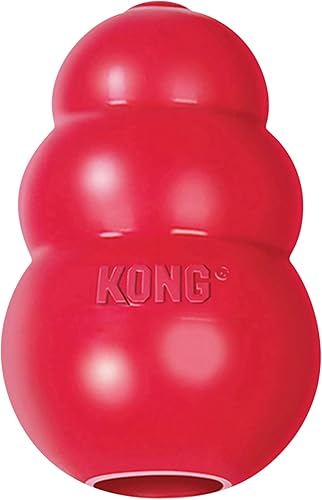
If you only buy one dog toy in your life, make it a KONG Classic. I know that sounds like every other dog product list on the internet, but there’s a reason for it — this thing is genuinely brilliant. The unpredictable bounce keeps dogs engaged during solo play, the hollow center holds treats or peanut butter for extended chewing sessions, and the natural rubber is absurdly tough.
Tank has had the same black KONG (the extreme version for power chewers) for over two years. Two years. In this house, that’s practically immortal. I stuff it with frozen peanut butter and banana on hot days, and it buys me a solid forty-five minutes of peace. The red version works great for moderate chewers, but if your dog has any Bulldog, Pit Bull, or terrier in them, go straight to the black.

2. Benebone Wishbone
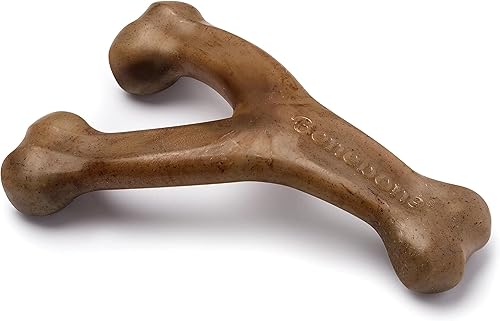
The Benebone Wishbone solved a problem I didn’t know I had: my dogs couldn’t get a good grip on traditional straight chew toys. The wishbone shape gives them multiple angles to hold and gnaw, and the real food flavoring (bacon, chicken, or peanut) goes all the way through — it’s not just a surface coating that wears off in a day.
Pepper gravitates toward this one when she wants to settle in for a long chew session. It’s made in the USA from nylon, and while it does eventually wear down, one bone lasts a good three to four months with daily chewing. Replace it when the knuckle ends get small enough to pose a choking risk.
3. Nylabone DuraChew
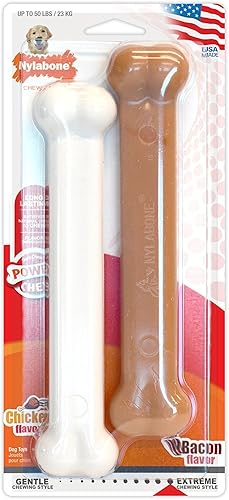
Nylabone has been in the game forever, and the DuraChew line is their heavy-hitter for aggressive chewers. The textured surface does genuine work on plaque and tartar — I’ve noticed a visible difference in Tank’s teeth during the stretches where he’s using this regularly.
The flavor options are solid. The bacon and peanut butter versions get the most attention in my house. One word of caution: Nylabones aren’t meant to be eaten. Small pieces that get chewed off should pass through safely, but if your dog is biting off chunks, size up or switch to something else. I check this one weekly for wear.
4. West Paw Zogoflex Hurley
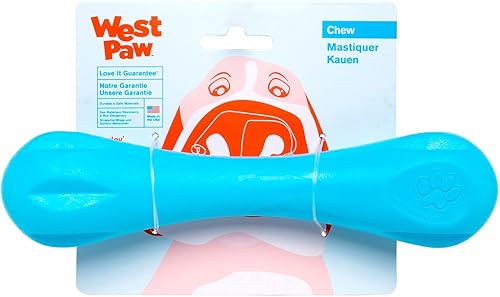
West Paw earns its spot by doing something almost no other toy company does: they guarantee their toys against dog damage. The Zogoflex line is made from a proprietary material that’s non-toxic, BPA-free, dishwasher safe, and recyclable. It’s also bouncy, floatable, and genuinely fun.
The Hurley is shaped like a bone and comes in multiple sizes. Tank has destroyed West Paw toys — but the company replaced them. Every time. That guarantee isn’t just marketing. I’ve used it three times and the process was painless. For the price point, that makes these some of the most cost-effective toys you can buy for a power chewer.
Best Fetch Toys
5. Chuckit! Ultra Ball
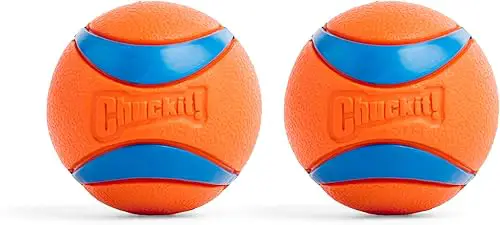
Regular tennis balls last about three throws in this household before they’re shredded into fuzzy green confetti. The Chuckit! Ultra Ball is what happens when someone finally engineers a fetch ball for dogs who actually fetch. The thick rubber core has a high bounce, bright orange-and-blue color scheme is easy to spot in grass, and it’s compatible with the Chuckit! launcher for those long-distance throws that really get a dog sprinting.
These balls float, which makes them perfect for water retrieves. I’ve had the same set of three for about eight months of near-daily park trips. The rubber does eventually get tooth marks, but they hold their shape and bounce long after a tennis ball would have disintegrated.
6. KONG Flyer
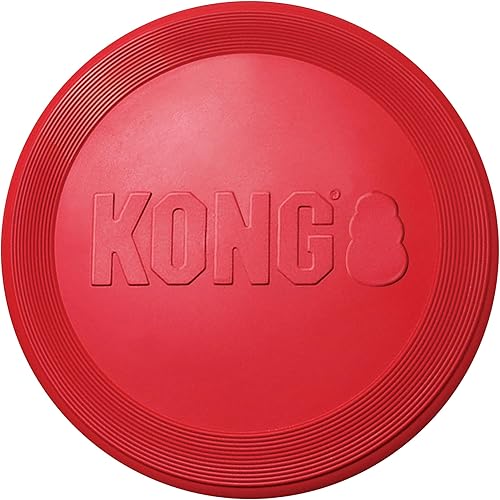
Most rubber frisbees are either too hard (dangerous for catching) or too flimsy (destroyed immediately). The KONG Flyer threads the needle perfectly. The natural rubber is soft enough to be safe for catching — no chipped teeth or bruised gums — but durable enough to survive an enthusiastic chewer after the game ends.
Pepper goes absolutely ballistic for this thing. The flight pattern is surprisingly good for a rubber disc; it doesn’t wobble or dive like some competitors. It doesn’t fly quite as far as a rigid plastic disc, but the safety trade-off is worth it. I’ve seen too many dogs at the park injure their mouths on hard plastic frisbees.
7. Hyper Pet Tennis Balls
For dogs who want a traditional tennis ball experience without the rapid destruction, Hyper Pet’s version uses a thicker rubber core and a non-abrasive felt covering. Standard tennis ball felt is actually quite abrasive and can wear down enamel over time with heavy use. Hyper Pet addresses that.
These are my “park balls” — the ones I’m okay losing in tall grass or leaving behind if we need to head out. They’re affordable enough to buy in bulk, durable enough to last multiple sessions, and the squeaker inside adds an extra layer of excitement that gets even lazy dogs moving.
Best Tug Toys
8. Mammoth Flossy Chews Cottonblend Rope
This is the benchmark tug toy. The cotton-poly blend rope is thick, sturdy, and long enough for a proper tug session without your hands getting too close to the business end. The fibers work between teeth like dental floss, and you can throw it in the washing machine when it gets gross — which it will.
I buy the 36-inch version for Tank and the 20-inch for Pepper. These ropes do eventually fray and come apart, usually after three to four months of heavy use. When the strands start separating, it’s time to replace — you don’t want your dog swallowing long fibers. But at the price point, replacing these quarterly is painless.
9. KONG Tugga Wubba
The Tugga Wubba is weird-looking and I love it. It’s a reinforced nylon fabric over a tennis ball and a squeaker ball, with long tails for tugging and shaking. Pepper’s favorite move is to grab it and thrash it side to side like she’s dispatching prey — the tails really encourage that natural behavior.
It works as both a tug toy and a fetch toy, which makes it versatile. The nylon shell is tougher than plush fabric but not as indestructible as rubber — I’d call it a moderate durability. For gentle to moderate chewers, it’s outstanding. For heavy chewers, it’s a supervised-play-only toy.
10. PetSafe Tug-A-Jug
The Tug-A-Jug is a hybrid I wasn’t expecting to love. It’s a treat-dispensing bottle with a rope threaded through the top. Dogs pull, tug, and manipulate the rope to release kibble or treats from the bottle. It combines the physical engagement of a tug toy with the mental stimulation of a puzzle feeder.
Pepper figured out the mechanism within about ten minutes, but she still enjoys working for her treats. Tank took longer but stays engaged for much longer sessions. The rope portion does wear out and needs replacing, but PetSafe sells replacement ropes. The bottle itself is virtually indestructible.
Best Puzzle and Interactive Toys
11. Outward Hound Nina Ottosson Dog Tornado
Nina Ottosson is the undisputed queen of dog puzzle toys, and the Dog Tornado is my favorite from her line. It features rotating layers that dogs spin with their nose or paw to reveal hidden treat compartments. There are multiple difficulty levels depending on how you load the treats and whether you use the included bone-shaped locking pieces.
This is the toy that Pepper solved embarrassingly fast, but even she still enjoys it. I increase difficulty by using larger treats that require more precise spinning, or by freezing treats into the compartments with a bit of wet food. At the highest difficulty, it keeps her occupied for a good twenty minutes.
12. KONG Wobbler
The Kong Wobbler turns mealtime into a thirty-minute enrichment session. You load your dog’s kibble into the top, and they bat it around to dispense food through the hole. The weighted bottom makes it wobble unpredictably, which keeps dogs interested and prevents them from just knocking it over and dumping everything out.
I use this for Tank’s breakfast every day. He used to inhale his food in about forty-five seconds flat. With the Wobbler, he works for every piece, which slows eating, prevents bloat risk, and gives him genuine mental stimulation first thing in the morning. The hard plastic shell is also surprisingly tough — Tank’s had his for over a year.
13. Snuffle Mat
A snuffle mat is one of those deceptively simple toys that turns out to be incredibly effective. It’s a fabric mat with long fleece strips that you sprinkle kibble or treats into. Dogs use their nose to forage through the strips to find food, engaging their strongest sense in a calming, focused activity.
I use snuffle mats on days when we can’t get outside for a proper walk. Fifteen minutes of snuffling is genuinely tiring for a dog — nosework is mentally exhausting in the best way. Look for mats with a non-slip backing and machine-washable fabric. I wash mine weekly because they collect drool and crumbs fast.
14. Lick Mat
Lick mats are my secret weapon for bath time, nail trims, and vet visits. Spread peanut butter, yogurt, or pumpkin puree on the textured surface, stick it to the wall or floor with the suction cups, and your dog will focus intently on licking instead of freaking out about whatever you’re doing to them.
Beyond distraction value, licking is a self-soothing behavior for dogs. A lick mat with some frozen bone broth can calm an anxious dog during thunderstorms or fireworks. I keep two in the freezer at all times, pre-loaded and ready to go. They’re cheap, they work, and they’ve made grooming day about 80% less stressful for everyone.
Best Plush Toys
15. ZippyPaws Skinny Peltz (No Stuffing)
Plush toys and power chewers don’t mix — I learned this the first week I had Tank, when he surgically removed and ate the stuffing from three plush toys in a single afternoon. ZippyPaws Skinny Peltz solves this by eliminating stuffing entirely. They’re flat, floppy plush toys with multiple squeakers inside, and they’re perfect for dogs who love to carry and shake plush toys but destroy anything with polyfill.
Pepper carries her fox Skinny Peltz around the house like a security blanket. The squeakers still work after months of use. These aren’t indestructible — Tank can still rip the seams if he really commits — but without stuffing, the destruction is contained and much safer.
16. Multipet Lamb Chop
Lamb Chop is the comfort toy. Almost every dog I’ve ever met loves this thing, and I have no explanation for it. There’s something about the size, the softness, and the squeaker that just hits right. Pepper sleeps with hers. Tank has destroyed six of them and would destroy a seventh given the opportunity.
This is a gentle-chewer toy, full stop. It has stuffing, it has a single squeaker, and it will not survive a determined chewer. But for dogs who want a snuggle buddy, there’s nothing better. I buy them in three-packs now because I know Pepper will eventually lose hers under the couch and need a replacement.
17. KONG Cozie
The KONG Cozie is a step up in durability from your average plush toy without being a full-on chew toy. The reinforced stitching and minimal stuffing make it sturdier, while the soft exterior and internal squeaker make it appealing for carrying and light mouthing. It hits a nice middle ground.
The Marvin the Moose version is the most popular, but the entire Cozie line uses the same construction. These last about twice as long as standard plush toys in my house, which for a plush toy, is saying something. Supervised play recommended for aggressive chewers.
Best Tough and Indestructible Toys
18. Goughnuts MAXX
Goughnuts is the brand I recommend when people tell me their dog destroys everything. The MAXX line is specifically engineered for the most powerful chewers — think Cane Corsos, Mastiffs, and determined Pit Bulls. The rubber is thick, dense, and has a red safety indicator layer: when your dog chews through to the red, it’s time to replace.
Tank has a Goughnuts MAXX ring that’s been going for over a year with only surface marks. That’s extraordinary for our house. These toys aren’t cheap, but they’re the most cost-effective option for power chewers because you’re not replacing them every month. The company also has a replacement guarantee if your dog does chew through.
19. Jolly Pets Romp-n-Roll
The Romp-n-Roll is a ball threaded through a rope, and it’s one of the most versatile tough toys available. You can play fetch, tug, or let your dog chew on the ball portion. The ball itself is made from a hard, non-toxic plastic that doesn’t deflate or collapse under pressure. Tank has tried — it just bounces back.
The rope adds a handle for throwing and a tug component that makes this more than just a chew toy. It floats, which makes it great for water play. The rope will eventually need replacing before the ball gives out, but the ball itself seems to last indefinitely. It’s become our default park toy.
20. West Paw Hurley
West Paw gets a second mention because the Hurley is specifically designed as a tough toy rather than just a chew toy. It’s buoyant, bouncy, and shaped for both throwing and chewing. The Zogoflex material gives it a satisfying flex that dogs seem to love — it’s firm enough to resist chewing but soft enough to be comfortable in their mouth.
Combined with West Paw’s replacement guarantee, the Hurley is one of the safest bets for dogs who go through toys quickly. I’ve had mine replaced twice, and the replacement Hurley seems to be holding up better than the original — which suggests West Paw is actually improving their formula based on damage reports. That’s the kind of company I want to buy from.
Best Dog Toys by Size
Not every toy works for every dog. Here’s a quick reference guide for choosing the right toy based on your dog’s size.
| Toy | Small Dogs (Under 20 lbs) | Medium Dogs (20–50 lbs) | Large Dogs (50–90 lbs) | Giant Dogs (90+ lbs) |
|---|---|---|---|---|
| KONG Classic | Small (Red) | Medium (Red) | Large (Red/Black) | XL/XXL (Black) |
| Benebone Wishbone | Tiny/Small | Medium | Large | Large |
| Chuckit! Ultra Ball | Small | Medium | Large | Large/XL |
| Mammoth Rope | 12-inch | 20-inch | 36-inch | 36-inch or larger |
| KONG Wobbler | Small | Small/Large | Large | Large |
| Nina Ottosson Tornado | All sizes | All sizes | All sizes | All sizes |
| ZippyPaws Skinny Peltz | Small set | Small/Large set | Large set | Large set |
| Goughnuts MAXX | Not recommended | Original | MAXX | MAXX Black |
| West Paw Hurley | Small | Small/Large | Large | XL |
| Jolly Pets Romp-n-Roll | 4.5-inch | 6-inch | 8-inch | 8-inch |
Important note: Always size up if you’re between sizes. A toy that’s too small is a choking hazard. A toy that’s too big is just mildly inconvenient. Err on the side of bigger.
Dog Toy Safety Tips: What to Watch For
Toys are supposed to keep your dog happy and healthy, but the wrong toy — or a worn-out toy — can become a hazard. Here’s what I’ve learned to watch for after years of testing.
- Check toys daily for damage. Run your fingers over chew toys feeling for sharp edges, cracks, or pieces about to break off. If a rubber toy has chunks missing or a plush toy has exposed stuffing, it’s done. Remove it.
- Size appropriately. A ball that fits comfortably in your dog’s mouth is a choking hazard. The toy should be large enough that your dog can’t accidentally swallow it or get it lodged in their throat. When in doubt, go bigger.
- Supervise new toys. Every dog interacts with toys differently. Watch your dog with a new toy for the first few sessions to understand how they use it and whether it’s appropriate for their chewing style.
- Avoid toys with small, detachable parts. Buttons, plastic eyes, ribbons, and bells are all choking hazards and intestinal blockage risks. If a plush toy has sewn-on features, check that the stitching is secure.
- Rotate toys regularly. Dogs get bored with the same toys. Keep five or six in rotation and swap them out weekly. A “new” toy that’s been in the closet for two weeks is just as exciting as something from the store.
- Know when to replace. Rubber toys with deep gouges or missing pieces, ropes that are unraveling into long strands, and plush toys with holes are all past their prime. Long rope fibers are particularly dangerous because they can cause linear foreign body obstructions in the intestines.
- Watch for allergic reactions. Some dogs react to certain dyes, materials, or latex. If your dog develops a rash, excessive drooling, or swelling around the mouth after using a new toy, discontinue use and consult your vet.
DIY Dog Toy Ideas
Not every great dog toy needs to come from a store. Some of the best toys I’ve used are things I’ve made at home in five minutes. Here are a few favorites that my dogs love just as much as the store-bought versions.
Frozen Towel Chew
Soak an old hand towel in low-sodium chicken broth, wring it out slightly, twist it into a rope shape, and freeze it. Perfect for teething puppies or hot summer days. The frozen fabric soothes sore gums and the broth flavor keeps them interested. Just supervise — when it thaws and starts to shred, it’s time to take it away.
Muffin Tin Puzzle
Place treats in a few cups of a muffin tin and cover all the cups with tennis balls. Your dog has to figure out which cups have treats and remove the balls to get them. It’s a surprisingly effective puzzle that you can make harder by using more cups and fewer treats. Pepper actually gets frustrated with this one, which means it’s doing its job.
T-Shirt Braided Rope
Cut three strips from an old t-shirt, knot them together at one end, braid them tightly, and knot the other end. You now have a tug toy that costs nothing and is surprisingly durable. The cotton is gentle on teeth and gums, and when it gets gross, just throw it in the wash. I keep a few of these around as backup tug toys.
Water Bottle Crinkle Toy
Put an empty plastic water bottle inside a tube sock and tie the end. Dogs love the crinkle sound, and the sock prevents them from chewing directly on the plastic. When the bottle collapses, untie the sock, replace the bottle, and retie. Swap the bottle out before it starts cracking into sharp pieces. This is Tank’s guilty pleasure — he knows exactly where I keep the empty bottles.
Cardboard Box Foraging
Take a cardboard box, toss in some kibble, crumple up some newspaper or packing paper, and let your dog dig through it to find the food. It’s nosework, foraging, and destruction all rolled into one. My dogs demolish the box within minutes, but that’s kind of the point. Easy cleanup, zero cost, maximum enrichment.
Frequently Asked Questions
How many toys should a dog have?
Most dogs do well with five to ten toys in active rotation, with extras stored away for swapping. Having too many toys out at once can actually decrease interest — dogs stop seeing them as special. I keep about six toys available at any time and rotate new ones in every week. The “new” toy from the closet always gets the same excited reaction as a brand-new purchase, which is both endearing and a little insulting to their intelligence.
Are squeaky toys safe for dogs?
Squeaky toys are safe for most dogs under supervision. The main risk is the squeaker itself — it’s a small plastic or metal disc that can be a choking hazard if your dog tears through the toy and extracts it. If your dog is a destroyer who tears open toys to get the squeaker out, switch to squeakerless options or use squeaky toys only during supervised play. For dogs who just carry and gently mouth their toys, squeakers are fine.
Can I wash dog toys?
Yes, and you should. Rubber and hard plastic toys can go in the top rack of the dishwasher or be hand-washed with warm water and mild dish soap. Plush toys and rope toys can go in the washing machine on a gentle cycle — I use a mesh laundry bag to protect them. Skip fabric softener, as the fragrance can irritate some dogs. Air drying is preferable to the dryer for plush toys to maintain shape. I wash my dogs’ toys every two weeks, more often if they’ve been outside or shared with other dogs.
What toys should I avoid for aggressive chewers?
Avoid plush toys with stuffing (choking and blockage risk), thin latex toys (shred into swallowable pieces), toys with hard plastic components that can crack into sharp shards, and anything small enough to fit entirely in your dog’s mouth. Rawhide is also worth avoiding for power chewers — it softens into chunks that can cause choking or intestinal blockages. Stick with thick natural rubber, heavy-duty nylon, or reinforced materials specifically rated for aggressive chewers. Look for products that carry a “power chewer” designation from the manufacturer.
How often should I replace dog toys?
There’s no fixed schedule — it depends entirely on the toy and your dog’s chewing habits. I inspect toys weekly and replace them the moment I see signs of structural failure: deep cracks in rubber, fraying ropes with long loose fibers, plush toys with exposed stuffing, or any toy with pieces breaking off. For reference, in my household, rubber chew toys last three to twelve months, rope toys last two to four months, and plush toys last one to eight weeks depending on which dog gets to them. When you do replace a toy, resist the urge to “get one more day out of it.” A destroyed toy is not saving you money — a vet visit for a foreign body obstruction costs thousands.
Featured Image Source: Pexels