

My German Shepherd, Max, started limping at age seven. It was subtle at first — a slight hesitation before jumping into the car, taking the stairs one at a time instead of bounding up. The vet said early arthritis and handed me a brochure about joint supplements. That brochure listed about fifteen different ingredients, and I had no idea which ones actually worked.
Six years and three dogs later, I’ve tried pretty much every joint supplement on the market. Some made a genuine difference. Others were expensive powder that did nothing except lighten my wallet. Here’s what I’ve learned — the evidence-based version, not the marketing copy.
Why Joint Supplements Matter for Dogs
Cartilage doesn’t regenerate well. Once it’s damaged, it’s damaged. Joint supplements work by either slowing cartilage breakdown, reducing inflammation, or supporting the synovial fluid that keeps joints lubricated. The key word is slow — these aren’t painkillers. You won’t see results overnight.
Large breeds, dogs with hip dysplasia, and any pup who tore a cruciate ligament are prime candidates. But here’s something most articles won’t tell you: starting early matters more than which supplement you pick. A study from the University of Helsinki found that dogs who started glucosamine before showing symptoms had significantly better mobility at age ten than those who started after diagnosis.
The Five Active Ingredients That Actually Have Evidence
Not all joint ingredients are created equal. Some have decent clinical data. Others are basically fairy dust with good marketing.
Glucosamine HCl vs Glucosamine Sulphate
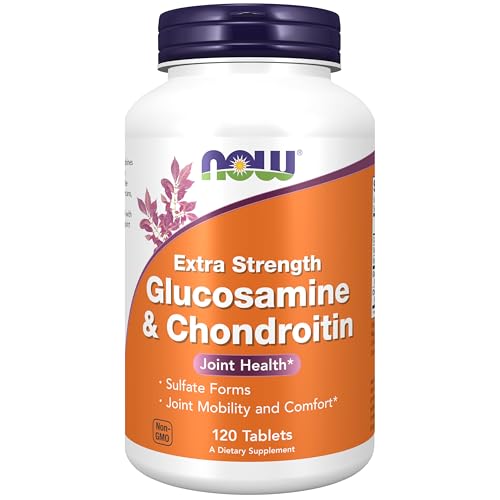
This is where it gets confusing. You’ll see both on labels, sometimes in the same product.
Glucosamine sulphate is what most human clinical trials used, and it’s the form with stronger evidence. The sulphate group may actually contribute to cartilage health — it’s not just a delivery mechanism. But here’s the catch: glucosamine sulphate is unstable and needs to be stabilised with sodium chloride or potassium chloride, which adds salt to the formulation.
Glucosamine HCl (hydrochloride) is more concentrated by weight — about 83% glucosamine versus roughly 65% for the sulphate form. It’s also more stable. Most veterinary products use HCl because of the stability issue, and some vets argue that as long as the glucosamine reaches the joint, the form doesn’t matter much.
My take? Don’t stress about the form. Focus on the dose.

Chondroitin Sulphate
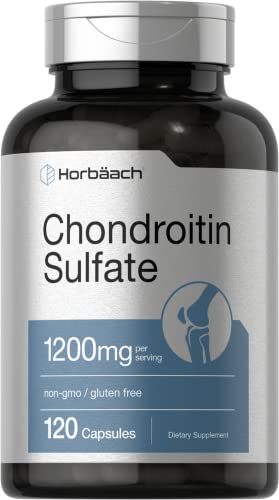
Chondroitin works differently from glucosamine. While glucosamine provides building blocks for cartilage, chondroitin inhibits the enzymes that break cartilage down. They’re often combined because they theoretically work through complementary pathways.
The evidence is mixed. A 2017 meta-analysis in the Journal of the American Veterinary Medical Association found modest benefits, but the effect sizes were small. What’s more convincing to me: every orthopaedic vet I’ve spoken to recommends the combination. They see enough dogs in their practice to notice patterns.
Dosing guideline: 5-10mg per pound of body weight daily.
MSM (Methylsulfonylmethane)
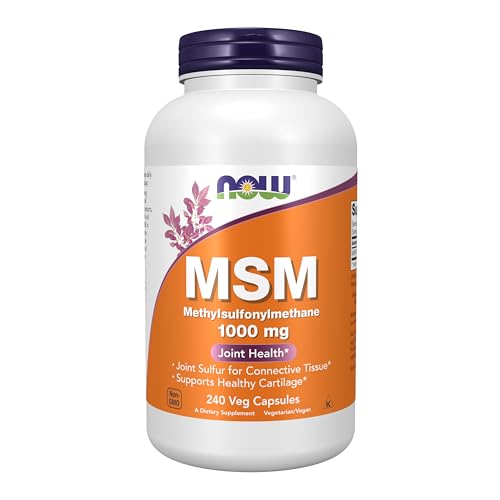
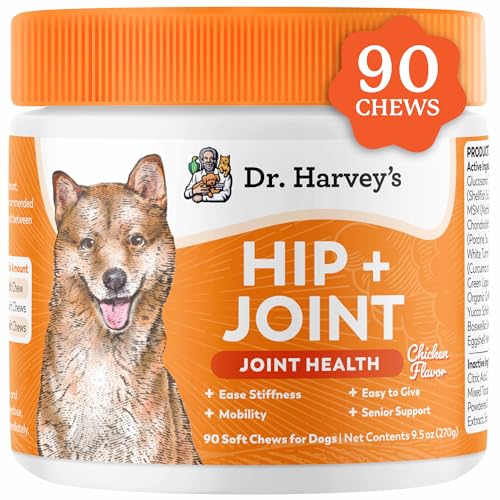
MSM is a sulphur compound that reduces inflammation and oxidative stress. The evidence in dogs is thinner than for glucosamine, but a 2004 study in horses showed significant improvement in joint function. Most canine products include it as a supporting ingredient rather than the star player.
Anecdotally, I noticed more difference with MSM than I expected. When I switched Max from a glucosamine-only supplement to one with MSM, his morning stiffness improved within about three weeks. Could be placebo (on my part — dogs don’t do placebo). But I kept him on it.
Green-Lipped Mussel
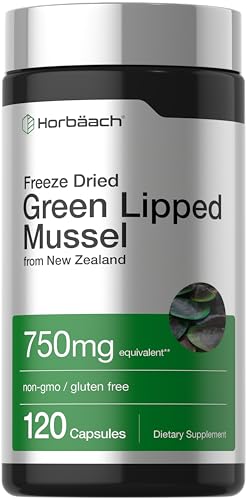
This is the ingredient I’m most excited about. Green-lipped mussel (Perna canaliculus) from New Zealand contains omega-3 fatty acids, glycosaminoglycans, and unique fatty acid called ETA that isn’t found in fish oil.
The Bhathal et al. study from 2017 showed significant improvement in pain and function compared to placebo. The Roush study on omega-3s in dogs with osteoarthritis showed measurable improvement in weight-bearing. Green-lipped mussel gives you both the omega-3s and the additional anti-inflammatory compounds.
One caveat: quality varies dramatically. The mussels need to be processed quickly and at low temperatures to preserve the active compounds. Cheap powders often come from mussels processed for human food waste, with the good stuff already extracted. Look for cold-processed or freeze-dried sources from named New Zealand suppliers.
Omega-3 (EPA/DHA)
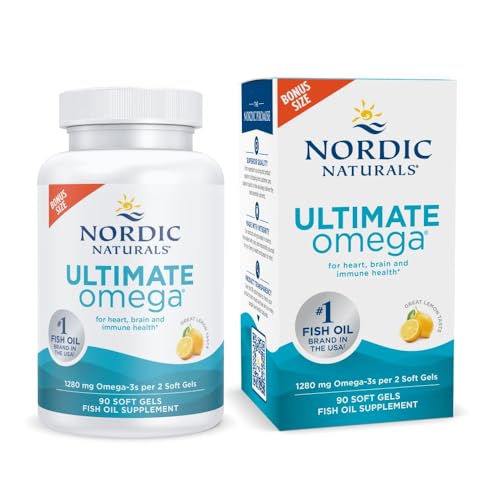
If your dog isn’t already on fish oil, this is the low-hanging fruit. The anti-inflammatory effects of EPA and DHA are well-established in both human and veterinary medicine. A Hills-funded study (yes, I know — take it with appropriate salt) showed dogs on high-dose omega-3s could reduce their NSAID dose.
You can get omega-3s from fish oil or from green-lipped mussel. If you’re already supplementing with a mussel product, you may not need additional fish oil. But if you’re doing glucosamine/chondroitin only, adding omega-3s separately is a good move.
Ingredients With Weaker Evidence (Save Your Money)
I see these on labels constantly. They’re not necessarily useless, but the evidence isn’t there to justify premium pricing:
Hyaluronic acid — Works brilliantly when injected directly into joints. Oral bioavailability? Questionable at best.
Turmeric/Curcumin — Anti-inflammatory in lab studies, but dogs metabolise it so quickly that oral dosing probably doesn’t reach therapeutic levels. You’d need a specially formulated version with absorption enhancers, and even then… maybe.
Collagen peptides — The theory makes sense (you’re eating joint tissue to build joint tissue), but the clinical evidence in dogs is sparse. Won’t hurt. Might help. I wouldn’t pay extra for it.
Vitamin C — Dogs synthesise their own vitamin C. They don’t need it supplemented unless they have a specific condition.
How to Read a Joint Supplement Label
Most joint supplement labels are designed to impress, not inform. Here’s what to actually look for.
NASC Quality Seal — Why It Matters
The National Animal Supplement Council (NASC) is the closest thing to regulation in the pet supplement industry. Members agree to quality audits, adverse event reporting, and label accuracy testing.
Is NASC membership a guarantee? No. But products without it are playing in the Wild West. I found a 2019 analysis that tested 32 glucosamine products — nearly half contained less glucosamine than claimed, and some contained barely any. All the accurate ones were NASC members.
Look for the NASC Quality Seal on the packaging. If it’s not there, move on.
Active Ingredient Dosage by Body Weight
Here’s a quick reference table for therapeutic doses. Note these are therapeutic doses for dogs with existing joint issues — maintenance doses can be 30-50% lower.
| Ingredient | Small Dogs (<20 lbs) | Medium (20-50 lbs) | Large (50-90 lbs) | Giant (>90 lbs) |
|---|---|---|---|---|
| Glucosamine | 250-500mg | 500-1000mg | 1000-1500mg | 1500-2000mg |
| Chondroitin | 100-200mg | 200-400mg | 400-600mg | 600-800mg |
| MSM | 250-500mg | 500-1000mg | 1000-1500mg | 1500-2000mg |
| EPA+DHA | 500mg | 1000mg | 1500mg | 2000mg |
Read the actual numbers, not the marketing. “Triple strength” means nothing if the base dose was pathetically low.
Best Joint Supplements Compared
I’ve tested these on my own dogs and talked to enough owners to have strong opinions. Not every product gets equal airtime here because not every product deserves it.
Best Overall — Daily Maintenance: Nutramax Cosequin DS Plus with MSM

This is what Max has been on for four years. It’s boring. It works.
Cosequin has the longest track record in veterinary joint supplements. The DS (double-strength) formulation with MSM hits all the key ingredients at proper doses. It’s NASC certified, the company funds actual research, and every vet I’ve asked recommends it without hesitation.
The chewable tablets taste like cardboard — Max won’t eat them voluntarily, so I wrap them in cream cheese. But the capsule version (Professional line) mixes into food easily.
What I like: Consistent dosing, established safety record, available everywhere including Costco. The professional line is identical to what vets sell but cheaper through Chewy.
What I don’t: Pricey for large breed owners. At 1500mg glucosamine per day for a 70-pound dog, you’re going through tablets fast.
About £45/month for a large dog. Annoying, but I’ve seen what Max’s mobility looks like when I tried switching to cheaper alternatives. We switched back.
Best for Severe Arthritis: Antinol Rapid
This is the one I recommend when someone says their dog is really struggling. It’s pricey — around £60-70/month — but it’s also the only joint supplement I’ve seen produce noticeable improvement within two weeks.
Antinol uses a patented CO2 extraction process for green-lipped mussel that preserves compounds other methods destroy. The company has published research showing anti-inflammatory effects comparable to NSAIDs in lab settings. I’m usually sceptical of proprietary processes, but the clinical data here is better than most.
My neighbour’s 12-year-old Lab could barely manage a five-minute walk. After three weeks on Antinol, she was doing twenty minutes. Coincidence? Maybe. But I’ve heard similar stories from multiple owners.
Best for: Dogs already showing significant arthritis symptoms. Not a first-line maintenance supplement — the cost doesn’t make sense for prevention.
Best Soft Chew (Picky Eaters): Zesty Paws Mobility Bites
If your dog won’t take tablets, these are the answer. They’re essentially treats that happen to contain joint support. My friend’s Cavalier — who rejects anything vaguely medicinal — eats these voluntarily.
The glucosamine dose is lower than Cosequin (400mg vs 600mg per chew for a medium dog), so you need to give more of them. But they include green-lipped mussel and omega-3s, which partially compensates. Not my first choice for therapeutic dosing, but excellent for compliance.
Best Powder for Mixing With Food: Doggie Dailies Glucosamine
Some dogs are impossible about chews. Powder disappears into wet food. This one dissolves completely, has minimal taste, and costs about half what brand-name tablets run.
The glucosamine is HCl, chondroitin dose is on the lower end, and it includes MSM and CoQ10. Solid middle-ground option.
Best Budget Option: Extend Joint Care
At about £25/month for a large dog, Extend is the cheapest option I’d actually recommend. It’s NASC certified, hits reasonable doses, and uses the glucosamine/chondroitin/MSM combination. No frills, no fancy extraction processes, just the basics done correctly.
Best Vet-Prescription Strength: Synoquin EFA
Your vet may push Synoquin, and there’s a reason — it’s dosed higher than over-the-counter options and includes Dexahan (a proprietary krill oil concentrate) for additional omega-3s. The EFA version adds fatty acids to the standard glucosamine/chondroitin formula.
It’s expensive and requires a vet relationship to purchase. For severe cases where you want everything optimised, it might be worth it. For typical prevention? Overkill.
When to Start Joint Supplements (Breed-Specific Guidance)
The boring answer: before symptoms appear. The practical answer depends on breed.
Large and giant breeds (Labs, Goldens, German Shepherds, Great Danes, Mastiffs): Consider starting at 2-3 years old, especially if parents had hip issues. These breeds are basically born with a joint disease countdown timer.
Breeds with known joint problems (Bulldogs, Dachshunds, Basset Hounds, Corgis): The unusual body structures put abnormal stress on joints. Starting at 3-4 years isn’t crazy.
Active and working dogs: If your Border Collie does agility three times a week, their joints are taking more punishment than a couch potato’s. I’d start by age 4-5 regardless of breed.
Small breeds with luxating patellas (Chihuahuas, Pomeranians, Yorkies): Joint supplements won’t fix a mechanical problem, but they can support the surrounding structures. Worth considering if your dog has been diagnosed.
Everyone else: Age 7-8 is a reasonable starting point. Or whenever you notice the first signs — hesitation before jumping, slow starts in the morning, reluctance on stairs.
How Long Before You See Results
This is where expectations need managing.
Glucosamine/chondroitin: 4-6 weeks minimum. I didn’t see clear improvement with Max until week five. Some dogs take 8-12 weeks. If you don’t see any change by three months, the supplement probably isn’t working for your dog.
Green-lipped mussel products: Often faster — 2-4 weeks. The anti-inflammatory effects kick in before the cartilage support.
Omega-3s: 4-6 weeks for joint benefits. You might notice coat improvements earlier.
What “improvement” looks like: Don’t expect your 10-year-old to move like a puppy. Look for willingness to take longer walks, less hesitation before movement, more comfortable positions when lying down, and less stiffness after rest. Sometimes the improvement is just… they seem happier. That counts.
Can You Combine Supplements With NSAIDs?
Yes, and you probably should if your dog is on NSAIDs for arthritis.
The goal with supplements is to support joint health enough that you might reduce the NSAID dose over time. NSAIDs work brilliantly for pain but have long-term risks — stomach ulcers, kidney damage, liver effects. If supplements can let you drop from a full dose to a half dose, that’s a win.
Never adjust NSAID doses without vet guidance. But do tell your vet you want to try supplements as a complementary approach. Most will be supportive.
One thing to watch: both fish oil and some NSAIDs can affect blood clotting. If your dog is having surgery, mention all supplements to your vet beforehand. They may want you to stop omega-3s for a week pre-surgery.
Side Effects and Quality-Control Red Flags
Joint supplements are generally safe, which is both good news and part of the problem — the lack of side effects lets low-quality products fly under the radar.
Actual side effects to watch for:
- GI upset (vomiting, diarrhoea) — usually from the chondroitin. Try giving with food.
- Allergic reactions to shellfish-derived glucosamine (rare, but possible if your dog has seafood allergies)
- Increased thirst with some MSM products
Red flags that suggest a low-quality product:
- No NASC seal
- Dosages not listed by weight (just “one chew daily” for all sizes)
- Proprietary blends that don’t disclose individual ingredient amounts
- Made outside the US, UK, or EU without clear quality certifications
- Prices that seem too good to be true (they are)
- Claims about “curing” arthritis or “regenerating” cartilage (neither is possible with supplements)
I spent £80 on a supplement once that turned out to contain almost no glucosamine when independent testing was done. The packaging looked premium. The marketing was convincing. It was essentially a scam. Stick with established brands and NASC certification.
If I had to pick just one: Cosequin DS Plus with MSM for most dogs, Antinol if they’re already struggling. Start earlier than you think you need to. And don’t expect miracles — these are supplements, not medications. But after six years of watching them help three different dogs stay mobile longer, I’m convinced they’re worth it.
Featured Image Source: Pexels