
If someone had told me ten years ago that a tiny plastic box would completely change how I train dogs, I would’ve laughed. I’d spent years doing the whole “NO! Bad dog!” routine, yanking leashes, and wondering why my dogs looked at me like I was slightly unhinged. Then a friend handed me a clicker and said, “Just try it.”
Within three days, my stubborn Beagle — the one who’d been ignoring “sit” for two solid months — was sitting, lying down, and offering me a paw like she’d been doing it her whole life. I was genuinely furious at myself for not discovering clicker training sooner.
Here’s the thing: clicker training isn’t some trendy hack. It’s rooted in decades of behavioral science, and it works on pretty much every dog I’ve ever met. Puppies, seniors, reactive rescues, the whole spectrum. If you’re new to it, this guide covers everything you need to get started — and avoid the dumb mistakes I made along the way.
What Clicker Training Actually Is (And Why It Works So Well)
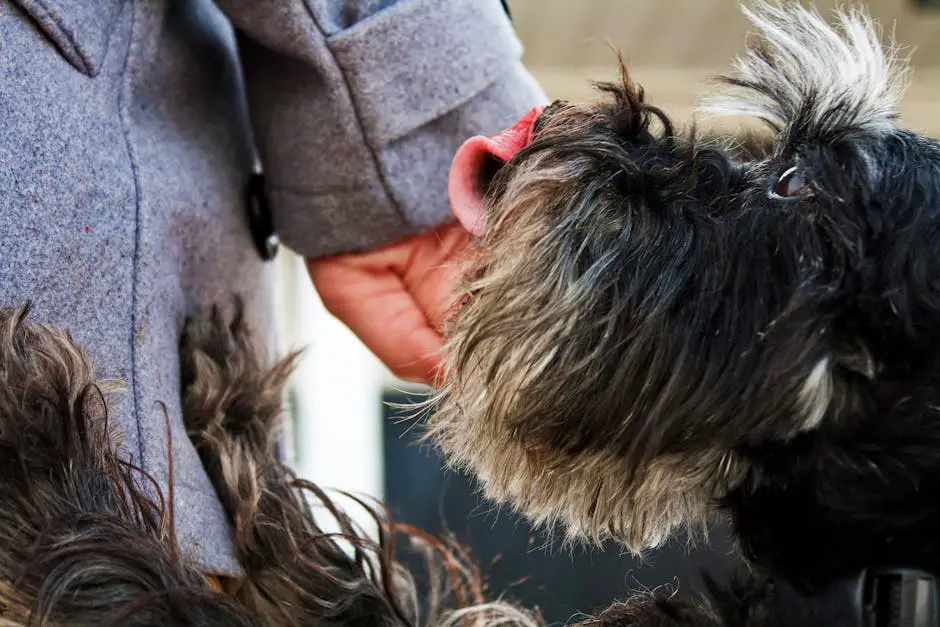
At its core, clicker training is simple. You press a small device that makes a sharp “click” sound, and then you give your dog a treat. The click becomes a signal — a bridge — that tells your dog, “Yes, THAT exact thing you just did is what I wanted.”
Why not just say “good boy”? Because your voice changes. You say it differently when you’re tired, excited, distracted, or frustrated. The clicker never changes. It sounds the same at 7 AM when you’re half-asleep and at 6 PM when you’re wired on coffee. Dogs pick up on that consistency fast.
The science behind it is called operant conditioning — specifically, positive reinforcement. The dog does something, hears the click, gets a reward, and thinks, “I should do that again.” It’s the same principle that trainers use with dolphins, horses, and even chickens. Yeah, chickens. If it works on a chicken brain, your Golden Retriever can handle it.
What really sold me was the speed. My first dog, a Lab mix named Duke, took about three weeks to learn “shake” with traditional treat-luring. My Beagle learned it in two sessions with a clicker. Not exaggerating. The precision of the click — marking the exact moment the behavior happens — makes a massive difference.
Getting Your Equipment Together
You don’t need much. That’s one of the best parts.
The clicker itself: I’ve tried a bunch. The basic box clickers from PetSafe work fine and cost about $3. I personally prefer the i-Click style — it’s softer, quieter, and easier on your thumb after 20 repetitions. Some dogs (especially nervous ones or puppies) startle at a loud click, so the softer versions are worth the extra dollar.
Treats: This is where most beginners mess up. You need treats that are:
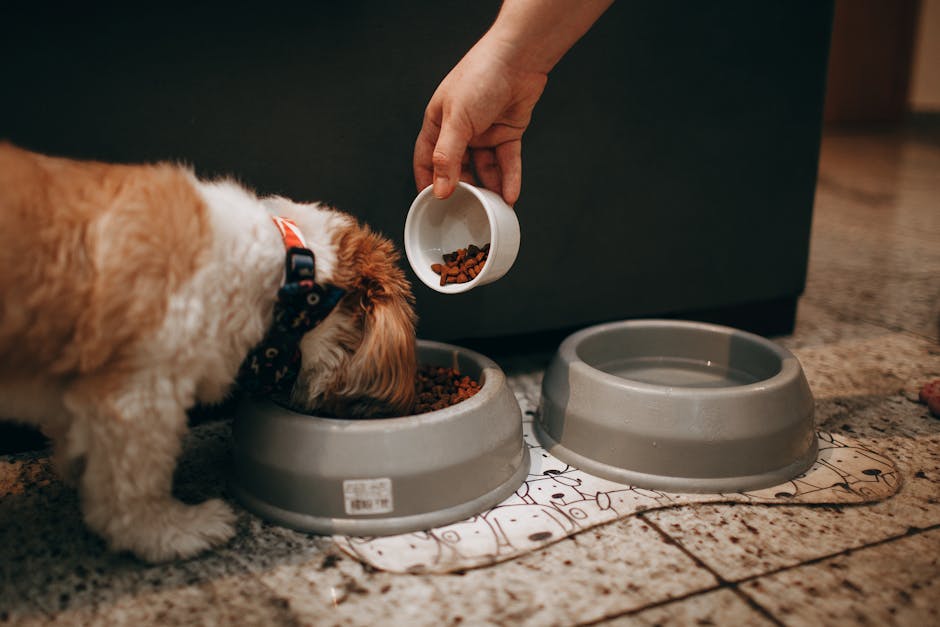
- Tiny — pea-sized, seriously. You’ll be giving dozens per session.
- Soft — your dog shouldn’t spend 30 seconds crunching. That kills the momentum.
- Irresistible — save the boring kibble for mealtimes. Training treats should be the good stuff.
My go-to? Zuke’s Mini Naturals or small pieces of boiled chicken. For my food-obsessed Beagle, plain string cheese worked like magic. Cut it into tiny bits.
A treat pouch: Not strictly necessary, but fumbling around in your pocket while your dog loses focus gets old fast. I resisted buying one for months. Stupid decision. A $10 treat pouch from Amazon changed my sessions completely.
That’s it. Clicker, treats, and optionally a pouch. Total startup cost: under $20.
Your First Clicker Training Session (Step by Step)
Before you teach a single command, you need to “charge” the clicker. This is the step most YouTube tutorials breeze past, and it’s the most important one.
Charging the Clicker
Sit down with your dog in a quiet room. No distractions. Click the clicker, then immediately give a treat. Don’t ask your dog to do anything. Just click, treat. Click, treat. Do this about 15-20 times.
You’ll know it’s working when your dog’s ears perk up or they look at you expectantly the instant they hear the click — before the treat even appears. That’s the lightbulb moment. They’ve made the connection: click = something good is coming.
This usually takes one session of about five minutes. Some dogs get it in 10 reps. My Beagle needed maybe 12. My friend’s Shih Tzu took two sessions. Either way, don’t skip this.
Teaching “Sit” With a Clicker
Once the clicker is charged, pick something easy. “Sit” is perfect.
- Stand in front of your dog with treats ready.
- Hold a treat above their nose and slowly move it back over their head.
- Their butt will naturally go down. The instant it touches the floor — click.
- Give the treat.
- Repeat 5-8 times.
After a few reps, your dog will start sitting faster. They’re figuring out the game. Once they’re offering the sit reliably, start saying “sit” just before they do it. Now you’re adding the verbal cue to a behavior they already understand.
Big mistake I made early on: clicking too late. If you click after your dog has already stood back up, you’ve just told them standing up is the right answer. Timing matters more than anything else in clicker training. Aim to click within half a second of the behavior.
Common Mistakes That’ll Slow You Down
I’ve made every single one of these. Learn from my pain.
Clicking without treating. Every click must be followed by a treat. Every. Single. Time. If you click accidentally — like when you’re adjusting the clicker in your hand — treat anyway. The click is a promise, and breaking that promise weakens the whole system.
Sessions that drag on too long. Dogs have short attention spans for structured learning. Keep sessions to 3-5 minutes, especially at first. Three focused minutes beat twenty sloppy ones. I do 2-3 short sessions a day with breaks in between. My dogs actually get excited when they see me grab the clicker because sessions are short and fun — not exhausting.
Raising the bar too fast. Your dog nails “sit” in the living room? Great. That doesn’t mean they can do it at the park with squirrels running past. Increase difficulty gradually. Change one thing at a time — a new room, a mild distraction, slightly more distance. Trying to go from kitchen to dog park in one leap is a recipe for frustration on both sides.
Using the clicker as an attention-getter. The clicker is not a way to call your dog over. It marks a correct behavior. Clicking randomly to get their attention dilutes its meaning fast. I watched a guy at the park clicking at his dog like a TV remote. That clicker was meaningless within a week.
Repeating commands. “Sit. Sit. SIT. SIT!” If your dog doesn’t respond, they either don’t understand yet or the environment is too distracting. Repeating louder teaches them to ignore the first few times. Say it once, wait, and if nothing happens, make it easier.
What You Can Teach With a Clicker
Honestly? Almost anything. The clicker is a communication tool, and once your dog understands the game, the possibilities open up fast.
Basic Obedience
Sit, down, stay, come, leave it, heel — all of these respond beautifully to clicker training. “Stay” is where the clicker really shines because you can mark tiny increments of duration. Click at 2 seconds, then 5, then 10. The dog learns that holding position is what earns the reward.
Fun Tricks
Spin, shake, roll over, touch (targeting your hand), speak, crawl. My Beagle learned to ring a bell to go outside in about four days. That one genuinely impressed me — she’d been having accidents for weeks before that, and the bell system solved it almost overnight.
Behavior Problems
This is where clicker training gets really powerful. Instead of punishing what you don’t want, you reward what you do want.
Dog jumps on guests? Click and treat when all four paws are on the floor. Dog barks at the window? Click and treat when they turn away from it. You’re not ignoring the bad behavior — you’re building a competing habit that’s more rewarding.
I used this approach with a reactive foster dog who lunged at other dogs on walks. Click and treat for looking at another dog without reacting. It took about three weeks, but the change was dramatic. She went from full meltdowns to calmly glancing at passing dogs.
Shaping — The Advanced Stuff
Once you’re comfortable with the basics, look into shaping. This is where you click for small steps toward a final behavior, without luring or guiding the dog at all. You just wait and click any movement in the right direction.
Want your dog to put a toy in a box? Click for looking at the box. Then for walking toward it. Then for touching it. Then for picking up the toy near it. Then for holding the toy over it. Then for dropping it in.
Shaping takes patience, but it creates dogs that actively think and problem-solve. My current dog, a Border Collie mix, goes absolutely nuts for shaping sessions. You can see her cycling through behaviors trying to figure out what earns the click. It’s like watching gears turn.
When Clicker Training Might Not Be the Best Fit
I’m a huge advocate, but I’ll be honest — there are situations where a clicker isn’t the easiest tool.
Very sound-sensitive dogs. Some dogs — particularly certain rescue dogs or breeds prone to noise anxiety — find even a quiet clicker startling. For these dogs, try a verbal marker instead. Pick a short, consistent word like “yes” and use it exactly the same way you’d use a click. It’s slightly less precise but still effective.
Off-leash recall at a distance. If your dog is 50 yards away, they might not hear the click. A whistle or verbal marker carries further. I use the clicker for close-up training and a sharp “yes!” for distance work.
Multi-dog households during training. If you have three dogs in the room, a click tells all of them “good job” — even if only one did the right thing. Solution: train dogs individually, at least in the beginning. Crate or separate the others. I learned this the hard way when all three of mine started offering random behaviors simultaneously and it turned into chaos.
None of these are dealbreakers. They’re just situations where you adjust the approach slightly.
Tips That Took Me Years to Figure Out
End on a win. Always finish a session with something your dog does well. If you’re struggling with a new behavior, go back to something easy and click that. You want your dog to walk away feeling successful, not confused.
Keep a training journal. Even just notes on your phone. “Tuesday: worked on ‘down,’ got 4/5 at close range, fell apart with the TV on.” You’ll spot patterns and progress you’d otherwise forget. I have a notes folder on my phone that’s embarrassingly detailed.
Fade the clicker eventually. The clicker is a teaching tool, not a lifelong crutch. Once a behavior is solid and on cue, you can phase it out and just use praise and occasional treats. The goal is a dog that responds to your cues reliably, not one that only works when they hear plastic clicking.
Train before meals, not after. A slightly hungry dog is a motivated dog. I do training sessions about 30 minutes before dinner. The difference in enthusiasm is obvious.
Your energy matters. If you’re irritated or rushed, your dog knows. They’ll shut down or get anxious. If you’re not in the mood, skip the session. A missed day won’t set you back. A bad session might.
Frequently Asked Questions
What age can I start clicker training a puppy?
As soon as they come home — typically around 8 weeks. Puppies are sponges at that age. Keep sessions extremely short (1-2 minutes) and use extra-soft treats. My Border Collie mix started at 9 weeks and was offering sits within the first day. Just don’t expect long attention spans. If the puppy wanders off, that’s your signal to stop.
Can I use a word instead of a clicker?
Absolutely. A short, sharp word like “yes” works as a marker. The trade-off is that it’s slightly less consistent than a mechanical click — your tone varies with your mood, and you can’t say “yes” as precisely fast as you can press a button. But plenty of excellent trainers use verbal markers. If you forget the clicker or find it awkward, a verbal marker is a solid alternative.
My dog isn’t food-motivated. Will clicker training still work?
Usually, yes — but you need to find what does motivate them. Some dogs go crazy for a quick game of tug instead of a treat. Others want a ball thrown. I’ve known a Greyhound who’d do anything for 10 seconds of belly rubs. The clicker marks the behavior; the reward that follows can be anything the dog values. That said, most “not food-motivated” dogs just haven’t found the right treat. Try real meat — boiled chicken, freeze-dried liver, tiny bits of hot dog. Most dogs suddenly become very food-motivated when the stakes go up.
How long until I see results?
For basic commands with a clicker, most dogs show noticeable improvement within 3-5 sessions. That’s assuming you keep sessions short, your timing is decent, and the treats are motivating enough. More complex behaviors or behavior modification (like reactivity) take weeks to months. But you’ll likely see small wins early that keep you going. The first time your dog’s eyes light up at the click sound and they immediately look to you? That’s when you’ll be hooked.
Is clicker training the same as positive reinforcement training?
Clicker training is one tool within positive reinforcement training, but they’re not identical. Positive reinforcement is the broader philosophy — rewarding desired behaviors instead of punishing unwanted ones. The clicker is a specific method for marking those behaviors with precision. You can do positive reinforcement training without a clicker (using verbal praise, treats, play), but the clicker adds a level of timing accuracy that speeds up the learning process significantly.
Wrapping Up
Clicker training changed the way I communicate with my dogs. Not gradually — it was like flipping a switch. Instead of trying to correct mistakes, I started showing them exactly what I wanted. And they responded faster, happier, and with way more enthusiasm than any method I’d tried before.
The barrier to entry is absurdly low. A few bucks for a clicker, some decent treats, and five minutes of your time. That’s it. If you’ve been struggling with training, or your dog gives you that blank stare when you ask for anything, grab a clicker and spend one session charging it. Just one. See what happens.
I’ve recommended clicker training to dozens of friends and family members over the years. Every single one has come back and said some version of “why didn’t I do this sooner?” You probably will too.
Featured Image Source: Pexels