
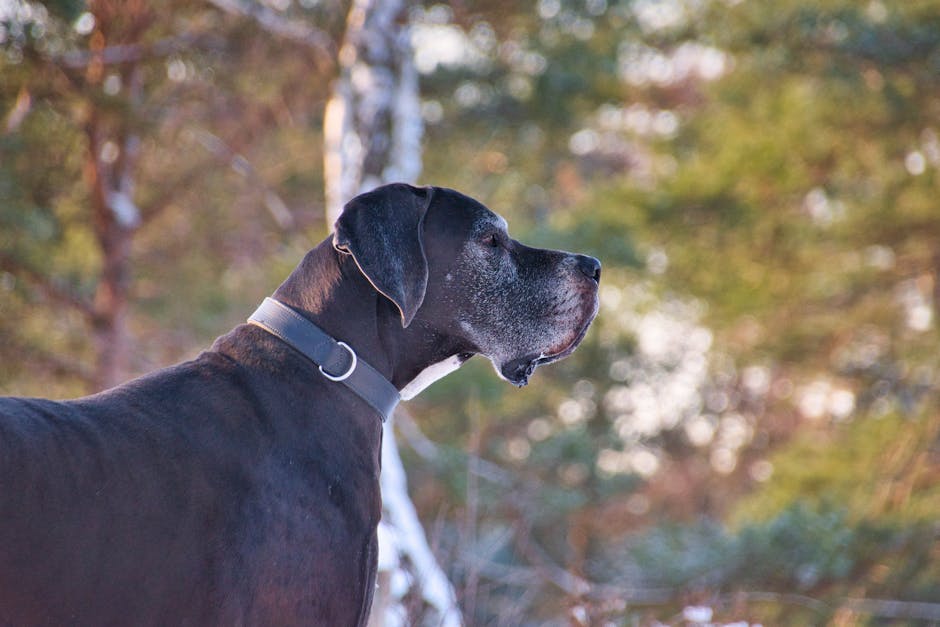

I’ll be honest — when my friend Megan told me she was getting a Great Dane for her 850-square-foot apartment, I thought she’d lost her mind. A dog that stands taller than most kitchen counters, living in a space smaller than some people’s garages? It sounded like a disaster waiting to happen.
That was six years ago. Megan and her Dane, Hugo, proved me completely wrong. And since then, I’ve helped three other friends set up apartment life with Great Danes. The answer to whether a Great Dane can live in an apartment isn’t just yes — it’s that they’re often better apartment dogs than the 30-pound terrier mix bouncing off your walls.
But there’s a catch. Actually, several catches. Making this work requires specific knowledge about the breed’s health vulnerabilities, some furniture rearranging, and a landlord who won’t faint when they see your “dog” for the first time.
Why Great Danes Are Surprisingly Good Apartment Dogs
Here’s what most people get wrong about large breeds and apartments: they assume bigger dog equals more space needed equals more energy to burn. That math doesn’t work. A Border Collie in an apartment is a nightmare — I know this from personal experience with my girl Rosie, who literally ate through a door frame during her first year. A Great Dane? Completely different animal in terms of temperament and energy demands.
The Couch Potato Myth That’s Actually True
Great Danes have earned the nickname “the world’s biggest lapdogs,” and it’s not just cute branding. These dogs genuinely believe they’re 140-pound lap accessories. Hugo spends roughly 18 hours a day sleeping. That’s not an exaggeration — Megan tracked it once out of curiosity.
Adult Great Danes sleep 16-18 hours per day. Puppies even more. When they’re not sleeping, they’re usually doing a slow patrol of the apartment, checking if you’ve dropped any food, then returning to their spot on the couch. Or your spot on the couch, which is now their spot.
This low-key lifestyle is exactly why can great danes live in apartments isn’t the ridiculous question it sounds like. They don’t need a yard to run laps in because they don’t want to run laps. Period.
Energy Levels vs Physical Size
Let’s put some numbers on this. Compare activity levels across popular breeds that people commonly keep in apartments:
| Breed | Weight | Daily Exercise Needed | Indoor Energy Level |
|---|---|---|---|
| Great Dane | 110–175 lbs | 30–60 minutes | Very Low |
| Australian Shepherd | 40–65 lbs | 90–120 minutes | Very High |
| Jack Russell Terrier | 13–17 lbs | 60–90 minutes | Extremely High |
| French Bulldog | 16–28 lbs | 30 minutes | Low to Moderate |
| Border Collie | 30–55 lbs | 120+ minutes | Extremely High |
See the pattern? The Great Dane needs less exercise than dogs a quarter their size. Physical size just doesn’t correlate with energy output the way people assume. A Great Dane takes up more floor space than a Jack Russell, sure. But the Jack Russell is going to ricochet off every surface in your apartment while the Dane snores on the sofa.
Space Requirements — What a Dane Actually Needs
Okay, let’s talk square footage. Because while Danes are calm, they’re still enormous. You can’t pretend physics doesn’t apply.
Square Footage Considerations
There’s no magic number, but here’s my honest take after watching several great dane apartment dog situations play out: anything under 600 square feet is going to feel tight. Not impossible, but tight. You’ll constantly be navigating around your dog.
Between 700 and 1,000 square feet is the sweet spot. You’ve got room for the dog’s bed (which is basically a twin mattress), space to walk without tripping over legs that go on forever, and enough separation that you’re not always on top of each other.
Above 1,000 square feet? You’re golden. That’s honestly more space than most Danes know what to do with.
The layout matters more than raw square footage, though. An open-concept 750-square-foot apartment works better than a chopped-up 900-square-foot place with narrow hallways. Danes need room to turn around. They’re not exactly agile.
Furniture and Layout Adjustments
You’re going to rearrange. Accept it now. Here’s what Megan learned through trial and error:
- Push furniture against walls to create clear pathways. Danes walk through the middle of rooms, not around edges like smaller dogs.
- Ditch the coffee table or switch to an ottoman. A Dane’s chest height is exactly coffee-table height, and they’ll sweep everything off it just by walking past.
- Invest in a proper orthopedic dog bed — 54 inches minimum. Place it in the main living area where the dog can see the front door. Danes are watchful even when lazy.
- Gate off any rooms you truly can’t Dane-proof. Bathroom, home office with cables everywhere — whatever needs protecting.
The Tail Problem (And Your Breakables)
I need to talk about the tail. Nobody warns you about the tail.
A Great Dane’s tail is essentially a whip made of bone and muscle, attached to a dog who has zero spatial awareness about what’s behind them. Hugo broke two wine glasses, a picture frame, and left bruises on Megan’s thighs — all in his first month. “Happy tail” isn’t just a cute phrase. It’s a genuine concern, and in apartments where surfaces are closer together, everything is within striking distance.
Move breakables above tail height (roughly 30-36 inches from the floor for most Danes). Switch to plastic or metal containers where you can. And if your Dane is a serious tail-wagger, consider padded tail wraps during high-excitement times like when guests arrive.
Exercise Needs in an Apartment Setting
This is where apartment living with a Dane either works beautifully or falls apart. The exercise needs are manageable — but they’re non-negotiable.
Daily Walk Requirements
Thirty to sixty minutes of moderate walking per day. That’s it. Split across two walks — morning and evening — and your Dane will be content. Not a marathon. Not a run. Just steady walking at whatever pace your Dane sets, which is usually “leisurely stroll with frequent sniffing stops.”
Puppies under 18 months actually need less structured exercise, not more. Their joints are still developing, and overdoing it causes serious long-term damage. The old rule of five minutes per month of age, twice a day, is a good baseline.
What about mental stimulation? Danes aren’t Border Collies — they don’t need puzzle feeders and agility courses to stay sane. But a good sniff walk (letting them lead and explore at their pace) does more for their mental state than a brisk 45-minute power walk ever will. Find a park. Let them smell things. That’s enrichment for a Dane.
Why High-Impact Exercise Is Dangerous for Danes
This is serious. Never jog with a Great Dane on pavement. Don’t take them to dog parks where they’ll sprint and roughhouse with other large dogs. And absolutely do not let them do high-impact jumping — off beds, off trucks, over obstacles.
Great Danes are genetically predisposed to joint problems. Their growth rate is staggering — they go from 1 pound to 100+ pounds in about a year. That rapid growth puts enormous stress on developing bones, ligaments, and cartilage. High-impact exercise accelerates the damage.
This actually works in your favor as an apartment dweller. You don’t need high-energy exercise options. You need slow, steady, joint-friendly movement. Walks on flat ground. Swimming if you can access it. That’s the prescription whether you live in an apartment or on ten acres.
Apartment-Specific Challenges
Time for the hard stuff. Because great dane small space living isn’t all lazy Sundays on the couch.
Stairs and Elevators (Joint Stress)
If your apartment is above the ground floor, think carefully about access. Stairs are brutal on Great Dane joints, especially for puppies and senior dogs. Carrying a 140-pound dog down three flights when they’ve hurt a leg isn’t realistic for most people.
Elevators solve this — but your Dane needs to fit. Most standard elevators are fine for a single Dane, but if you’re sharing with other residents and their dogs, things get awkward fast. Work on elevator manners early and always ride with your dog calm and under control.
Ground-floor apartments or buildings with reliable elevators are strongly preferred. If you’re in a walk-up above the second floor, I’d honestly steer you toward a different breed.
Breed Restrictions and Landlord Negotiations
Here’s the wall many potential Dane owners hit: weight restrictions. A huge number of apartment complexes cap pet weight at 50 pounds. Some go as high as 75. Almost none officially accommodate a 150-pound dog.
Strategies that have worked for people I know:
- Offer a larger pet deposit. Money talks. An extra $500-$1,000 deposit signals you’re serious and responsible.
- Provide a pet resume. Include vaccination records, training certificates, references from previous landlords.
- Meet in person with the dog. Landlords who’ve never met a Dane picture a wild beast. When they meet a calm, gentle giant who wants to lean against their legs? Game-changer.
- Look for private landlords over management companies. They have more flexibility to make exceptions.
And read your lease carefully. Some places restrict by breed name specifically, others by weight. Know which battle you’re fighting.
Noise — Are Great Danes Barkers?
Good news. Great Danes are not excessive barkers. They’ll alert-bark when someone knocks or when something unusual happens, but they’re not yappy. Their bark is, however, absolutely thunderous. We’re talking deep, booming, wall-shaking bark. Your neighbors will hear it.
The sound travels through apartment walls and floors like nothing else. One bark from Hugo and Megan’s downstairs neighbor texted her every single time. Training a reliable “quiet” command early is essential — not because the dog barks often, but because when they do, everyone in a three-unit radius knows about it.
Health Considerations for Indoor Danes
This section matters more than any furniture arrangement or exercise routine. Great Dane health is complicated, and some issues are directly affected by your living situation.
Bloat Risk and Feeding Protocols
Bloat, or GDV (Gastric Dilatation-Volvulus), is the number one killer of Great Danes. The stomach fills with gas and can twist on itself, cutting off blood supply. Without emergency surgery, it’s fatal — often within hours.
Apartment living doesn’t cause bloat, but your feeding setup matters:
- Feed two to three smaller meals instead of one large meal. Never let your Dane gorge.
- Wait at least 60 minutes after eating before any exercise. Even a walk. This is the single most important rule.
- Use a slow-feeder bowl. Danes who inhale food swallow excess air, increasing bloat risk.
- Skip elevated bowls unless your vet specifically recommends them. The research on raised feeders and bloat risk has gone back and forth, but recent studies suggest they may actually increase risk in large breeds.
- Learn the symptoms: restlessness, drooling, unproductive retching, distended abdomen. Know the nearest emergency vet’s address by heart.
Joint Care on Hard Floors
Most apartments have hard flooring — hardwood, laminate, tile. All terrible for Great Dane joints. Those long legs on slick surfaces mean sliding, splaying, and strain on hips and elbows.
Non-slip rugs are mandatory, not optional. Cover all main walkways and any area where your Dane lies down, eats, or transitions from sitting to standing. Rubber-backed runners work well for hallways. Yoga mats under food bowls prevent slipping during meals.
Your Dane’s bed should be orthopedic — minimum 6 inches of supportive foam. Flat pillow beds aren’t enough for a dog this heavy. Budget $150-$250 for a proper bed and consider it the most important purchase you’ll make. Their joints will thank you when they’re five, six, seven years old.
The Short Lifespan Reality (7-10 Years)
I debated including this. But if you’re considering whether a gentle giant apartment breed fits your life, you need to know: Great Danes live an average of 7-10 years. Some make it to 12. Many don’t see 8.
That’s the heartbreak of giant breeds. You get fewer years. Every year matters more. And it affects the practical apartment calculus too — you’re not committing to 15 years of navigating weight restrictions and elevator logistics. It’s a shorter, intensely loving relationship.
Make those years count. Prioritize their health, give them comfort, and don’t skip vet visits because the bills are staggering (and they will be — everything costs more for giant breeds, from medications dosed by weight to the size of the surgical table).
Making It Work: Setup Checklist for Dane Apartment Life
Before bringing a Great Dane into your apartment, make sure you’ve handled these essentials:
- 54-inch crate minimum — 60-inch preferred for males. Measure your space before ordering.
- Orthopedic dog bed, 6+ inches thick, placed in the main living area
- Non-slip rugs or runners covering all hard-floor walkways and rest spots
- Slow-feeder bowl and a feeding station with a mat underneath
- Baby gates for rooms you need to keep dog-free
- Breakables relocated above 36 inches from floor level
- Emergency vet located — know the address, phone number, and fastest route
- Lease reviewed — pet deposit paid, breed and weight approved in writing
- Elevator access confirmed (if not ground floor)
- Two daily walk routes planned — one quick 15-minute morning route, one longer 30-45 minute evening route with good sniffing opportunities
- Pet insurance purchased — seriously, don’t skip this with a giant breed
That covers the physical setup. The rest — training, socialization, building a routine — is the same whether you’re in an apartment or a farmhouse.
Frequently Asked Questions
Can Great Danes live in apartments long-term, or is it just a temporary arrangement?
Absolutely long-term. Danes are indoor dogs regardless of your home size. They can’t live outside — they’re sensitive to temperature extremes and need to be with their people. Many Dane owners in apartments keep them for the dog’s entire life without issues. The key is consistent exercise and proper joint care as they age.
How do I handle a Great Dane puppy in an apartment?
Puppy phase is the hardest part. Dane puppies are clumsy, mouthy, and grow at a terrifying rate — expect to gain 10 pounds per month for the first year. Crate training is essential. Puppy-proof aggressively because their reach increases weekly. And limit stairs to protect growing joints. The good news: they mature into calm adults faster than most breeds, usually settling down around age 2-3.
What’s the biggest mistake people make with Great Danes in apartments?
Under-investing in joint care. Hard floors without rugs, cheap thin beds, and too much high-impact exercise during the growth phase. By the time the dog is 4-5, the damage shows up as arthritis and mobility problems. Spend the money upfront on proper flooring and bedding. It’s cheaper than the vet bills later.
Do Great Danes do okay being left alone in an apartment?
Danes are prone to separation anxiety more than some breeds. They bond intensely with their people. Four to six hours alone is generally manageable for an adult Dane with proper training. Beyond that, consider a dog walker or doggy daycare. A bored, anxious Dane in an apartment can do remarkable amounts of damage — and I don’t mean chewing a shoe. I mean eating through drywall.
Is a male or female Great Dane better for apartment living?
Females tend to be slightly smaller — 110-140 pounds versus 140-175 for males — which makes a real difference in tight spaces. Females also mature faster behaviorally. But individual temperament matters more than sex. A calm male is better than a high-energy female. Meet the specific dog (or the parents, if getting a puppy) before deciding.
Living with a gentle giant in a small space isn’t the contradiction it seems. Great Danes are calm, quiet, and deeply attached to their owners — qualities that make them natural apartment dogs despite their size. The challenges are real — joint care, bloat awareness, finding a willing landlord — but they’re all manageable with preparation and commitment. If you’ve got the ceiling height for a dog that can look you in the eye while standing, and you’re willing to invest in their comfort, a Great Dane might be the best apartment dog you never expected.
Featured Image Source: Pexels