
The Phone Call That Changed Everything
My friend Emma called me at 11pm on a Tuesday, absolutely hysterical. Her golden retriever Max had grabbed a chunk of rawhide from the bin and it was lodged in his throat. He was pawing at his face, making these horrible retching sounds, and she had no idea what to do.
I talked her through it over the phone — the longest four minutes of both our lives. Max was fine. But here’s the thing: Emma had owned dogs for twelve years. She’d never once thought about what she’d do if one of them choked.
Most dog owners are the same. We know CPR exists (vaguely), we know the emergency vet’s number (somewhere), but choking? We assume it won’t happen. Until it does, and you’ve got maybe three minutes before your dog loses consciousness.
Choking vs Reverse Sneezing vs Kennel Cough — Don’t Confuse Them
Before you flip into emergency mode, make sure you’re actually dealing with choking. I’ve seen panicked owners attempt the Heimlich on dogs who were just reverse sneezing — which looks and sounds terrifying but is completely harmless.
Reverse sneezing sounds like your dog is inhaling snorts rapidly, almost like they’re choking backwards. Their neck extends, they might stand still, and it can go on for 30 seconds to a minute. Scary as hell the first time you see it. Completely normal. Usually triggered by excitement, pulling on the lead, or irritants in the air. The dog is breathing the whole time — that’s your key difference.
Kennel cough produces a harsh, hacking cough that sounds like they’re trying to dislodge something. They’ll do it repeatedly over days or weeks. They can still breathe, eat, drink. It’s an infection, not an obstruction.
Actual choking is different. The dog is trying to breathe and can’t. Or can barely. They’re panicked because they know something is blocking their airway. There’s urgency in their body language that you won’t see with the other two.
If you’re not sure — watch for 10-15 seconds. A reverse sneeze resolves itself. Kennel cough comes in fits but the dog relaxes between them. Choking escalates.
The Five Signs of a Truly Choking Dog
Pawing at the Mouth
This is usually the first thing you’ll notice. The dog is frantically scratching at their own muzzle, trying to dislodge whatever’s stuck. It looks desperate because it is. They might also rub their face along the ground or against furniture.
One thing to watch: dogs also paw at their mouths when something’s stuck between their teeth or when they’ve got a bit of grass lodged in their gum. The difference is intensity. A minor annoyance gets casual pawing. Choking gets frantic, repeated attempts.
Blue/Pale Gums (Cyanosis)
Lift your dog’s lip and look at their gums. Healthy gums are pink — salmon pink, bubblegum pink, somewhere in that range. If they’re turning blue, grey, or white, your dog isn’t getting oxygen.
This is the sign that tells you time is critical. Blue gums mean the obstruction is severe enough that air isn’t getting through. You need to act now, not in two minutes.
Loss of Consciousness Timeline
Here’s what most people don’t realise: a dog can lose consciousness from choking in as little as 60-90 seconds. Brain damage starts around 4 minutes without oxygen. Death can follow soon after.
I’m not saying this to scare you. I’m saying it because understanding the timeline changes how you respond. This isn’t a “wait and see” situation. This isn’t “let’s call the vet and ask what to do.” By the time you get through to someone, your window might be closed.
The other signs to watch for: excessive drooling (the body’s attempt to lubricate the obstruction), gagging or retching without producing anything, high-pitched breathing sounds, and a panicked expression. Dogs know when they can’t breathe. You’ll see it in their eyes.
Step 1 — Look Inside the Mouth Safely
Before you try anything else, see if you can spot the obstruction. Sometimes it’s right there, visible and grabbable. Other times it’s deeper in the throat where you can’t see it.
How to Open a Dog’s Mouth Without Being Bitten
A choking dog is a panicking dog, and panicking dogs bite. Not because they’re aggressive — because they’re terrified and operating on pure instinct.
Approach from the side, not head-on. Place one hand over the top of the muzzle, fingers on one side and thumb on the other, behind the canine teeth. Gently press the lips against the teeth — this creates a barrier so if they do clamp down, they’re more likely to bite their own lips than your fingers. Use your other hand to pull down the lower jaw.
With small dogs, you can often cradle their body against yours to control their movement. With large dogs, you might need someone to hold the body while you handle the mouth. If you’re alone, straddle them facing the same direction they are, controlling their body with your legs.
When to Sweep With a Finger and When NOT To
If you can clearly see the object and it’s in the front of the mouth — go ahead and sweep it out with your finger. Hook your finger behind it and scoop forward.
But here’s where most people get this wrong: if you can’t see the object, don’t go fishing for it. Blindly shoving your finger into a dog’s throat can push the obstruction deeper, turning a partial blockage into a complete one. I’ve heard of this happening more than once. Person panics, jams their hand in, makes everything worse.
Only sweep if you can see what you’re grabbing. Otherwise, move to the Heimlich.
Step 2 — Modified Heimlich for Small Dogs
Small dogs (under about 10kg) need a different approach than their bigger counterparts. You can actually damage their ribs or internal organs with too much force.
Pick up your small dog with their back against your chest, head up. Make a fist with one hand and place it just below the ribcage, where the soft belly meets the chest. Your other hand covers the fist. Give 3-5 firm but controlled thrusts — inward and upward.
Think of it like trying to push air out of a tube. You’re compressing the diaphragm to force air up through the windpipe and hopefully dislodge whatever’s stuck.
After each set of thrusts, check the mouth again. Sometimes the object gets pushed up but doesn’t come all the way out — you need to grab it before it falls back down.
If your dog is really tiny — think chihuahua or toy poodle — use even less force. You can do this with just two fingers pressing in instead of a full fist. Their ribcage is fragile.
Step 3 — Modified Heimlich for Medium and Large Dogs
This is the technique I walked Emma through on the phone.
For a standing dog, come up behind them and wrap your arms around their belly, just behind the ribcage. Make a fist, place it in that soft spot below the sternum, cover it with your other hand, and pull firmly inward and upward. Five quick thrusts, then check the mouth.
For a dog that’s lying down (or too weak to stand), lay them on their side. Place the heel of your hand just behind the ribcage and give firm compressions — pushing up toward the spine, not straight down. Same principle: you’re trying to force air out to push the obstruction up.
One thing that helped Emma was when I told her “pretend you’re helping a toddler who’s choking.” Same concept, same motion. She’d actually done a baby first aid course, so that clicked.
After each round of thrusts, sweep the mouth if you can see anything. Sometimes the object comes up partway and you need to help it the rest of the way.
Step 4 — Back Blows (And When They’re the Wrong Move)
In humans, we alternate between back blows and abdominal thrusts. Dogs are a bit different.
Back blows can help, but they work better for smaller dogs and for obstructions that aren’t completely lodged. Hold your small dog face-down with their head lower than their body, and give firm blows between the shoulder blades with the heel of your hand.
For large dogs, back blows are less effective. Their body mass absorbs too much of the impact. Stick with the Heimlich.
And here’s the key thing: don’t waste time alternating if one method isn’t working. If three rounds of back blows haven’t shifted anything, switch to Heimlich. If Heimlich isn’t working, try laying them on their side and doing compressions. Time matters more than technique perfection.
Step 5 — If the Dog Becomes Unresponsive
This is the scenario nobody wants. But if your dog loses consciousness while choking, you need to shift modes immediately.
First, do one more check of the mouth. Sometimes when dogs lose consciousness, their muscles relax enough that the obstruction becomes visible or loose. Do a finger sweep if you can see anything.
Transitioning to CPR
If you can’t clear the airway and your dog isn’t breathing, you need to start rescue breaths. Close their mouth, seal your lips around their nose, and blow gently until you see their chest rise. Two breaths, then check — is air going in? If their chest is rising, the airway has at least some clearance.
If air isn’t going in, try repositioning their head (pull the neck straight, lift the chin) and try again. Still nothing? Do five more Heimlich thrusts and check the mouth.
If you’ve cleared the airway but they’re still not breathing on their own, continue CPR: 30 chest compressions (right where their elbow meets the chest when they’re lying on their side), then 2 breaths. Keep going until they start breathing or until you can get them to a vet.
I won’t lie to you — once a dog stops breathing, the odds aren’t great. But people have brought dogs back. It’s worth trying.
Items Most Commonly Caught in Dog Throats
Rawhides, Bones, Tennis Balls, Toys
Rawhides are probably the worst offender I’ve seen. Dogs chew them until they’re soft and rubbery, then try to swallow chunks that are way too big. The softened rawhide moulds itself into the throat. Nightmare.
Cooked bones splinter and can lodge sideways. This is why vets say never to give your dog cooked bones from your dinner — raw recreational bones are a different story, but that’s another article.
Tennis balls are a specific problem for larger dogs. A Labrador can fit an entire tennis ball in their mouth, and if it goes back too far, it can completely block the airway. I’ve heard of at least two fatal cases in my local area over the years.
Other common culprits:
- Chunks of apple or carrot that dogs don’t chew properly
- Small rubber balls or pieces of destroyed toys
- Treats gulped too quickly
- Stolen food (bread rolls, meat chunks)
My own dog once nearly choked on a piece of sausage my toddler dropped. She didn’t chew, just hoovered it up, and it lodged. I got it out with one Heimlich thrust, but my heart didn’t stop pounding for about an hour after.
Aftercare — Why You Still Need a Vet Visit
Your dog is breathing again. The object is out. Everyone’s okay. Crisis over, right?
Not quite. Even after successful dislodgement, you need a vet check within 24 hours. Here’s why:
The choking episode may have damaged the throat or trachea. Soft tissue swelling can develop hours later, gradually restricting the airway again. I’ve heard of dogs who seemed fine after choking, then had breathing problems that night as swelling set in.
There’s also the risk of aspiration pneumonia. If any food, saliva, or debris got into the lungs during the choking episode, infection can develop over the following days. Early antibiotics can prevent this from becoming serious.
And honestly? Your vet can check that you didn’t inadvertently crack a rib during your Heimlich attempts. Better to know now than find out later.
Prevention by Breed Size
Different sized dogs have different choking risks, and it’s worth matching your precautions accordingly.
Small dogs (under 10kg) — Their biggest risk is toys and treats designed for larger dogs. That “small” chew that your friend’s Labrador handles safely might be a choking hazard for your Maltese. Always size treats down. Watch them with anything that might break into chunks.
Medium dogs (10-25kg) — The middle ground. They can handle more than small dogs but still have smaller airways than you might think. Tennis balls are borderline — if your medium dog can fit one fully in their mouth, find a larger ball.
Large dogs (25kg+) — These dogs are most at risk from gulping food without chewing and from toys they can fit entirely in their mouths. Slow-feeder bowls help. So does supervising chew time rather than leaving them alone with rawhides.
Brachycephalic breeds (Bulldogs, Pugs, French Bulldogs) — Already compromised airways mean choking hits them harder and faster. Extra vigilance with these breeds. Cut treats smaller. Choose softer chews that won’t break into hard chunks.
One thing I do with every new dog: I pay attention to how they eat during the first few weeks. Some dogs chew methodically. Others inhale everything like they’re never being fed again. The inhalers need management — slower feeding methods, smaller pieces, supervision.
FAQ
Can I use the human Heimlich technique on my dog?
No — or at least, not exactly. The positioning is completely different because of how dogs’ bodies are shaped. Human Heimlich is administered from behind with hands below the ribcage, and while the hand position is similar for dogs, you’re working with a horizontal body instead of a vertical one, and you need to thrust toward the spine rather than straight back.
My dog choked but seems completely fine now. Do I really need to go to the vet?
Yes. Tracheal damage and aspiration pneumonia don’t show symptoms immediately. A check-up isn’t about panic — it’s about catching problems before they become emergencies.
How do I know if my dog is choking or just coughing something up?
Watch their breathing. A dog who’s coughing or gagging but still pulling in air between the coughs is likely working the problem out themselves. A dog who’s making sounds but not actually breathing — no chest movement, increasing panic, gums changing colour — is truly choking. When in doubt, check the gums.
Should I carry my dog to the car and drive to the vet if they’re choking?
No. You don’t have time for that drive. A choking dog can become unconscious in under two minutes. Handle the obstruction first, vet second.
What if I try everything and I still can’t dislodge the object?
Keep trying while someone else drives you to the nearest vet. Don’t stop attempting the Heimlich. People have successfully dislodged obstructions after many rounds of trying. It’s not over until it’s over.
I hope you never need to use any of this. But now that you’ve read it, walk yourself through the steps mentally. Picture your dog’s size and how you’d position them. Know where your emergency vet is. Keep their number in your phone.
That four minutes on the phone with Emma changed how I think about dog emergencies. You never know when basic knowledge becomes the difference between a scary story and a tragedy.
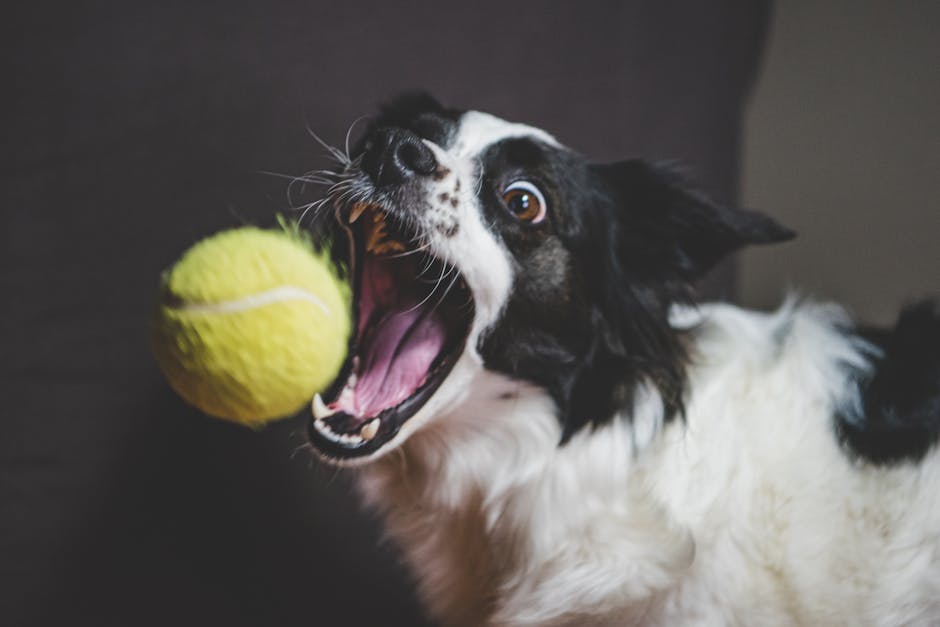
Featured Image Source: Pexels