

Introduction: Why Flat-Faced Dogs Face Deadly Summer Risks
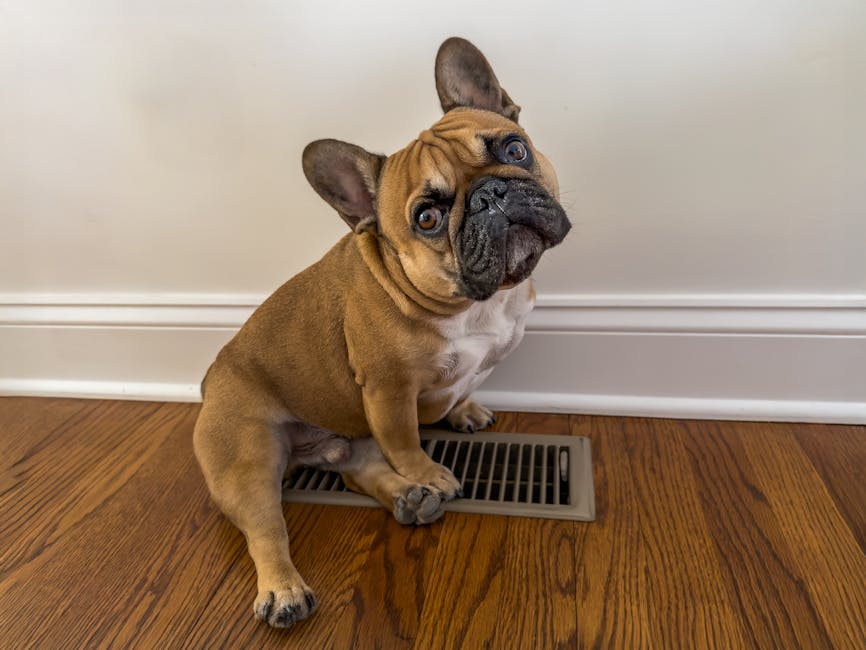
I’ll never forget the panic in my friend’s voice when she called me last July. Her French Bulldog, Mochi, had collapsed after a 15-minute walk. The temperature? Just 75°F. That’s the thing about brachycephalic breeds — the rules that work for other dogs can kill them.
Here’s the number that should scare every flat-faced dog owner: brachycephalic dogs are twice as likely to suffer heat stroke compared to dogs with normal-length snouts. And when you break it down by breed, it gets worse. Chow Chows face a staggering 17x higher risk. Bulldogs? 14x. French Bulldogs sit at 6x, and Pugs at 3x. These aren’t scare tactics — this is data from the Royal Veterinary College’s VetCompass program, tracking millions of dogs.
If you’ve got a Frenchie, Pug, Boston Terrier, English Bulldog, or any other squishy-faced breed, this guide isn’t optional reading. It’s the difference between enjoying summer with your dog and rushing to an emergency vet — or worse. I’m going to walk you through everything from safe temperature thresholds to emergency response steps, because your flat-faced buddy is counting on you to know this stuff.
Section 1: Understanding Brachycephalic Obstructive Airway Syndrome (BOAS)
Let’s talk about why your adorable smooshed-face pup is basically built with a design flaw when it comes to temperature regulation.
Brachycephalic Obstructive Airway Syndrome — BOAS for short — is the medical term for what happens when you breed a dog to have a shortened skull. That cute flat face comes with some seriously compromised plumbing:
- Stenotic nares: Fancy talk for pinched, narrow nostrils that restrict airflow
- Elongated soft palate: The tissue at the back of the throat is too long for the shortened skull, partially blocking the airway
- Hypoplastic trachea: A windpipe that’s narrower than it should be
- Everted laryngeal saccules: Little pouches near the vocal cords that get sucked into the airway
Why Panting Doesn’t Work Like It Should
Dogs don’t sweat like we do. They cool down primarily through panting — rapidly moving air over the moist tissues of their mouth and tongue to evaporate moisture and release heat. It’s surprisingly efficient. For most dogs.
But brachycephalic breeds can’t pant effectively. The narrow airways mean less air moves through with each breath. The elongated soft palate flaps around and blocks airflow. They’re essentially trying to cool a house by blowing through a coffee stirrer instead of a garden hose.
This is why your Frenchie sounds like a freight train when she’s excited. It’s also why a temperature that’s merely “warm” for a Labrador becomes genuinely dangerous for her.
BOAS Severity Matters
Not all flat-faced dogs are affected equally. Some have mild BOAS — maybe just slightly narrowed nostrils — while others have severe cases requiring surgery to breathe comfortably even at rest. If your dog snores loudly, gags frequently, or sounds congested all the time, they’re likely on the more severe end. And that means even more caution in summer.
Section 2: Temperature Thresholds Every Owner Must Know
I used to think heat stroke was something that happened in triple-digit temperatures. Then I learned about brachycephalic breeds, and now I start watching the thermometer when it hits 70°F.
The Numbers That Matter
| Temperature | Risk Level | What To Do |
|---|---|---|
| Below 70°F (21°C) | Generally safe | Normal activity with water access |
| 70-79°F (21-26°C) | Caution | Shorter walks, watch for early signs |
| 80-89°F (27-32°C) | High risk | Limit outdoor time, early/late walks only |
| 90°F+ (32°C+) | Extreme danger | Indoor exercise only, AC essential |
That 70°F threshold surprises people. “But it’s beautiful outside!” Sure, for you. Your dog can’t shed a layer.
Body Temperature Warning Signs
Your dog’s normal body temperature runs between 101-102.5°F. Get a rectal thermometer (I know, nobody’s favorite task) and know how to use it, because these numbers could save your dog’s life:
- 103°F: Time to start active cooling
- 104°F+: Veterinary emergency — call ahead and go now
- 106°F+: Life-threatening territory
- 109°F+: Often fatal, even with treatment
Mochi, my friend’s Frenchie? Her temp hit 106°F by the time they reached the emergency vet. She survived, but she’s got liver damage that’ll require management for life. All from a short walk on a day most people would call “nice.”
Section 3: Risk Factors That Increase Heat Stroke Danger
Not every flat-faced dog carries identical risk. Some factors stack the odds even further against them.
Obesity: The Silent Amplifier
If your Frenchie is carrying extra weight, you’ve essentially wrapped them in an insulating blanket they can’t remove. Fat is an excellent insulator — great for staying warm, terrible for cooling down. Plus, overweight dogs have to work harder just to move, generating more heat with every step.
I’m not here to shame anyone. I know these breeds love treats and have eyes that could convince you to hand over your entire dinner. But getting them to a healthy weight isn’t cosmetic — it’s a heat safety measure.
Age: Both Ends Are Vulnerable
Puppies under a year can’t regulate their body temperature as efficiently as adult dogs. Their systems are still developing. Senior dogs (typically 8+ for these breeds) have declining organ function and often struggle with temperature regulation too.
My 9-year-old Pug mix gets maybe a 5-minute potty walk on warm days. That’s it. He doesn’t like it, but he’s alive to complain about it.
Other Risk Factors
Dark coat colors absorb significantly more heat than light ones. A black French Bulldog in direct sun is essentially wearing a heat-absorbing shirt.
Previous heat stroke episodes damage the body’s thermoregulation system. One episode makes future episodes more likely and more severe.
Heart disease, respiratory conditions, and laryngeal paralysis all compound the already-compromised airways of brachycephalic breeds.
Section 4: Safe Summer Walking Guidelines
Walks are where most heat-related emergencies happen. Here’s how to keep your flat-faced friend safe.
Timing Is Everything
Walk before 7am or after 8pm. I’m serious about those times. The pavement heats up faster than the air temperature suggests, and it holds that heat for hours after the sun’s intensity drops.
During a Texas summer, I shifted my Pug’s walks to 5:30am. Was I thrilled about this? Absolutely not. But it worked.
The Pavement Test
Press the back of your hand against the pavement and hold it there for 7 seconds. If you can’t handle it, neither can your dog’s paw pads. Asphalt can reach 140°F+ when the air temperature is only 90°F. That’s instant burn territory.
Grass, dirt paths, and shaded sidewalks are your friends. Plan your routes around them.
When To Skip Walks Entirely
Above 85°F with humidity? Skip it. Your dog will survive missing a walk. They won’t survive heat stroke.
Signs your walk should end immediately:
- Excessive panting that doesn’t slow when you stop
- Lagging behind or refusing to walk
- Seeking shade constantly
- Drooling more than usual
Duration Limits
| Temperature | Maximum Walk Duration |
|---|---|
| 70-75°F | 20-30 minutes |
| 75-80°F | 10-15 minutes |
| 80-85°F | 5-10 minutes |
| 85°F+ | Potty breaks only |
These are conservative. Your dog might handle more on some days, less on others. When in doubt, cut it short.
Section 5: Essential Cooling Equipment
Some of this stuff genuinely works. Some is gimmicky. Here’s what’s actually worth your money.
Cooling Vests
Evaporative cooling vests are legitimately helpful. You soak them in water, wring them out, and the evaporation pulls heat away from your dog’s body. They work best in dry climates (humidity kills evaporative cooling effectiveness).
The Ruffwear Swamp Cooler is the one I recommend most. It’s pricey at around $50-80 depending on size, but the construction is solid and it actually stays in place on barrel-chested breeds. The cheaper Amazon options I’ve tried either fell apart after a few uses or didn’t hold water well.
Cooling Mats
Pressure-activated gel cooling mats work decently for indoor use. My Pug will park himself on his all afternoon. They don’t require refrigeration or electricity — the gel absorbs body heat and dissipates it.
Don’t expect miracles. They’re not going to drop your dog’s temperature dramatically. But they provide a cool surface option, and most dogs figure out pretty quickly that the mat feels good.
Water Supplies
A collapsible silicone bowl and a water bottle are non-negotiable for any outdoor time. I keep a set clipped to every leash.
Brands like PupFlask or Highwave AutoDogMug let your dog drink directly from a built-in trough. Less fumbling, less spillage.
Life Jackets for Water Activities
If you have a French Bulldog, they cannot swim. Their front-heavy build and short snouts make them sink like fuzzy bricks. Pugs and English Bulldogs aren’t much better.
If you’re anywhere near water — pool, lake, beach — a properly fitted life jacket is mandatory. Not optional. The Outward Hound Granby is a good budget option around $25. For Frenchies specifically, look for styles with extra neck support.
Indoor Cooling
Air conditioning is the gold standard. If you don’t have AC, multiple fans creating cross-ventilation help, but they’re moving hot air around, not creating cold air.
Tile and hardwood floors stay cooler than carpet. You’ll notice your dog seeking these surfaces out on warm days — let them.
Section 6: Hydration Strategies
Dehydrated dogs overheat faster. Keeping your brachycephalic breed well-hydrated is one of the simplest protective measures.
Water Access
Fresh, cool water available 24/7. Not negotiable. On hot days, I add a few ice cubes to the bowl — not enough to make it ice-cold, but enough to keep it cooler longer.
Multiple water stations around your home mean your dog doesn’t have to travel far for a drink. I’ve got bowls in the kitchen, living room, and bedroom.
Frozen Treats
Frozen Kongs stuffed with peanut butter, frozen blueberries, or dog-safe popsicles serve double duty: mental enrichment and cooling from the inside out.
My go-to recipe: plain Greek yogurt, a tablespoon of peanut butter (xylitol-free!), and a few pieces of banana. Freeze in a Kong overnight. Keeps my Pug occupied for 30 minutes and helps him cool down.
Dog-safe popsicle ideas:
- Frozen chicken broth (low sodium)
- Pureed watermelon (no seeds)
- Frozen plain pumpkin puree
Recognizing Dehydration
- Dry, tacky gums (healthy gums should be wet and slippery)
- Skin tenting: pinch the skin on the back of the neck, it should snap back instantly. Slow return = dehydration
- Sunken eyes
- Lethargy
If you suspect dehydration plus overheating, you’ve got an emergency on your hands.
Section 7: Recognizing Heat Stroke Symptoms
This is the section I hope you never need. But you absolutely need to know it.
Early Warning Signs
These are your cues to stop everything and start cooling:
- Heavy, rapid panting that doesn’t slow down when you remove them from heat
- Excessive drooling — more than their usual amount
- Restlessness — can’t seem to settle, pacing
- Seeking cool surfaces obsessively
- Glazed eyes
At this stage, you can often prevent progression by immediately moving to a cool environment and starting gentle cooling.
Progressing Symptoms
Things are getting serious now:
- Bright red or purple tongue and gums
- Vomiting
- Diarrhea (sometimes bloody)
- Staggering, loss of coordination
- Rapid heartbeat
- Disorientation
These require emergency vet care. Don’t wait to see if they improve.
Critical Signs
- Collapse
- Seizures
- Loss of consciousness
- Gums turning gray or blue
- Inability to stand
This is a life-or-death emergency. Act immediately while someone calls the vet to alert them you’re coming.
The Brachycephalic Catch
Here’s what makes flat-faced breeds tricky: they may not show obvious distress cues. They already sound like they’re struggling to breathe on a normal day. By the time symptoms become dramatic, you may already be in the danger zone. Err on the side of caution. Always.
Section 8: Emergency Heat Stroke Response
If your dog is showing heat stroke symptoms, every minute matters. Here’s exactly what to do.
Step 1: Get Out of the Heat
Move to shade immediately. If possible, get into air conditioning — a car with AC blasting, a nearby store, your house. Remove any collars, harnesses, or clothing that might be trapping heat.
Step 2: Apply Cool Water
Cool water, not cold. This matters. Ice water causes blood vessels to constrict, actually trapping heat inside the body. Room temperature or slightly cool water is safer.
Focus on:
- Neck and head
- Armpits
- Groin area
- Paw pads
You can soak towels and lay them on these areas, but replace them frequently — they’ll heat up fast and become counterproductive.
Step 3: Create Airflow
Direct a fan over their wet fur. The evaporation accelerates cooling. If you don’t have a fan, you can fan them manually with anything flat — a magazine, a piece of cardboard.
Step 4: Monitor Temperature
Your goal is to reduce their temperature to 103°F, then stop active cooling. Going lower risks overcorrection and hypothermia.
If you don’t have a thermometer, cool for 5-10 minutes maximum, then transport to the vet.
Step 5: Transport to the Emergency Vet
Even if your dog seems to recover, internal organ damage can occur that isn’t immediately visible. Heat stroke can cause kidney failure, liver damage, and neurological issues that show up hours later.
Call ahead so they’re prepared for your arrival.
What NOT To Do
Never use ice water or ice baths. I know it seems logical. It’s not. It causes shock and paradoxically slows cooling.
Don’t force water into their mouth if they’re disoriented or losing consciousness. They can aspirate it into their lungs.
Don’t leave them unattended “to cool down.” Heat stroke can progress rapidly, and they may collapse while you’re not watching.
Don’t assume they’re fine because they seem to perk up. Vet visit is non-negotiable after a heat stroke episode.
Section 9: Long-Term Summer Management
Getting through one hot day is the immediate challenge. Managing an entire summer requires some strategy.
Weight Management
I’ve said it before, but it bears repeating: a lean brachycephalic dog handles heat better than an overweight one. Talk to your vet about your dog’s ideal weight and work toward it before summer hits.
The slow feeding bowls and puzzle feeders that slow down their inhalation of food also help with portion control. Two birds, one stone.
Indoor Exercise Alternatives
When it’s too hot for walks, mental exercise can tire them out just as effectively. 15 minutes of training games beats 15 minutes of panting on hot pavement.
- Hide and seek with treats around the house
- Puzzle feeders and snuffle mats
- Training sessions — learning new tricks is mentally exhausting
- Tug-of-war in air conditioning (brief sessions, watch for overexertion)
Consider BOAS Surgery
If your dog has severe BOAS symptoms — can’t exercise without extreme respiratory distress, sleeps in odd positions to breathe better, has frequent respiratory infections — surgical correction might be worth discussing with your vet.
The surgery (widening the nostrils, shortening the soft palate) won’t make them into a normal-breathing dog, but it can significantly improve their quality of life and heat tolerance. It’s not cheap, typically running $1,500-3,000+, but for severe cases, it can be life-changing.
Air Quality Matters Too
Smoke from wildfires, high pollen counts, and air pollution all make breathing harder for dogs who already struggle. Check air quality reports and keep brachycephalic dogs inside on poor air quality days, just like you would on hot days.
Summer Survival Quick Reference
Print this out. Stick it on your fridge.
| Situation | Action |
|---|---|
| Air temp 70-79°F | Caution, shorter walks, watch for signs |
| Air temp 80°F+ | Early AM/late PM only, limit to 10 min |
| Air temp 90°F+ | Potty breaks only, no real walks |
| Dog body temp 104°F+ | Emergency — vet immediately |
| Dog body temp 106°F+ | Life-threatening emergency |
| Heavy panting that won’t stop | Move to AC, start cooling, call vet |
| Collapse, seizures, blue gums | Call vet en route, active cooling |
Emergency Vet Contact
Fill this out now, before you need it:
Regular vet: _ Phone: _
Nearest 24-hour emergency vet: _
Address: _
Phone: _
Cooling Kit Checklist
- Portable water bottle and collapsible bowl
- Cooling vest
- Cooling mat for home
- Rectal thermometer
- Fan or battery-powered personal fan
- Life jacket (if near water)
Frequently Asked Questions
Can French Bulldogs go outside in summer at all?
Yes, but you have to be smart about it. Stick to early morning or late evening, keep walks short, and watch closely for any signs of distress. Potty breaks in a shaded yard are fine even on warm days as long as they’re brief. The goal isn’t to lock them indoors for three months — it’s to avoid extended exposure during peak heat.
What’s the best cooling product for brachycephalic dogs?
Honestly? Air conditioning. Nothing beats it. But for outdoor cooling, a quality evaporative cooling vest (like the Ruffwear Swamp Cooler) provides the most noticeable temperature relief. The vest works best in low-humidity climates. If you’re in the humid South, a cooling mat indoors and strict schedule management matter more than any product.
My French Bulldog loves sunbathing. Should I stop him?
You need to manage it, not eliminate it entirely. A few minutes of supervised sunbathing in mild temperatures (under 75°F) is probably fine if they can move to shade when they want to. But don’t let them bake for extended periods, and absolutely intervene when it’s genuinely warm out. Dogs don’t always know what’s good for them.
How do I know if my dog’s BOAS is severe enough to need surgery?
If your dog can’t walk up a flight of stairs without sounding like a broken accordion, can’t play for more than a few minutes without gasping, sleeps with their head elevated or propped on something to breathe easier, or has passed out during exertion — talk to a veterinary surgeon who specializes in brachycephalic breeds. Mild snoring and occasional noisy breathing are typical for these breeds; struggling to breathe during normal activity is not.
Will a kiddie pool help my overheating Frenchie?
Shallow water that’s not too cold can help, but never leave a brachycephalic dog unattended in any amount of water. They can drown in inches of water if they become disoriented or collapse. Use it as supervised cooling, not as a “set it and forget it” solution. And dry their face folds thoroughly afterward — moisture trapped in skin folds breeds infection.
Wrapping Up
Look, I get it. We want our dogs to enjoy summer with us. Beach trips, backyard barbecues, long evening walks — all the good stuff. And with careful management, your flat-faced companion can participate in summer life. Just not the same way a Labrador would.
The breeds we love come with built-in vulnerabilities. That’s not their fault, and it doesn’t make them less wonderful. It just means we have to be their advocates. Learn the signs. Respect the temperature limits. Have a plan for emergencies.
Mochi’s doing okay these days, by the way. She’s got a cooling vest, a strict indoor-until-evening policy, and an owner who learned the hard way that 75°F is plenty hot for a French Bulldog. Don’t wait for your own scare to take this seriously.
Your flat-faced friend is depending on you to keep them safe this summer. You’ve got this.
Featured Image Source: Pexels