

A couple of winters ago, I watched a Whippet owner struggle to get her dog past the front gate. The dog was doing that comedy routine where all four paws lift off the ground in rotation — except it wasn’t funny. Her pads were cracked, there was rock salt stuck between her toes, and she was visibly shivering despite the walk being barely five minutes old. The owner had no idea what was wrong.
That image stuck with me because I’d been that owner once. My first winter with a rescue Staffie, I assumed dogs just… dealt with cold. Fur coat, right? Took me three weeks of shortened walks and a vet visit for cracked pads before I learned that winter dog walking safety isn’t about your comfort — it’s about reading your dog’s breed, size and signals.
So let’s get into what actually matters when temperatures drop.
How Cold Is Too Cold? A UK Temperature Guide by Dog Type
The frustrating answer is: it depends. But there are some reliable thresholds backed by veterinary guidance from the PDSA, Blue Cross and Dogs Trust.
Small, short-coated and senior dogs (the 7°C threshold)
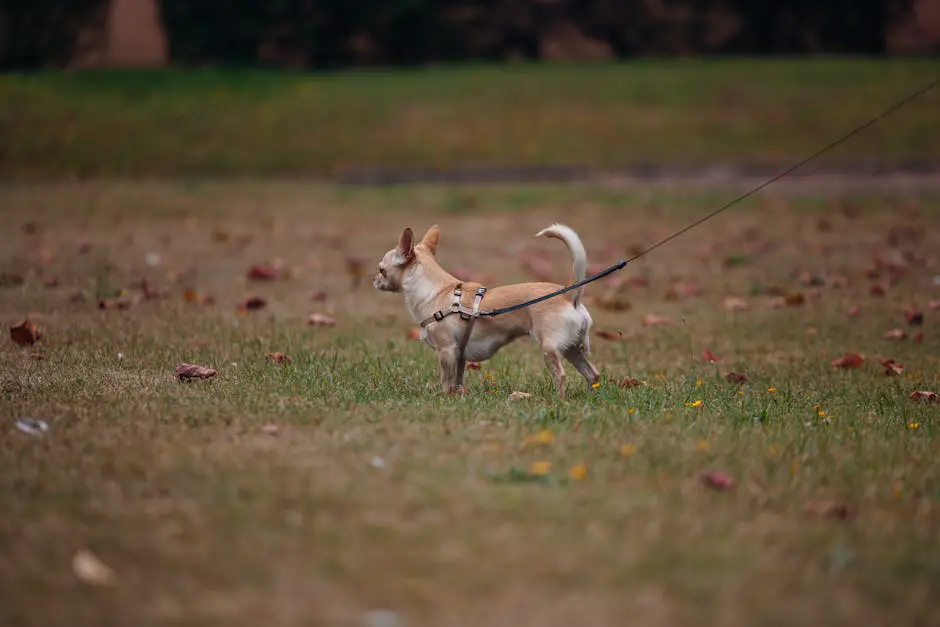
Below 7°C, small dogs (under 10kg), short-coated breeds like Chihuahuas, Miniature Pinschers and smooth-coat Dachshunds, and senior dogs of any breed start feeling the chill in ways that matter. Their bodies lose heat faster than they can produce it.
This doesn’t mean you can’t walk them. It means you need to watch them more carefully, consider a coat, and be ready to cut walks short.
Medium dogs and the freezing point
Most medium-sized dogs with reasonable coats handle temperatures down to freezing (0°C) without too much bother. But once you dip below zero, even Labradors and Spaniels start to feel it — particularly if their coats are wet.
Double-coated breeds that thrive in sub-zero conditions
Huskies, Malamutes, Samoyeds, Newfoundlands, Bernese Mountain Dogs — these breeds were literally designed for cold. A Siberian Husky in -10°C is more comfortable than in a 20°C British summer. I’ve seen Malamute owners have to drag their dogs inside when it snows because the dogs simply don’t want to leave.
If you’ve got one of these breeds, your winter problem isn’t keeping them warm. It’s stopping them overheating when you try to put a coat on them.
Wind chill, wet fur and why the thermometer lies
Here’s what most people get wrong: they check the temperature and think that’s the whole story.
Wind chill can make 5°C feel like -2°C to an exposed dog. Wet fur loses insulation value dramatically — a soaked Spaniel at 4°C is in more danger than a dry one at -1°C. And sleet is the worst of both worlds.
My rule: check the “feels like” temperature on your weather app, not just the actual reading. If there’s precipitation, mentally knock off another few degrees.
Spotting Hypothermia and Frostbite Before They Get Serious
Early shivering, lifted paws and slowing pace
Shivering is your first warning. It’s a dog’s attempt to generate heat through muscle movement, and it means they’re already colder than comfortable.
Lifted paws — that alternating dance of keeping feet off the ground — means the surface is painful. Could be cold, could be salt, could be ice. Either way, your dog’s telling you something.
A sudden slowing pace in a dog that was trotting happily five minutes ago? They’re conserving energy because their body’s getting cold.
Late-stage signs that mean head home now
If shivering stops but you haven’t warmed them up, that’s worse. It means the body’s given up on that particular heat-generation strategy and is shutting down non-essential functions.
Look for:
- Lethargy or reluctance to move
- Weakness or stumbling
- Shallow breathing
- Cold ears and paws (not just cool — actually cold)
- A tucked tail and hunched posture
At this point, you’re not finishing your walk. You’re carrying your dog home.
Frostbite hotspots — ear tips, tail tip, paws, scrotum
Frostbite hits the extremities first. Ear tips and tail tips have poor circulation. Paws are in direct contact with frozen ground. And yes, uncastrated male dogs are at risk in that department — there’s not much fur coverage there.
Early frostbite looks pale or grey. The skin feels cold and hard. As it progresses, you might see swelling, blisters, or skin that looks waxy. By the time it turns black, you’re looking at tissue death.
When a vet visit can’t wait until morning
Call an emergency vet immediately if:
- Your dog has stopped shivering but is still cold
- They’re unresponsive or extremely weak
- You can see discoloured skin (grey, pale, black) on extremities
- Core body temperature (if you can take it) is below 37°C (normal is 38-39°C)
Don’t try to warm frostbitten areas with direct heat — you’ll cause more damage. Wrap them in warm blankets and get moving.
Paw Care: The Hidden Hazards on UK Winter Pavements
Road grit and rock salt — burns, GI upset and licking risk
Councils scatter rock salt mixed with grit across roads and pavements from November onwards. It’s great for preventing human injuries. It’s terrible for dog paws.
Rock salt causes contact dermatitis — essentially chemical burns on the pads. The grit abrades already-cold skin. And here’s the real problem: dogs lick their paws. That salt intake causes vomiting, diarrhoea, excessive thirst and lethargy. In large amounts, it can cause serious sodium poisoning.
Battersea’s guidance is clear: if you’ve walked on treated surfaces, rinse and dry those paws when you get home. Every time.
Ice balls between toe pads and how to prevent them
This one caught me completely off guard with my first long-haired dog. Snow and ice compact between the toes, forming hard balls that spread the pads apart painfully. Dogs will suddenly stop walking, try to bite at their feet, or limp.
Prevention is easier than cure. Trim the fur between the toes short in winter. Apply a thin layer of paw balm or even petroleum jelly before walks — it stops snow adhering as easily. And if you notice your dog suddenly stopping, check between the toes before assuming the worst.
Cracked, dry pads vs cold-weather injury
Dry, cracked pads happen from the combination of cold air, contact with grit, and central heating drying them out when you get home. They look rough, might have visible cracks, but they’re not an emergency.
Cold-weather injury looks different: pale or grey colour, hard texture, swelling. The dog will be reluctant to put weight on the affected paw.
Cracked pads need moisturising with a dog-specific paw balm. Cold injury needs a vet.
Paw balm vs boots vs rinse-and-dry routine
Boots are brilliant in theory. In practice, most dogs hate them. I’ve watched a Labrador high-step like a dressage horse for ten minutes before giving up entirely.
If your dog tolerates boots, they’re the gold standard — complete protection from salt, ice and cold ground. But most dogs don’t.
My approach: paw balm before the walk (thin layer, let it absorb for a minute), then a rinse-and-dry routine after. Keep a shallow tray of lukewarm water by the door, dunk each paw briefly, towel dry. Takes thirty seconds once you’ve got the routine down.
Choosing the Right Coat (and When Not to Bother)
Breeds that genuinely need one
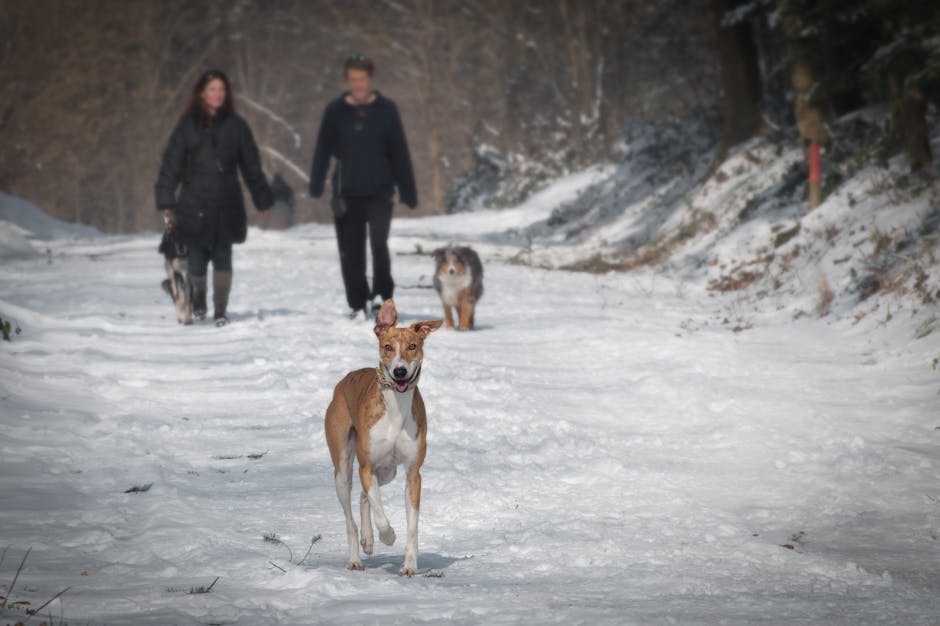
Greyhounds, Whippets, Italian Greyhounds, Lurchers — these dogs have virtually no body fat and thin single coats. They feel the cold before you’ve even noticed it’s chilly. Every sighthound rescue I know of sends dogs home with coats as standard.
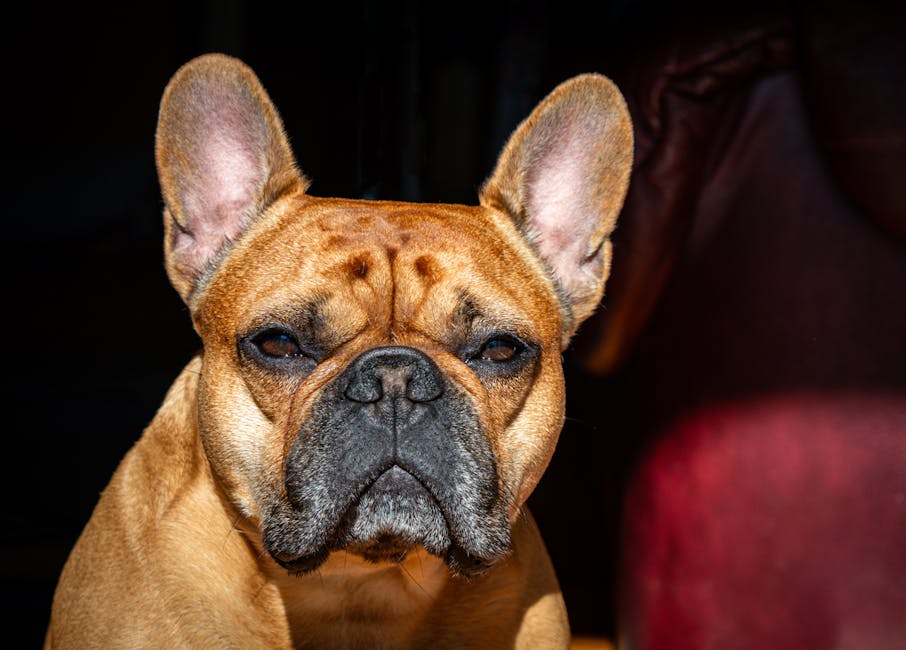
Short-coated Staffies, Boxers, Bulldogs — similarly minimal insulation. And anything that’s been clipped recently loses significant protection.
Senior, ill or recently clipped dogs
Age affects temperature regulation. A 12-year-old Labrador that never needed a coat might need one now. Dogs recovering from surgery or illness have compromised circulation and immune function. And if your groomer’s just given your Poodle a close clip in November, that dog needs coverage.
Breeds that overheat in coats
I’ve seen well-meaning owners put coats on Huskies. The dogs were miserable.
Double-coated breeds — Huskies, Malamutes, Samoyeds, Newfoundlands, Bernese Mountain Dogs, Akitas, Chow Chows — have evolved sophisticated insulation. Adding a coat traps heat they’re actively trying to release. You’ll see panting, reluctance to walk, and attempts to remove the coat.
Don’t put coats on these breeds unless they’re elderly, ill, or you’ve been specifically advised to by a vet.
Waterproof vs insulated vs combined
Waterproof but uninsulated: good for rain but not serious cold. Think autumn rather than January.
Insulated but not waterproof: useless in British winters. It’ll get wet and lose all insulating value.
Combined waterproof and insulated: what you actually need. The outer layer keeps rain, sleet and snow out; the inner layer holds warmth in.
Fit checklist
A coat that doesn’t fit properly is worse than no coat. Gaps let cold air in. Riding fabric creates chafing.
Check:
- No gap at the chest (this is the most common fit problem)
- Belly coverage, especially for dogs that squat low to the ground
- Neck coverage that stays in place when the dog moves
- Room to move freely without restriction at shoulders and hips
- Secure fastenings that won’t come undone mid-walk
Adjusting Your Walking Routine for the Darker, Colder Months
Shorter, more frequent walks
Two 20-minute walks beat one 40-minute slog in cold weather. Your dog gets adequate exercise and toilet breaks without prolonged exposure. This is especially true for small dogs, seniors and short-coated breeds.
I shifted to a 15-15-15 pattern with my old Staffie in winter — morning, lunchtime, evening. She got more total outdoor time than in summer because each stint was manageable.
High-vis gear, lights and reflective leads
You’re walking in the dark at 4pm now. Drivers can’t see you.
What actually works: a light that attaches to your dog’s collar (not just reflective material — active light), a reflective lead, and something high-vis on yourself. The cheap LED clip-on lights from Amazon work fine. The expensive ones also work fine. Just get something.
Reflective vests for dogs look slightly ridiculous but genuinely help. If your dog’s coat is dark, reflective trim isn’t optional.
Off-lead risks in low light
Even familiar walks become risky in darkness. Hazards you’d normally see — frozen ponds, unstable ground, other dogs — become invisible. Your recall timing gets thrown because you can’t see your dog’s body language at distance.
I keep my dogs on-lead in poor visibility unless we’re in a fully fenced area I know well. It’s not worth the risk.
Indoor enrichment when it’s genuinely too cold
There are days when going outside is a bad idea. Below -5°C with wind chill, or in freezing rain, a quick toilet break is enough.
Puzzle feeders, training sessions, hide-and-seek with treats — these tire dogs out mentally without temperature exposure. A 15-minute training session can exhaust a dog more than a 30-minute walk.
Antifreeze: The Winter Killer Most Owners Forget About
Why ethylene glycol is so dangerous
Antifreeze tastes sweet. Dogs actively seek it out. That’s the first problem.
The second problem is the timeline. Ethylene glycol is metabolised into compounds that cause acute kidney failure. Once symptoms appear — often 8-12 hours after ingestion — the kidneys are already shutting down. The treatment window is about 8 hours from ingestion, and it gets less effective with every hour that passes.
Untreated, the mortality rate is extremely high.
Where it leaks
Driveways — that rainbow-sheened puddle near a parked car. Garages. Service station forecourts. Screenwash containers left open. Any spill from radiator maintenance.
The quantity needed to kill a small dog is tiny. A couple of tablespoons of concentrated antifreeze can be fatal.
Symptoms and the emergency vet timeline
Within 30 minutes to 12 hours: vomiting, lethargy, wobbling/drunken gait, excessive thirst and urination.
12-24 hours: apparent recovery (this is deceptive — the poison is still working).
24-72 hours: severe lethargy, loss of appetite, seizures, coma.
If you have any suspicion your dog has ingested antifreeze — even if you only think they might have licked a puddle — call your vet immediately. Don’t wait for symptoms. The treatment (fomepizole or ethanol) works best when given before the ethylene glycol metabolises.
Switching to propylene glycol-based products
Propylene glycol-based antifreeze is significantly less toxic. Still not something you want your dog drinking, but not the acute emergency that ethylene glycol represents.
It costs slightly more. It’s worth it if you’ve got dogs (or cats, or children) around.
Senior and Arthritic Dogs in Cold Weather
Joint stiffness and warm-up walks
Cold makes arthritis worse. Synovial fluid thickens, joints stiffen, movement becomes painful. A senior dog that rockets out the door in summer might take five minutes to limber up in January.
Start walks slowly. Let them set the pace for the first few minutes. Don’t expect the same route or distance you’d cover in warm weather.
I add a joint supplement in winter for my older dogs — glucosamine and chondroitin. No idea if it helps as much as the packaging claims, but it doesn’t hurt, and the dogs seem more mobile.
Heated beds and post-walk drying routines
A heated pet bed or a microwaveable heat pad makes a genuine difference for arthritic dogs. Position it away from draughts, let them warm up slowly after walks.
Dry them thoroughly when you get home — wet fur on an arthritic dog sitting in their bed equals stiffness tomorrow. Pay attention to the belly and chest, not just the back.
Frequently Asked Questions
My dog refuses to go outside when it’s cold. Should I force them?
No. Dogs aren’t stupid. If they’re refusing, they’re uncomfortable. Get a better coat, try boots, or accept that they need shorter exposure and more indoor enrichment.
Can I use human moisturiser on cracked paw pads?
Bad idea. Many contain ingredients that are toxic if licked — and your dog will lick. Use a dog-specific paw balm, or at minimum, plain coconut oil.
How do I know if my dog’s shivering is cold vs excited vs scared?
Context. Cold shivering happens when it’s cold and typically comes with other signs: tucked tail, reluctance to move, curled posture. Excitement shivering happens when they see something exciting, and they’re otherwise alert and engaged. Fear shivering comes with other fear signals like whale eye, panting, or trying to hide. If in doubt, warm them up and see if it stops.
Should I wash my dog’s paws after every single winter walk?
If you’ve walked on treated roads or pavements, yes. The salt and grit build up. If you’ve been entirely on grass or woodland, probably not necessary — just a towel dry for mud.
At what temperature should I cancel the walk entirely?
There’s no universal number because it depends on your dog. But for most dogs, I’d say: below -5°C with wind chill, or any temperature with freezing rain, limit it to toilet breaks only. Double-coated breeds can handle colder. Small, senior and short-coated dogs should probably stay inside below 0°C with wind chill, unless they’re coated and the walk is short.
Featured Image Source: Pexels