
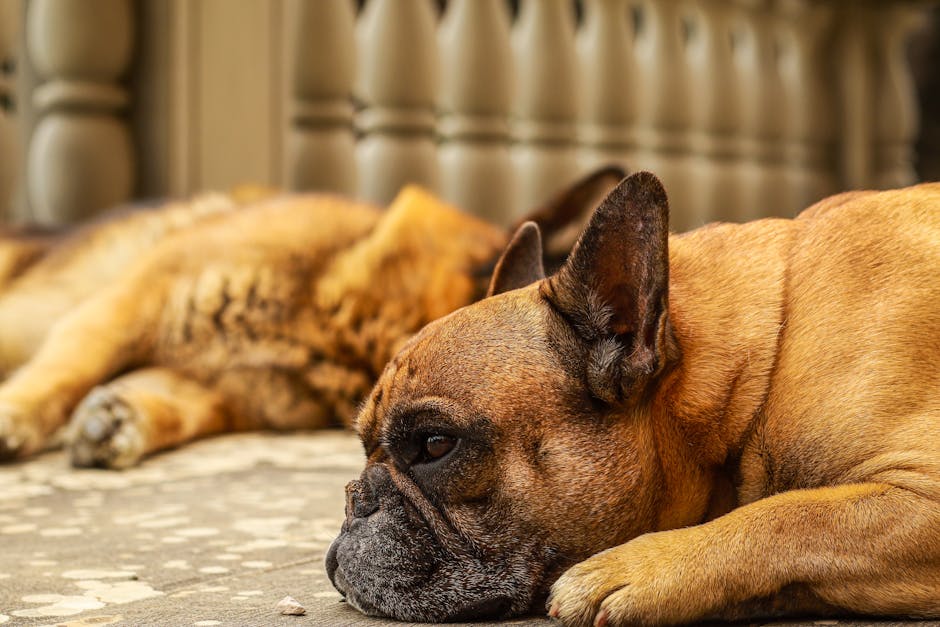

Last summer, I watched my neighbor’s French Bulldog collapse in their backyard after just ten minutes of fetch. The temperature was 78°F — not even that hot by most standards. But for Gus, with his smushed face and compromised airways, it was enough to send him into full heat stroke. He survived, but just barely, and only because his owner knew to act fast.
That experience shook me. I’d owned flat-faced dogs before and thought I understood the risks. But seeing it happen — the panicked panting that somehow got quieter instead of louder, the wobbly legs, the glazed eyes — made me realize how quickly things can go wrong. And how many people with Bulldogs, Pugs, and Frenchies don’t know what they’re dealing with until it’s too late.
If you’ve got a brachycephalic dog, summer isn’t just uncomfortable. It can be deadly.
Understanding Brachycephalic Airway Syndrome
Here’s the thing about flat-faced dogs: their skulls got shorter through breeding, but all the soft tissue inside didn’t get the memo. So you’ve got the same amount of tissue crammed into a much smaller space. It’s like trying to stuff a sleeping bag into a sandwich bag.
Their nostrils are often pinched nearly shut (stenotic nares, if you want the fancy term). The soft palate — that floppy tissue at the back of the throat — is way too long for the space it’s in, so it partially blocks the airway. Some have collapsed or narrowed tracheas on top of everything else.
Why does this matter for heat? Because dogs cool themselves by panting. Air moves rapidly across moist tissues in the mouth and respiratory tract, evaporating moisture and releasing heat. It’s an elegant system — unless your dog physically can’t move air efficiently.
Brachycephalic dogs have to work exponentially harder to move the same amount of air as a normal-muzzled dog. And here’s the cruel irony: that extra effort generates more heat. So they’re simultaneously worse at cooling down AND creating more internal heat trying to do it. It’s a feedback loop that can spiral out of control in minutes.
Breeds at Highest Risk for Heat Stroke
A 2026 study from the Royal Veterinary College crunched the numbers, and they’re stark. Bulldogs are 14 times more likely to suffer heat stroke than Labrador Retrievers. Fourteen times. That’s not a small difference — that’s a different reality.
The highest-risk breeds:
- Chow Chows — 17x higher risk. The combination of flat face and that insanely thick double coat is brutal. I honestly don’t know how anyone keeps Chows in warm climates.
- Bulldogs — 14x higher risk. English Bulldogs especially. Their anatomy is so compromised that some airlines won’t fly them at all.
- French Bulldogs — 6x higher risk. Their popularity has exploded, which means a lot of first-time owners who don’t fully understand what they’ve signed up for.
- Pugs — 3x higher risk. Slightly better than Frenchies, but still very much in the danger zone.
- Cavalier King Charles Spaniels — Often overlooked because they don’t look as flat-faced, but their shortened muzzles still create significant risk.
Double-coated breeds without flat faces are also vulnerable. Golden Retrievers, Huskies, and Malamutes — they’ve got insulation designed for cold climates. In summer heat, they struggle too. But flat-faced plus double-coated? That’s the worst combination.
One stat that haunts me: roughly 1 in 7 dogs who suffer heat stroke don’t survive.
Warning Signs of Heat Stroke in Dogs
This is the section I wish everyone would memorize. Because brachycephalic dogs heat stroke symptoms can escalate terrifyingly fast.
Early Warning Signs
Heavy panting — heavier than normal, and with a frantic quality. Excessive drooling (strings of thick saliva). Restlessness, like they can’t get comfortable. Seeking shade or cool surfaces obsessively. Some dogs will dig at the ground, trying to reach cooler soil.
At this stage, you can probably reverse things with immediate cooling. Get them inside, give them water, and let them rest.
Moderate Signs — Act Now
Gums that look bright red or have turned very pale. Vomiting. Diarrhea (sometimes bloody). Unsteadiness when walking. Excessive thirst. The panting may become less effective — louder, more labored, but somehow moving less air.
This is veterinary emergency territory. Start cooling while you transport.
Severe Signs — Critical Emergency
Collapse. Seizures. Loss of consciousness. Gums that have turned blue or gray. No longer responding to you.
At this point you’re in a race against organ failure. Dogs who reach this stage have maybe a 50/50 chance, even with immediate veterinary intervention.
The critical number to know: 106°F (41°C) body temperature is when organ damage begins. By 109°F, it’s often fatal. Normal dog temperature is around 101-102°F. That margin is a lot smaller than people realize.
Emergency Response: What to Do If Your Dog Overheats
First: Get them out of the heat. Air conditioning, shade — whatever’s closest. Every second matters.
Second: Start cooling, but NOT with ice water. This is where people mess up. Ice water causes blood vessels at the surface to constrict, which actually traps heat in the core. You want cool water — room temperature or slightly cool — applied to the neck, armpits, and groin where blood vessels are close to the surface.
Wet towels work, but only if you keep rewetting them. A wet towel left on too long actually insulates and makes things worse. Running cool water over them continuously is better.
If you have rubbing alcohol, you can apply it to their paw pads — it evaporates faster than water and helps with cooling. But water everywhere else.
Third: Offer water but don’t force it. Let them drink if they want to, but don’t pour water into their mouth. Aspiration is a real risk when they’re already struggling to breathe.
Fourth: Get to a vet, even if they seem better. Heat stroke causes internal damage that isn’t always immediately visible. Kidneys, liver, brain — all can be affected. Your dog might look recovered and still be in serious trouble.
What NOT to do: Don’t submerge them in cold water. Don’t cover them completely in wet towels. Don’t wait to see if they improve on their own. Don’t assume that because they’re still walking, they’re okay.
Prevention Strategies for Summer
Prevention is so much easier than treatment. And honestly, most of it is common sense once you accept that your flat-faced dog isn’t like other dogs.
Exercise Timing
Early morning and late evening only. I’m talking before 7 AM and after 8 PM during peak summer. And even then, keep it short. Five to ten minute walks. If you’re doing any real exercise, make it indoors with air conditioning.
Most people dramatically overestimate how much exercise their brachy dog needs and underestimate how quickly they overheat. I’ve seen Frenchie owners taking midday summer walks because “he needs his exercise.” No. He needs to survive.
The Parked Car Death Trap
You’ve heard this before, but I’m going to say it anyway because people still do it: never, ever leave your dog in a parked car. Not for five minutes. Not with the windows cracked. Not in the shade.
When it’s 70°F outside, the inside of a car hits 90°F within 10 minutes. At 85°F outside, the interior can reach 120°F in under 30 minutes. For a brachycephalic dog, that’s not a maybe-problem — it’s a death sentence.
Weight Management
Here’s something people don’t talk about enough: overweight flat-faced dogs are in dramatically more danger. Extra weight means extra effort to breathe, extra tissue in an already cramped airway, and more mass to cool.
If your Pug or Bulldog is carrying extra pounds, getting them to a healthy weight is the single most impactful thing you can do for their heat safety. And their overall health. And their lifespan. It’s all connected.
Indoor Temperature
Keep your home below 75°F when your brachy dog is inside. Yes, this raises your AC bill. Yes, it’s worth it.
Best Cooling Products for Brachycephalic Dogs
There’s a lot of junk marketed to worried pet owners. Here’s what actually works.
Cooling mats — The gel-based pressure-activated ones are decent. They don’t require refrigeration, and they work by absorbing and dispersing heat. The effect is moderate but real. I keep one in my living room during summer, and my dog gravitates to it on warm days.
Cooling vests — These can be effective, but only if you use them right. They work through evaporation, which means you need to wet them thoroughly and re-wet them every 20-30 minutes. A dry cooling vest is just a regular vest. Some people soak them once and think they’re done — they’re not.
For short outings (vet visits, quick bathroom breaks), a pre-soaked cooling vest can buy you some extra safety margin.
Elevated beds — Underrated. Getting your dog off the floor allows air circulation underneath. It’s not dramatic cooling, but it helps, especially if you’ve got tile or concrete floors that can actually retain heat.
Portable fans and misters — Useful for outdoor spaces like covered patios. The combination of air movement and fine mist creates evaporative cooling. Don’t use a mister without a fan though — you’ll just make them wet and humid.
What I skip: those “cooling bandanas” that you soak in water. Too small an area to make much difference. They’re more psychological comfort for the owner than physical comfort for the dog.
Hot Weather Exercise Alternatives
Your flat-faced dog still needs stimulation. But in summer, that stimulation needs to be mental, not physical.
Mental Exercise Ideas
Puzzle feeders. Snuffle mats. Hide-and-seek with treats around the house. Training sessions in air conditioning — learning new tricks is genuinely tiring for dogs. Frozen Kongs stuffed with peanut butter and banana.
I’ve seen dogs more worn out from 20 minutes of puzzle work than 40 minutes of walking. Mental exercise counts.
About Swimming
Here’s something a lot of people don’t realize: most brachycephalic dogs can’t swim safely. Their heavy front ends and compromised breathing make them sink-prone. Bulldogs especially — they go down like furry anchors.
If you want to do water activities, keep it to wading in very shallow water with constant supervision. Kiddie pools are great — a few inches of water to splash and lie in. But actual swimming? Don’t risk it unless your specific dog has proven they can handle it, and even then, use a life jacket and stay within arm’s reach.
Indoor Options
Some doggy daycares have indoor, air-conditioned play areas. If yours does, that’s a great option for social dogs who need more activity. Just verify they actually keep it cool and understand brachycephalic needs.
Indoor fetch in a long hallway. Gentle tug games. Setting up a mini agility course with household items. There are ways to keep them engaged without heat exposure.
Creating a Summer Safety Plan
Before summer hits, know where your nearest emergency vet is and what their hours are. Save the number in your phone. Know the fastest route.
Keep a thermometer in your dog first aid kit. A rectal thermometer is most accurate, but even an ear thermometer gives you useful information.
Talk to everyone in your household. Make sure your partner, kids, dog walker — everyone — understands that Brachycephalic breeds and summer heat are a serious combination. No midday walks. No car trips without AC. No “just five minutes” in the yard during peak heat.
And honestly? If you live somewhere that regularly hits 95°F+ for months at a time, think hard about whether a flat-faced breed is the right choice for your next dog. I know that’s not what people want to hear. But I’ve seen too many Bulldogs and Frenchies suffer in Phoenix and Houston and Florida because people wanted the breed without considering the climate.
For those of you already committed to your smushed-faced companion: you can absolutely keep them safe. It just takes awareness, preparation, and accepting that summer is a different season for them than it is for other dogs. Treat the heat like the genuine threat it is, and you’ll have many more summers together.
FAQ
How hot is too hot to walk a brachycephalic dog?
If it’s over 75°F, keep walks under 10 minutes. Over 80°F, I’d skip the walk entirely and do bathroom breaks only. And always check the pavement with your hand — if it’s too hot for your palm, it’s too hot for their paws.
Can shaving my double-coated dog help them stay cool?
No — and it can actually make things worse. The double coat provides insulation in both directions, and shaving exposes their skin to sunburn. Regular brushing to remove loose undercoat helps. Shaving doesn’t.
My Frenchie seems fine in the heat. Should I still worry?
Yes. Some dogs don’t show obvious distress until they’re already in trouble. And heat tolerance can decrease with age or weight changes. The fact that they handled last summer okay doesn’t guarantee this summer.
Are brachycephalic dogs more likely to die from heat stroke than other breeds?
The research says yes — about twice the odds compared to average-muzzled dogs. And certain breeds within that category (Bulldogs, Chow Chows) have even higher risk.
Should I get my dog BOAS surgery to help with heat tolerance?
If your vet recommends it, it can genuinely improve quality of life and heat tolerance. Surgery to widen nostrils and shorten the soft palate helps many brachy dogs breathe easier. But it’s not a magic fix — they’ll still be more heat-sensitive than non-brachycephalic breeds. Talk to a veterinary surgeon who specializes in brachycephalic issues.
Featured Image Source: Pexels